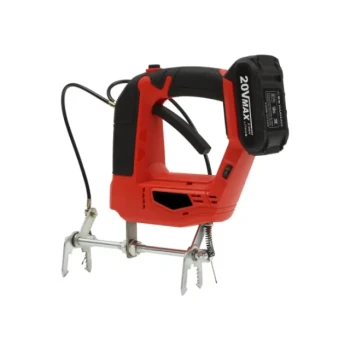
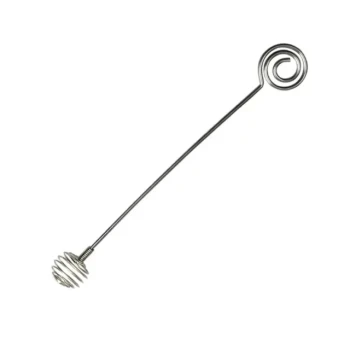
Biological architecture dictates engineering requirements. Stingless bees do not build the standardized vertical combs found in traditional apiaries; instead, they store honey in irregular, independent spherical pots made of cerumen (a mixture of wax and resin). Consequently, commercial production requires specialized puncturing, suction, or pressing equipment to extract honey, as traditional centrifugal extractors cannot navigate this unique geometry without destroying the hive's internal structure.
The shift from vertical frames to specialized pot processing is driven by the need to harvest from irregular cerumen containers without damaging the colony. Specialized equipment allows for the extraction of high-moisture honey while preserving the brood and nest structure, which is critical for maintaining commercial production cycles.
The Physical Constraints of Meliponiculture
The Geometry of Storage
Standard honey bees (Apis mellifera) utilize vertical wax combs that fit neatly into removable frames. These are designed to withstand the high speeds of a centrifugal extractor.
Stingless bees store honey in spherical or oval pots rather than hexagonal cells. These pots are often clustered or stacked, making them incompatible with the spinning mechanism of traditional extractors.
The Cerumen Barrier
The storage pots are constructed from cerumen, a pliable mix of beeswax and plant resins. Unlike pure beeswax combs, cerumen pots cannot simply be uncapped and spun.
To access the honey, the individual pots must be mechanically punctured or pressed. This necessitates equipment designed for precision intervention rather than bulk force.
Commercial Viability and Colony Health
Preserving the Brood Area
In a stingless bee colony, honey pots are frequently located near or around the brood (egg and larvae) area.
Traditional extraction methods would risk crushing the brood, severely setting back the colony's growth. Specialized suction or pressing devices allow harvesters to target only the honey pots, leaving the vital brood structure intact.
The Energy Economy of Harvest
Commercial success depends on the colony's recovery speed. When honey is extracted via destructive methods (crushing the whole nest), the bees must expend massive amounts of biological energy and time rebuilding the pots.
By using negative pressure suction or specialized extractors that preserve the basic structure of the cerumen pots, farmers minimize the repair work required by the bees. This significantly shortens the interval between production cycles, directly increasing annual yield.
Managing Chemical Volatility
Handling High Moisture Content
Stingless bee honey is distinctively fluid, with a water content of approximately 30% to 35%. This makes it chemically unstable and highly susceptible to rapid fermentation compared to standard honey.
Specialized extraction equipment is designed to be closed and hygienic, minimizing exposure to airborne contaminants during the harvesting process.
The Dehydration Necessity
Because of the high moisture levels, extraction is only the first step. Commercial processing almost always requires a secondary phase using specialized dehydrating machines.
These machines use controlled physical processes to reduce moisture levels to approximately 22%. This step is essential to inhibit fermentation, stabilize the unique flavor profile, and extend the shelf life for retail markets.
Understanding the Trade-offs
Equipment Complexity vs. Volume
While specialized equipment ensures colony health, it often requires more manual interaction than traditional methods. Operators may need to manually puncture pots before suction can be applied, which is more labor-intensive than the automated uncapping used in standard apiculture.
Capital Investment
The requirement for niche machinery—such as high-precision filling machines, dehumidifiers, and suction units—raises the initial capital cost for stingless bee farms. However, this investment is necessary to capture the "quality premium" associated with the high market value of medicinal stingless bee honey.
Making the Right Choice for Your Goal
Whether you are scaling a farm or designing a processing line, your equipment choice dictates your long-term viability.
- If your primary focus is Maximizing Yield Frequency: Prioritize high-quality negative pressure suction devices to minimize pot damage, allowing the colony to focus energy on refilling rather than rebuilding.
- If your primary focus is Product Shelf-Life: Invest heavily in post-extraction dehydration and sealing systems to manage the high moisture content and prevent fermentation of this high-value product.
Successful commercialization relies on adapting your technology to the bee's biology, not forcing the bee to adapt to industrial standards.
Summary Table:
| Feature | Traditional Vertical Frames (Apis Mellifera) | Specialized Pot Processing (Stingless Bees) |
|---|---|---|
| Storage Structure | Standardized Hexagonal Vertical Combs | Irregular Spherical/Oval Cerumen Pots |
| Extraction Method | Centrifugal Force (Spinning) | Negative Pressure Suction or Puncturing |
| Colony Impact | Minimal (Combs Reusable) | High Risk if Traditional; Low if Specialized |
| Moisture Management | Generally Stable (≤20% Moisture) | High Moisture (30-35%); Requires Dehydration |
| Key Equipment | Uncapping Knives & Centrifuges | Suction Devices & Vacuum Dehydrators |
Scale Your Stingless Bee Operation with HONESTBEE
Transitioning from traditional beekeeping to commercial stingless bee honey production requires more than just a shift in mindset—it requires precision-engineered technology. HONESTBEE specializes in supporting commercial apiaries and distributors with a comprehensive range of beekeeping tools, specialized machinery, and essential consumables.
From negative pressure suction extractors that preserve your colony's brood to advanced honey-filling and dehydration machines designed for high-moisture stingless bee honey, we provide the hardware necessary to turn biological challenges into commercial success. Whether you are building a processing line or supplying the industry, our portfolio ensures high yields and premium product quality.
Ready to optimize your production?
Contact our experts today to explore our wholesale machinery and equipment solutions
References
- David W. Roubik. Stingless bee nesting biology. DOI: 10.1051/apido:2006026
This article is also based on technical information from HonestBee Knowledge Base .
Related Products
- Professional Stainless Steel Honey Filtering Machine with Water Bath Heating for Beekeeping
- Heavy Duty Stainless Steel Honey Processing Machine Decrystallizing Tank
- High Quality Honey Dehumidifier Dryer Thickening Machine for Beekeeping
- Electric Double Wall Honey Filtering Machine Purifier Equipment for Honey Processing Plant
- Automatic Honey Filling and Filtering Machine for Beekeeping Bottle Filling
People Also Ask
- Why is filtering honey an important step in honey processing? Ensure Purity, Clarity & Marketability
- What is the best way to filter honey? A Guide to Quality, Clarity, and Raw Preservation
- Is it necessary to filter honey after extraction? A Guide to Straining vs. Raw Honey
- Why do people filter honey? For Clarity, Stability, and Consumer Appeal
- What are the benefits of using honey filters? Achieve Purity, Efficiency, and Market Appeal