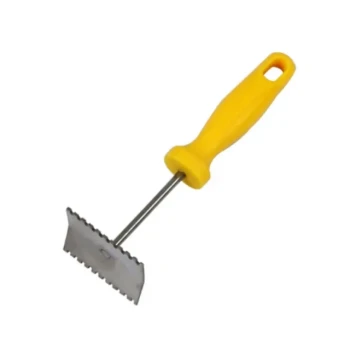
A 4 percent concentration of sodium hydroxide (caustic soda) is specifically required to achieve the chemical strength necessary for deep-seated saponification. At this concentration, the solution possesses the alkalinity needed to thoroughly decompose stubborn organic pollutants, wax-based lesions, and propolis. This ensures that even the most resilient pathogens adhering to the hive walls are exposed and neutralized.
Core Takeaway: Sodium hydroxide at a 4% concentration acts as a dual-purpose agent: it physically dissolves protective fatty layers (wax and propolis) through strong alkaline action and chemically sterilizes the underlying surface against resilient spores, leaving no toxic residue after proper rinsing.
The Mechanics of Deep Decontamination
Breaking Down Organic Barriers
The primary challenge in cleaning beehives is the presence of beeswax, propolis, and fatty residues.
Strong alkaline chemical action is required to dissolve these substances.
A 4% sodium hydroxide solution induces saponification, a process where the alkali converts fats and oils into soap. This reaction effectively strips away the physical layers that often shield pathogens from milder disinfectants.
Exposing Hidden Pathogens
Pathogens and fungal spores often reside deep within the wood grain or under layers of organic debris.
By dissolving the wax and "lesions" on the inner walls, the solution removes the physical carriers of disease.
This exposes the bare surface of the equipment, allowing the disinfectant properties of the solution to reach areas that surface-level washing cannot touch.
Sterilization and Colony Safety
High-pH Disinfection
Sodium hydroxide creates an environment with a pH greater than 12.
This extreme alkalinity is lethal to most biological contaminants, including highly resilient spores such as those causing American Foulbrood.
The 4% concentration ensures that the solution remains potent enough to destroy these resistant bacteria throughout the cleaning process.
Eliminating Chemical Residues
Despite its potency, sodium hydroxide allows for the safe reuse of equipment.
The primary reference confirms that after the hive is rinsed with clean water and exposed to sunlight, the chemical leaves no harmful residues.
This ensures that the health of the honeybee colony is not jeopardized when they are introduced to the cleaned hive.
Understanding the Trade-offs
Handling Risks
Sodium hydroxide is highly caustic and hazardous to human skin and eyes.
You must wear appropriate personal protective equipment (PPE), including heavy gloves and eye protection, when handling a 4% solution.
Material Stress
While effective on wood, strong alkalis can damage other materials.
Metal components (especially aluminum) may corrode if exposed to this concentration.
Necessity of Rinsing
The safety of the bees relies entirely on the post-cleaning process.
If the rinsing and drying steps are rushed, residual alkalinity could remain, potentially harming the bees you intend to protect.
Making the Right Choice for Your Apiary
Ensuring hive hygiene is critical for long-term apiary sustainability.
- If your primary focus is recovering contaminated equipment: Use the full 4% concentration to ensure the destruction of resilient spores like American Foulbrood.
- If your primary focus is routine maintenance: Ensure you thoroughly rinse and sun-dry the equipment to eliminate all chemical traces before repopulating.
Deep chemical cleaning is the definitive line of defense against hive-borne pathogens.
Summary Table:
| Feature | Function & Impact |
|---|---|
| Saponification | Converts beeswax and propolis into soap for easy removal |
| Pathogen Exposure | Strips organic barriers to expose hidden fungal and bacterial spores |
| pH Level | Maintains a pH > 12 to ensure lethal sterilization of resilient pathogens |
| Residue Safety | Leaves no toxic traces after thorough rinsing and sun-drying |
| Risk Management | Requires PPE and careful handling due to its highly caustic nature |
Elevate Your Apiary’s Hygiene Standards with HONESTBEE
Protecting your honeybee colonies from pathogens like American Foulbrood requires professional-grade solutions. At HONESTBEE, we specialize in supporting commercial apiaries and distributors by providing a comprehensive wholesale range of high-performance beekeeping tools, specialized hive-making machinery, and essential consumables.
Whether you are looking to source durable hardware, honey-filling equipment, or hive maintenance supplies, our expertise ensures your operations remain efficient and sustainable. Partner with us to secure the best tools for your business success.
Contact HONESTBEE Today for Custom Wholesale Solutions
References
- V. G. Kashkovsky, А. А. Плахова. Treatment of bee families without drugs, or a zootechnical method of combating diseases of bees. DOI: 10.31677/2072-6724-2021-59-2-115-124
This article is also based on technical information from HonestBee Knowledge Base .
Related Products
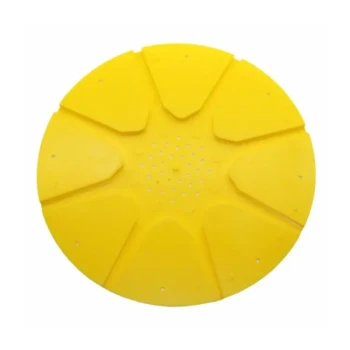
- Efficient Hive Clearing: HONESTBEE 8-Way Plastic Bee Escape
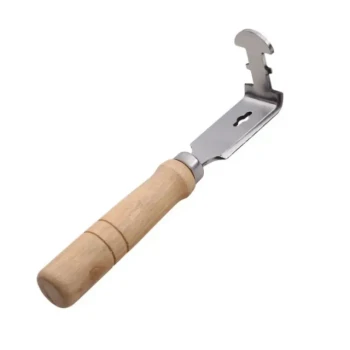
- Precision Stainless Steel Frame Cleaner for Hive Grooves and Corners
- Adjustable Formic and Acetic Acid Dispenser for Bee Mite Treatment
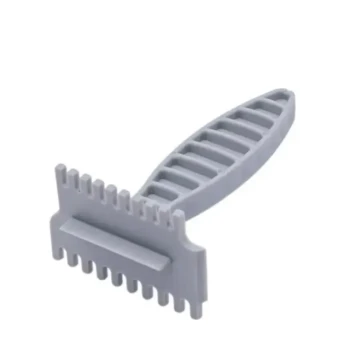
- Lightweight Durable Plastic Queen Excluder Scraper for Beekeeping
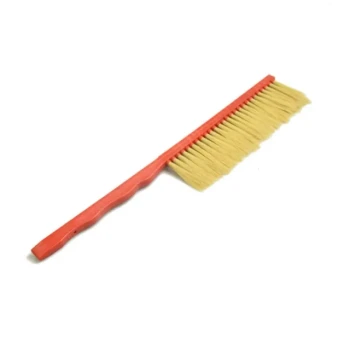
- Plastic Handle Single Row Artificial Fiber Bee Brush
People Also Ask
- How is a bee escape, or clearer board, used to harvest honey from a Langstroth hive? The Stress-Free Harvesting Guide
- What mechanical methods and tools are used to clear bees from honey supers? Efficient Tools for a Smooth Harvest
- What is the result of using a bee escape board for 24 hours? Achieve a Near Bee-Free Honey Super
- What are the different types of bee escape boards? Choose the Right One for a Stress-Free Honey Harvest
- How do bee escape boards and fume boards assist in honey harvesting? Optimize Your Harvest with Low-Stress Tools