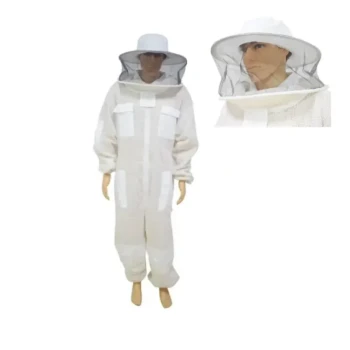
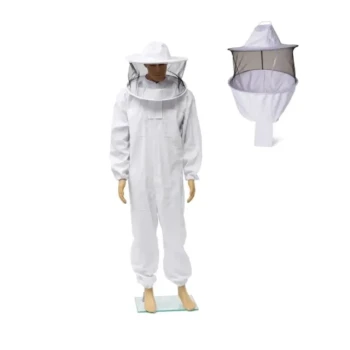
Despite being classified as stingless bees, Tetragona clavipes require researchers to wear full-body protective suits because these insects employ aggressive alternative defense mechanisms. The suit serves as a critical physical barrier against painful bites and irritating secretions, ensuring that researchers can focus on delicate, long-duration tasks without biological interference.
While Tetragona clavipes lack a functional sting, a full-body suit is mandatory to prevent injury from mandibles and chemical secretions. It ensures operational stability and researcher focus during complex colony assessments.
The Reality of "Stingless" Defenses
The term "stingless" often leads to a false sense of security regarding Tetragona clavipes. To understand the necessity of the suit, one must look at how the colony defends itself when a nest is disassembled.
Protection Against Bites
The primary function of the full-body suit is to act as a shield against physical attacks. Even without a stinger, these bees possess mandibles capable of delivering bites that can deter an intruder.
Barrier Against Secretions
Beyond physical biting, these colonies utilize chemical defenses. The protective suit blocks contact with secretions produced by the bees, preventing skin irritation or other biological reactions during close-contact work.
Ensuring Research Integrity
The requirement for a full-body suit is not just about physical safety; it is a prerequisite for gathering accurate data. Successful research relies on the operator's ability to remain steady and focused.
Facilitating Long-Duration Measurements
Nest measurements and colony transfers are time-intensive processes. The suit isolates the researcher from the swarm, allowing them to remain in the environment for extended periods without being forced to retreat due to the intensity of the colony's defense.
Enabling Fine Motor Operations
Research often involves delicate, fine operations that require steady hands. By neutralizing the distraction of bites and environmental disturbances, the suit ensures the operator can manipulate colony components with the necessary precision.
Common Pitfalls to Avoid
When preparing for colony transfer or nest disassembly, it is crucial to recognize the limitations of partial protection.
The Error of Underestimation
A common mistake is assuming that standard beekeeping veils or gloves are sufficient because the species is stingless. This overlooks the cumulative impact of bites and secretions on exposed areas of the body.
Ignoring Environmental Disturbances
The suit does not only protect against the bees; it safeguards against external environmental disturbances mentioned in research protocols. Failing to wear the full suit leaves the operator vulnerable to other biological factors present in the field environment.
Making the Right Choice for Your Goal
To ensure the success of your research and the safety of your team, treat the protective suit as a non-negotiable consumable.
- If your primary focus is colony transfer: Ensure the suit covers the full body to prevent interruptions caused by the colony's defensive biting and secretions.
- If your primary focus is data collection: Utilize the suit to maintain the focus and stability required for fine operations and precise nest measurements.
Comprehensive protection is the only way to transform a defensive swarm into a manageable subject of study.
Summary Table:
| Defense Mechanism | Protective Function of Full-Body Suit |
|---|---|
| Mandible Bites | Provides a thick physical barrier against painful, persistent biting. |
| Chemical Secretions | Prevents skin contact with irritating defensive fluids and pheromones. |
| Swarming Behavior | Allows for long-duration focus and stability during complex colony transfers. |
| Environmental Factors | Shields the researcher from external biological disturbances in the field. |
Secure Your Apiary Operations with HONESTBEE
At HONESTBEE, we understand that professional beekeeping and research require more than just standard gear—they require precision and reliability. Whether you are a commercial apiary or a global distributor, we provide a comprehensive wholesale range of high-performance protective suits, hive-making machinery, and specialized honey-filling equipment designed for maximum efficiency.
From essential consumables to honey-themed cultural merchandise, we empower our partners to handle any colony with confidence. Contact us today to discuss how our premium beekeeping tools and equipment can elevate your professional standards and optimize your workflow.
References
- Raoni Duarte, Ademilson Espencer Egea Soares. Nest Architecture of Tetragona clavipes (Fabricius) (Hymenoptera, Apidae, Meliponini). DOI: 10.13102/sociobiology.v63i2.1019
This article is also based on technical information from HonestBee Knowledge Base .
Related Products
- Premium Cotton Beekeeper Suit with Reinforced Fencing Veil
- Beekeeping Jacket with Hood and Veil for Beekeepers
- White Cotton Beekeeping Jacket and Veil for Bee Keepers
- Professional Beekeeping Suit for Kids and Girls Childrens Bee Keeper Suit
- Premium Three Layer Ventilated Bee Suit with Round Veil
People Also Ask
- What material and design specifications are recommended for a high-quality beekeeper suit? Top Gear Selection Guide
- How to Pre-treat Propolis Stains on Beekeeping Suits? Master Advanced Fabric Care and Soil Removal
- What features should be considered for sting protection in a beekeeping suit? Ensure Total Safety and Comfort
- What are the differences between full suits and jackets with veils in beekeeping? Choose Your Best Protection
- What features should be looked for in a beekeeping suit for maximum comfort? Prioritize Ventilation and Fit