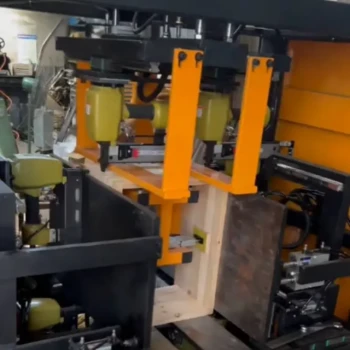
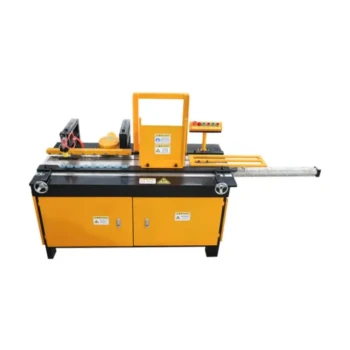
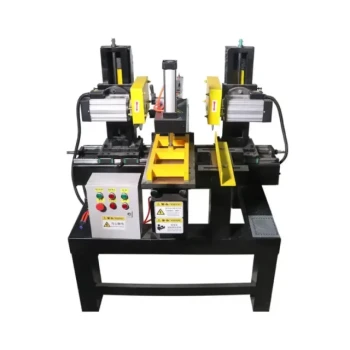
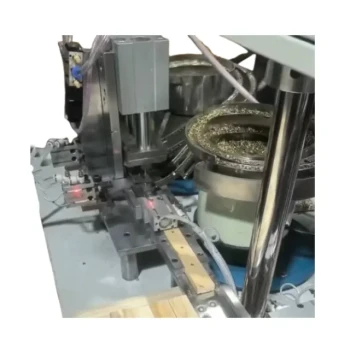
For commercial apiaries operating at scale, automated machinery is the backbone of operational resilience and logistical efficiency. When managing over 100 hives, particularly in nomadic setups, equipment faces constant physical stress; automated manufacturing and repair systems provide the necessary speed to fix damaged components and the precision to maintain structural integrity against environmental threats.
Core Takeaway: Automated machinery shifts beekeeping from a manual craft to a scalable industrial operation. By ensuring rapid repair capabilities and precise standardization, these systems reduce long-term operational costs, facilitate logistics, and protect colonies from invasive pests through superior structural sealing.
Managing the Wear and Tear of Nomadic Beekeeping
Rapid Response to Physical Damage
In commercial operations, hives are frequently moved to follow bloom cycles. This nomadic beekeeping exposes equipment to diverse climatic environments and physical shocks during transport.
Manual repair methods cannot keep pace with the wear and tear generated by over 100 hives. Automated repair equipment allows beekeepers to quickly restore damaged hives or manufacture replacement parts at logistics bases. This speed ensures that colony housing remains functional without operational downtime.
Critical Defense Against Pests
The structural integrity of a beehive is the first line of defense against infestation. Physical damage often creates gaps in the hive body.
Automated machinery restores tight sealing and structural soundness. This is crucial for preventing the invasion of physical pests, specifically the Small Hive Beetle, which exploits structural weaknesses to enter and decimate colonies.
The Operational Value of Standardization
Streamlining Logistics and Migration
For an apiary with hundreds of units, every hive must be identical. Industrial-grade manufacturing ensures precise structural consistency.
This uniformity is essential for modular management. It allows hives to be stacked securely for transport and migrated remotely with minimal risk of collapse or misalignment.
Compatibility with Advanced Processing
Standardization extends beyond the hive box to internal components like frames.
Precise manufacturing ensures compatibility with automated honey extraction machinery. When frames vary in size due to manual assembly, they can jam or damage extraction equipment. Consistent specifications reduce these operational risks and maintenance costs.
Optimizing Biological Conditions
Machine-made hives guarantee accurate "bee space"—the precise gap bees need to work effectively.
High-precision manufacturing ensures these dimensions are consistent, which aids the colony’s natural thermoregulation and ventilation. This promotes better colony health and aligns the physical habitat with honey bee biological characteristics.
Understanding the Trade-offs
Initial Investment vs. Unit Cost
Implementing automated machinery requires a significant upfront capital expenditure compared to manual construction.
However, this serves as a physical foundation for reducing initial apiary construction costs per unit over time. The machinery becomes viable only when the volume of hives allows the lower unit maintenance costs to offset the initial purchase price.
System Lock-in
Automated systems rely on strict dimensional standards.
Once an apiary commits to a specific manufacturing standard, transitioning to a different hive style or dimension becomes operationally difficult. It requires a commitment to a specific system of interchangeability.
Making the Right Choice for Your Goal
To determine if this investment aligns with your current operational phase, consider your primary objectives:
- If your primary focus is Colony Health: Automated manufacturing provides the precision sealing necessary to exclude pests like Small Hive Beetle and optimize thermoregulation.
- If your primary focus is Rapid Expansion: The machinery offers the high-efficiency production capacity needed to multiply colony numbers without being bottlenecked by equipment shortages.
- If your primary focus is Logistics: Standardized output is essential for safe stacking during migration and compatibility with automated extraction lines.
Invest in automation not just to build boxes, but to build a standardized infrastructure that allows your apiary to weather the physical demands of commercial scale.
Summary Table:
| Key Operational Aspect | Manual Methods | Automated Machinery Advantage |
|---|---|---|
| Production Speed | Slow; bottleneck for expansion | High-efficiency; rapid unit multiplication |
| Structural Precision | Variable; prone to gaps | Standardized; ensures "bee space" & sealing |
| Pest Prevention | High risk (Small Hive Beetle entry) | Superior protection via structural integrity |
| Logistics & Transport | Difficult stacking due to variations | Perfect uniformity for nomadic migration |
| Extraction Compatibility | Risk of jams/equipment damage | Seamless integration with extraction lines |
| Long-term Unit Cost | High per-unit labor costs | Lower unit costs at commercial scale |
Elevate Your Beekeeping Operation to Industrial Standards
Transitioning from manual labor to automated efficiency is a critical step for growing commercial apiaries and distributors. At HONESTBEE, we specialize in empowering your business with the high-precision tools needed to thrive at scale. From specialized hive-making and honey-filling machines to a comprehensive range of beekeeping tools and equipment, we provide everything required to reduce operational costs and protect your colonies.
Whether you are managing over 100 hives or supplying the industry as a distributor, our wholesale offerings ensure you have the structural consistency and durability needed for nomadic beekeeping and high-volume honey production.
Ready to optimize your infrastructure? Contact us today to explore our full equipment portfolio and see how we can help you build a more resilient apiary.
References
- Robert E. Gordon, I.J. East. Nomadic beekeeper movements create the potential for widespread disease in the honeybee industry. DOI: 10.1111/avj.12198
This article is also based on technical information from HonestBee Knowledge Base .
Related Products
- Automatic High-Speed Bee Hive Box Stapling Machine
- High-Efficiency Pneumatic Bee Hive Making Machine for Rapid Box Assembly
- HONESTBEE Top Bar & Bottom Bar Forming Machine | Bee Frame Machine
- Mini Desktop Bee Hive Frame Forming Making Machine
- Beehive Handle and Frame Rest Cutting Machine: Your Specialized Hive Machine
People Also Ask
- How is the Bee Box machine adjusted for different box sizes? Maximize Your Woodworking Versatility and Precision
- How is the Bee Box machine operated? Optimize Your Commercial Hive Production with Scalable Staffing Solutions
- How was the Bee Box machine designed? Industrial Engineering for High-Volume Beekeeping Production
- What is the production capacity of the Bee Box machine? Boost Output up to 1,000 Boxes Daily
- What are the power requirements and control system for the Bee Box machine? Optimize Your Apiary Equipment Production