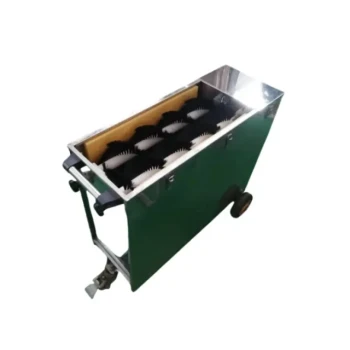
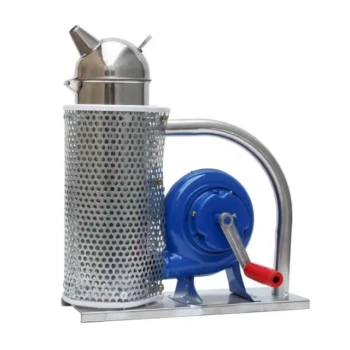
Automated cleaning and disinfection equipment is indispensable for large-scale apiaries because it serves as the only reliable method to eradicate resilient pathogens like foulbrood spores from used frames and hives. By utilizing high-pressure hot water or steam circulation systems, these automated solutions provide a level of sterilization that manual methods cannot achieve, acting as the primary hardware-based safeguard against cross-regional disease transmission.
In dense bee populations, hygiene is not just about cleanliness; it is a bio-security necessity. Automated sterilization breaks the chain of infection for aggressive diseases, ensuring that equipment reuse does not become a vector for colony collapse.
The Bio-Security Challenge in Large-Scale Beekeeping
Eliminating Persistent Pathogens
In large-scale operations, the reuse of hive components is standard practice, but it carries significant risk. Pathogenic microorganisms, specifically foulbrood spores, are notoriously difficult to kill with standard cleaning methods.
Automated equipment utilizes high-pressure hot water or steam circulation to penetrate equipment surfaces. This thermal intensity is required to neutralize these spores effectively, preventing them from infecting new colonies introduced to the equipment.
Preventing Cross-Regional Transmission
When managing high-density bee populations, the risk of disease spreading between hives and across geographic regions increases exponentially.
Automated systems standardize the disinfection process, ensuring every frame and hive body meets a consistent hygiene threshold. This creates a firewall that prevents the cross-regional transmission of bee diseases, protecting the broader ecosystem.
Environmental Stability and Pest Management
Disrupting Pest Lifecycles
Beyond microscopic pathogens, a clean hive environment is critical for controlling larger pests. Automated cleaning, combined with appropriate disinfection products, disrupts the breeding grounds for pests such as wax moths.
By maintaining a dry and clean environment, these systems help prevent the egg-laying cycles that lead to infestation.
Mitigating Fungal and Parasitic Growth
Accumulated waste creates a breeding ground for secondary threats. A standardized cleaning regimen prevents the growth of fungi and parasites that thrive in damp, dirty conditions.
Removing these threats requires a consistent approach to hygiene that is difficult to sustain manually at scale but is easily managed through automation.
Reducing Physiological Stress
Hygiene directly impacts the resilience of the bee colony against external factors. A sanitized environment reduces the secondary physiological stress placed on bees.
When colonies are not fighting off internal filth or pests, they are better equipped to handle drastic weather changes and temperature fluctuations, leading to improved overall survival rates.
Understanding the Trade-offs
Automation vs. Manual Maintenance
While automated equipment excels at sterilizing frames and hive bodies, it does not replace the need for all manual husbandry.
For example, bottom boards still require regular monitoring to clear physical debris and waste. Relying solely on steam sterilization for major components without addressing the physical buildup of debris on bottom boards can still leave the colony vulnerable to fungal growth.
Specificity of Treatment
Automated steam systems are designed for thermal disinfection. They are excellent for spores but must be paired with specific disinfection products to target certain pests or parasites effectively.
Automation provides the mechanism for cleaning, but the strategy must still include integrated pest management practices.
Making the Right Choice for Your Goal
To maximize the health of your apiary, align your cleaning protocols with your specific objectives:
- If your primary focus is Disease Eradication: Invest heavily in high-pressure steam automation to ensure the thermal destruction of foulbrood spores on all recycled frames.
- If your primary focus is Colony Resilience: Combine automated sterilization with a strict schedule of clearing bottom board debris to minimize physiological stress during weather fluctuations.
Automated hygiene is the foundational hardware investment that transforms beekeeping from a game of chance into a managed science.
Summary Table:
| Feature | Manual Cleaning | Automated Disinfection |
|---|---|---|
| Pathogen Target | Surface debris only | Resilient spores (Foulbrood) |
| Method | Scrubbing/Soaking | High-pressure steam/Hot water |
| Consistency | Variable/High labor | Standardized/Repeatable |
| Pest Control | Limited impact | Disrupts lifecycles (Wax moths) |
| Bio-Security | Low protection | High-level regional firewall |
Secure the Future of Your Apiary with HONESTBEE
Protecting large-scale honey production starts with world-class hygiene. HONESTBEE specializes in empowering commercial apiaries and distributors with high-performance automated cleaning systems and professional-grade beekeeping machinery.
Whether you need to scale your operations with hive-making and honey-filling machines or require specialized sterilization hardware to combat foulbrood, we provide the full spectrum of equipment and consumables to ensure your colonies thrive.
Ready to elevate your bio-security and operational efficiency? Contact HONESTBEE Today to explore our wholesale solutions and expert equipment portfolio.
References
- Anastasiya Osokina, Lidiya Kolbina. The ecological and biological characteristics of honey plants of the Udmurt Republic. DOI: 10.32417/1997-4868-2024-24-07-896-908
This article is also based on technical information from HonestBee Knowledge Base .
Related Products
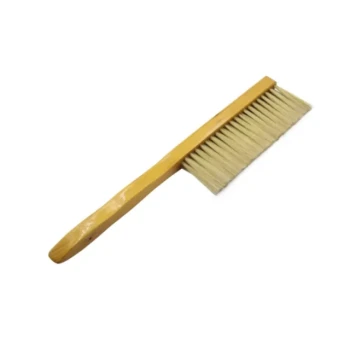
- Wooden Bee Brush with Triple Row Artificial Fiber for Beekeeping
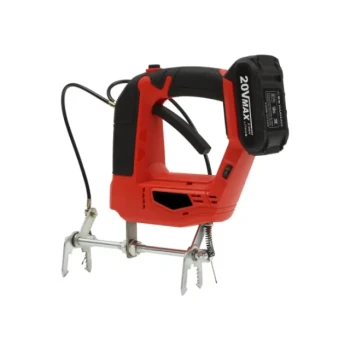
- High Performance Cordless Electric Bee Shaker for Beekeeping
- Double Row Artificial Fiber Bee Brush for Beekeeping
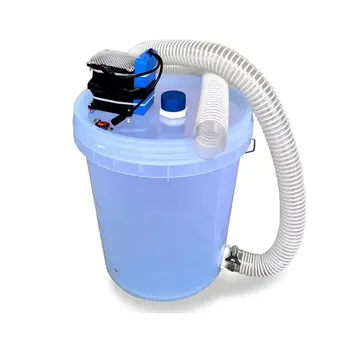
- Portable Electric Bee Vacuum with Lithium Battery and 20L Collection Bucket
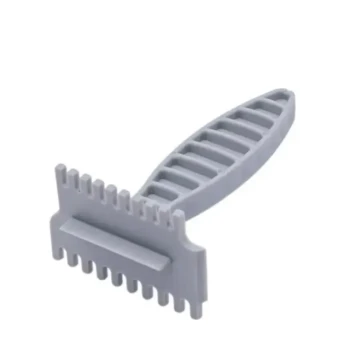
- Lightweight Durable Plastic Queen Excluder Scraper for Beekeeping
People Also Ask
- What is the specific function of a bee brush? Ensure Pure Harvests and Colony Welfare During Honey Extraction
- What are the key characteristics of the bristles on a bee brush? Master Gentle and Efficient Bee Removal
- What is the purpose of using a bee brush during the inspection of hive components? Safe & Precise Hive Management
- What problem does a bee brush solve? Protect Your Colony with Gentle Precision Tools
- Why is a bee brush necessary when extracting honeybee hive frames that contain larvae? Protect Your Brood and Colony