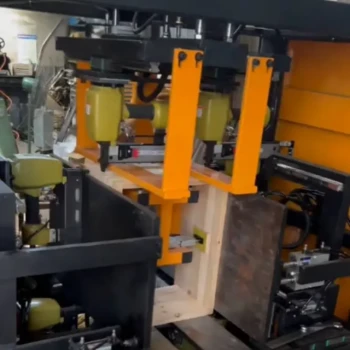
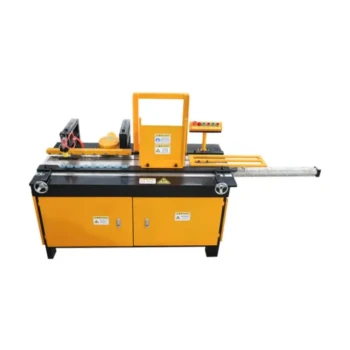
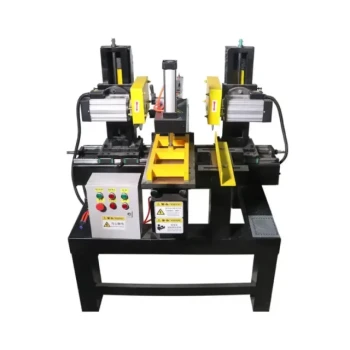
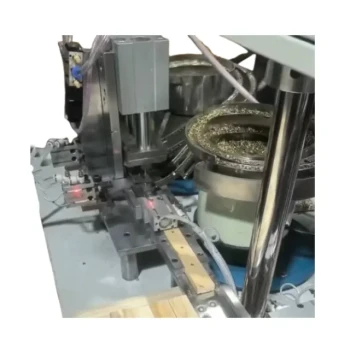
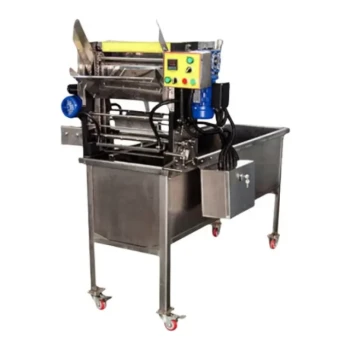
Automated hive-making machinery is the logistical backbone required to support the rapid scaling of managed bee colonies. It goes beyond simple speed; it facilitates the mass production of standardized, structurally sound hives that possess the precise dimensions necessary to maintain colony health and reduce mortality rates during expansion phases.
The Core Insight Rapid growth often leads to a drop in quality control, but automated machinery ensures that increased production volume does not compromise the hive's internal environment. By guaranteeing structural precision and insulation, this technology stabilizes the colony's microclimate, directly preventing the high mortality and absconding rates often associated with poorly constructed housing.
The Critical Role of Standardization
To understand why machinery is essential, you must look at the biological needs of the bee.
Precision of the "Bee Space"
Bees require a specific, scientifically defined amount of space to work efficiently. Supplementary data indicates that standardized hardware ensures this "bee space" is maintained precisely.
Without this precision, colony regulation becomes chaotic. Automated machinery cuts wood to exact specifications, ensuring the internal environment supports efficient brood rearing and honey storage rather than forcing bees to waste energy correcting structural flaws.
Uniformity at Scale
When scaling operations, manual construction inevitably introduces variations. Automated machinery eliminates this variable, providing uniform hives regardless of the production volume.
This uniformity allows for interchangeable parts and consistent management practices. It ensures that every new colony introduced receives a habitat that meets the same high standard of insulation and protection.
Structural Integrity and Microclimate
The physical structure of the hive is the primary defense against environmental stress.
Maintaining Microclimate Stability
According to the primary reference, high-precision woodworking ensures strict structural integrity. This is critical for maintaining a stable microclimate within the nest.
A tight, well-insulated hive allows the colony to regulate temperature and humidity with less energy. This stability is a core factor in reducing mortality rates, particularly when colonies are young or expanding rapidly.
Preventing Environmental Intrusion
Durable, machine-made hardware serves as a stable defensive barrier. It minimizes the impact of external temperature fluctuations and protects the colony from pests or predators.
Reducing Colony Loss
The greatest threat to rapid growth is not the inability to breed bees, but the inability to keep them.
Mitigating Absconding
"Absconding" (colony migration) is frequently triggered by environmental instability caused by inaccurate hive dimensions or poor-quality wood.
Industrial machinery addresses this by ensuring scientifically accurate entrance sizes and precise manufacturing standards. When the hive dimensions are exact, the colony feels secure and is significantly less likely to abandon the hive due to unsuitable conditions.
Lowering Mortality Rates
Structural reliability directly correlates to survival. By reducing the physical stress on the colony through better insulation and weatherproofing, automated manufacturing lowers the overall mortality rate.
Understanding the Trade-offs
While automation solves the volume and precision problem, it is not a standalone solution.
Material Quality Dependency
Precision machining cannot compensate for poor materials. The supplementary data notes that machinery must be combined with high-quality wood treatment to be effective. If the raw lumber is substandard, even a precisely cut hive will eventually fail to provide a stable microclimate.
The Maintenance Factor
Standardized hives are easier to maintain, but they still require human oversight. The machinery produces the shell, but the beekeeper must ensuring the wood remains treated and sealed against the elements to prevent degradation over time.
Making the Right Choice for Your Goal
To leverage this technology effectively, align your equipment choices with your operational objectives.
- If your primary focus is rapid expansion: Prioritize machinery that maximizes production speed while maintaining strict adherence to standardized "bee space" dimensions to ensure interchangeable hardware.
- If your primary focus is colony retention: Focus on the precision capabilities of the machinery to ensure airtight joinery and accurate entrance sizing, which are the key factors in preventing absconding.
Automated manufacturing transforms hive production from a bottleneck into a reliable foundation for sustainable biological growth.
Summary Table:
| Key Benefit | Impact on Managed Bee Colonies | Why Automation is Required |
|---|---|---|
| Bee Space Precision | Enhances brood rearing & honey storage efficiency | Eliminates manual cutting errors for exact dimensions |
| Microclimate Stability | Reduces energy waste and lowers mortality rates | High-precision joinery ensures superior insulation |
| Uniformity at Scale | Allows for interchangeable parts & consistent management | Guarantees identical quality across thousands of units |
| Absconding Prevention | Secures colony retention through stable environments | Maintains scientifically accurate entrance sizes |
| Structural Integrity | Provides a durable barrier against pests & weather | Robust construction through industrial-grade manufacturing |
Scale Your Apiary Operations with HONESTBEE
At HONESTBEE, we understand that rapid expansion requires more than just speed—it requires industrial-grade precision. As a premier partner for commercial apiaries and distributors, we provide the comprehensive wholesale solutions needed to turn production bottlenecks into growth foundations.
From automated hive-making and honey-filling machines to specialized beekeeping tools and essential consumables, our portfolio is designed to enhance your operational efficiency and protect colony health. Let us provide the hardware and machinery that ensure your hives meet the highest standards of the industry.
Ready to upgrade your infrastructure?
Contact HONESTBEE Today to explore our wholesale equipment and specialized machinery tailored for your success.
References
- O. V. Lisohurska, I. P. Ligomina. Inventory of managed honey bee population in Zhytomyr region (Ukraine). DOI: 10.15421/2020_21
This article is also based on technical information from HonestBee Knowledge Base .
Related Products
- Automatic High-Speed Bee Hive Box Stapling Machine
- Automatic Finger Joints Joint Making Machine for Bee Box and Hive Making
- High-Efficiency Pneumatic Bee Hive Making Machine for Rapid Box Assembly
- Mini Desktop Bee Hive Frame Forming Making Machine
- Beehive Handle and Frame Rest Cutting Machine: Your Specialized Hive Machine
People Also Ask
- How is the Bee Box machine adjusted for different box sizes? Maximize Your Woodworking Versatility and Precision
- How is the Bee Box machine operated? Optimize Your Commercial Hive Production with Scalable Staffing Solutions
- How was the Bee Box machine designed? Industrial Engineering for High-Volume Beekeeping Production
- What is the production capacity of the Bee Box machine? Boost Output up to 1,000 Boxes Daily
- What are the power requirements and control system for the Bee Box machine? Optimize Your Apiary Equipment Production