Automatic labeling equipment serves as the definitive compliance backbone for certified regional honey. It guarantees the precise and secure application of official quality logos—such as Protected Designation of Origin (PDO) or Protected Geographical Indication (PGI)—which are non-negotiable for meeting legal obligations and ensuring traceability. Beyond mere adherence to regulations, this technology acts as the primary vehicle for communicating the product's geographical uniqueness and traditional craftsmanship to the consumer.
Core Insight: In the context of certified honey, the label is not just a sticker; it is a legal document and a trust signal. Automatic labeling transforms the product from a raw commodity into a verified commercial asset by ensuring that critical origin data, quality certifications, and traceability markers are applied with the consistency required for formal market entry.
Ensuring Regulatory Compliance and Authenticity
The primary function of automated labeling in this sector is to bridge the gap between artisanal production and strict legal standards.
Precision Application of Quality Marks
For certified regional honey, the presence of specific logos (PDO, PGI) is mandatory. Automatic equipment ensures these high-value markers are applied securely and in the exact designated position on every container. This mechanical precision prevents the "homemade" look that can sometimes undermine the authority of a certified product.
Traceability and Anti-Counterfeiting
Certified honey attracts a premium price, making it a target for fraud. Automated systems facilitate the integration of traceability data, such as batch numbers and production dates, directly onto the packaging. This establishes a verifiable link from the apiary to the consumer, functioning as a critical anti-counterfeiting measure.
Dynamic Data Recording
Advanced labeling systems can record variable physical-chemical indicators in real-time. Information such as moisture content and reducing sugar levels can be printed directly on the label, ensuring every batch complies with regulatory standards like the Federal Inspection Service (SIF).
Communicating Value in a Competitive Market
While compliance allows you to play the game, communication allows you to win it. Automatic labeling turns packaging into a narrative tool.
Establishing Brand Trust
Consumers pay premiums for certified honey because they trust its origin and health benefits. Automated labeling ensures that nutritional facts, health benefits (such as energy enhancement), and allergy warnings are legible and standardized. This clarity directly impacts repeat purchase rates by addressing health and quality concerns upfront.
Enhancing Visual Shelf Appeal
In crowded retail environments, visual consistency is paramount. Machines eliminate the bubbles, creases, and misalignments common in manual labeling. A flawless presentation signals professional quality, helping to justify the higher price point associated with regional certifications.
Operational Efficiency and Market Access
Automation is often the prerequisite for scaling operations and entering formal commercial channels.
Meeting Retail Standards
Formal retail channels and e-commerce platforms have strict specifications regarding packaging uniformity and barcode readability. Automated systems ensure that every unit meets these standardized requirements, removing barriers to entry for large-scale distribution.
Hygiene and Safety
The transition from bulk honey to retail jars introduces contamination risks. Automated labeling and filling systems maintain a barrier between human operators and the product. This preserves the hygienic safety of the honey, ensuring the final product remains pure and uncontaminated.
Understanding the Trade-offs
While the benefits are clear, adopting automatic labeling requires a strategic assessment of your operational reality.
High Initial Investment
The capital expenditure for high-performance labeling systems is significant. For smaller beekeeping operations with low output volume, the ROI may be slow, and the cost might outweigh the efficiency gains in the short term.
Maintenance and Technical Complexity
Unlike manual application, automated systems require regular calibration and maintenance to function correctly. This introduces a need for technical skills or support contracts, adding a layer of operational complexity that must be managed to prevent downtime.
Making the Right Choice for Your Goal
Selecting the right level of automation depends on your specific business objectives within the honey market.
- If your primary focus is Legal Compliance: Prioritize equipment that specializes in the precise, high-security application of PDO/PGI logos to ensure no batch is rejected by inspectors.
- If your primary focus is Retail Expansion: Choose a system that integrates dynamic printing for barcodes and nutritional data to meet the rigid standardization requirements of supermarkets and e-commerce.
By treating labeling equipment as a tool for verification rather than just packaging, you secure both the legal standing and the commercial future of your certified honey.
Summary Table:
| Key Feature | Benefit for Certified Honey | Operational Impact |
|---|---|---|
| Precision Logo Placement | Guarantees PDO/PGI compliance | Avoids legal rejection and manual errors |
| Traceability Integration | Anti-counterfeiting & batch tracking | Enhances consumer trust and safety |
| Dynamic Data Printing | Real-time moisture & sugar level labels | Meets SIF and regulatory standards |
| Visual Consistency | Professional shelf appeal | Justifies premium pricing for regional honey |
| Hygienic Automation | Reduced human contact | Preserves honey purity and safety |
| Retail Standardization | Barcode & nutritional legibility | Enables entry into supermarkets & e-commerce |
Elevate Your Honey Brand with HONESTBEE Professional Solutions
Transitioning from an artisanal producer to a market-leading brand requires equipment that matches your honey's quality. HONESTBEE specializes in supporting commercial apiaries and distributors with high-performance automatic labeling, honey-filling machines, and comprehensive hive-making hardware.
Whether you need to secure PDO/PGI certifications or scale your distribution to global supermarkets, our wholesale equipment ensures your honey meets every regulatory and aesthetic standard. From specialized machinery to essential industry consumables and honey-themed cultural merchandise, we provide the full spectrum of tools to grow your business.
Ready to professionalize your honey production?
Contact HONESTBEE Experts Today
References
- Agnieszka Borowska. Regional honeys in Poland in 2010-2015. DOI: 10.22616/esrd.2018.051
This article is also based on technical information from HonestBee Knowledge Base .
Related Products
- Fully Automatic Honey Filling Packaging Machine for Processing Line
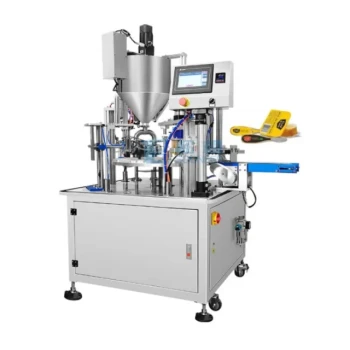
- Precision Automated Packaging Turntable Honey Spoon Filling Sealing Packing Machine
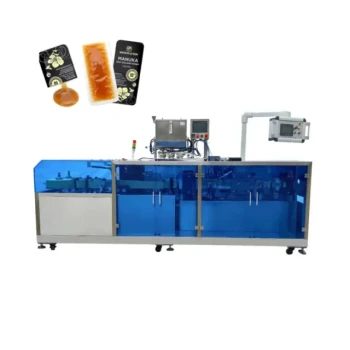
- Automatic Single-Dose Snap & Squeeze Honey Sachets Packing Machine
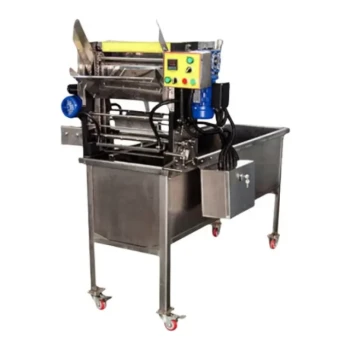
- Automatic Honey Frame Uncapper Machine for Beekeeping
- Automatic Honey Filling and Filtering Machine for Beekeeping Bottle Filling
People Also Ask
- Why are fully automatic honey filling and packaging lines essential? Boost Your Honey's Market Value and Quality
- What is a fully-automatic honey filler? Streamline Your Production with High-Precision Automation
- How do automated honey filling and packaging machines affect profitability? Boost Margins with HONESTBEE Technology
- How do automated honey filling and packaging machines contribute to the market value of honey products? Maximize Your ROI
- How do industrial-grade automated honey filling and packaging machines mitigate the risk of physical contamination?