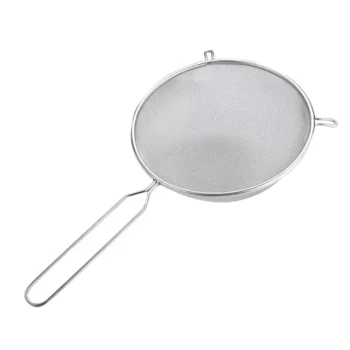
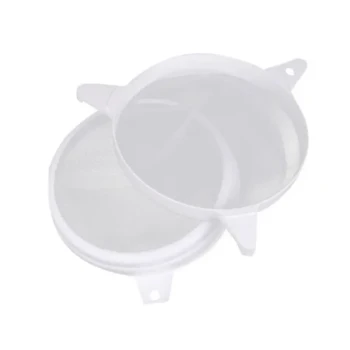
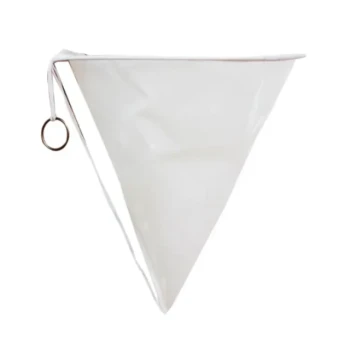
Cheesecloth is the industry-standard medium for the initial physical filtration of raw honey. This critical step removes beeswax fragments, bee remains, and hive debris harvested alongside the honey, ensuring the product achieves the necessary visual clarity and purity for commercial distribution.
Traditional cheesecloth filtration acts as a primary quality control gate, stripping away large physical impurities while meticulously preserving the honey’s natural biological activity and nutritional profile. It is the essential first step in transforming raw hive output into a high-value, market-ready commodity.
The Role of Filtration in Value Preservation
Removing Physical Contaminants
During the harvesting and extraction phases, honey often contains wax rods, larval remains, and bee body fragments. Cheesecloth serves as a fine-mesh barrier that physically traps these insoluble impurities.
By removing these materials immediately after extraction, producers prevent the degradation of sensory quality. This ensures the honey remains free of sediment, which is a primary requirement for premium shelf-stable products.
Protecting Biological and Nutritional Integrity
Unlike heavy industrial processing, cheesecloth filtration is typically calibrated to a pore size of approximately 1mm. This specific gauge is large enough to allow natural pollen grains to pass through while catching larger debris.
Retaining pollen is vital for B2B resellers who market "raw" or "unfiltered" honey styles. This process ensures the honey passes strict quality and nutritional analyses required for high-end health and wellness markets.
Enhancing Commercial Viability and Marketability
Improving Visual Clarity and Consumer Trust
The aesthetic appeal of honey is a significant driver of its market competitiveness. Cheesecloth filtration significantly improves the liquid's transparency and luster.
For distributors, clear honey represents a "clean" product. High visual purity reduces the risk of quality downgrades during inspections and increases the perceived value for the end consumer.
Streamlining Downstream Processing
In a professional supply chain, preliminary filtration prevents operational bottlenecks. By removing large wax fragments early, producers ensure that impurities do not clog specialized machinery or mouthparts in downstream applications.
Whether the honey is destined for bottling, centrifugation, or use as a supplemental feed, cheesecloth pretreatment ensures a smooth transition through the production line. This efficiency is critical for maintaining the rapid response times and fast delivery schedules expected in global trading.
Understanding the Trade-offs
Gravity vs. Pressure Filtration
Traditional cheesecloth filtration often relies on gravity, which is gentle and preserves the honey's delicate enzymes. However, this method can be slower than mechanical pressure filtration.
Wholesalers must balance the need for biological integrity with the necessity of high-volume throughput. While gravity is superior for "raw" branding, pressurized systems are often used when ultra-fast order fulfillment is the priority.
Material Hygiene and Single-Use Risks
The quality of the filter cloth itself is a variable that can impact the final product. Low-grade fabrics may shed fibers, which constitutes a secondary contaminant.
To maintain a premium trading reputation, it is essential to source honey from producers using food-grade, lint-free filtration materials. Ensuring rigorous sanitation of these cloths is the only way to avoid microbial risks that could compromise an entire batch.
How to Leverage Filtration Standards for Your Business
Applying This to Your Sourcing Strategy
- If your primary focus is High-End Retail: Prioritize suppliers using fine-mesh cheesecloth that maximizes clarity while guaranteeing the retention of natural pollen.
- If your primary focus is Industrial Food Manufacturing: Seek partners who utilize high-speed, multi-stage filtration to ensure zero sediment and maximum consistency for large-scale production.
- If your primary focus is "Raw/Organic" Certification: Verify that the preliminary processing does not involve excessive heat or ultra-fine filters that strip the honey of its biological markers.
Understanding these technical nuances allows you to offer your clients a more transparent, professional, and high-quality honey portfolio.
Summary Table:
| Feature | Purpose in Processing | Impact on Commercial Value |
|---|---|---|
| Physical Filtration | Removes wax, bee fragments, and hive debris | Ensures high visual clarity and consumer trust |
| Pore Size (~1mm) | Traps large solids while allowing pollen passage | Maintains "Raw Honey" status and nutritional profile |
| Sediment Control | Prevents particulate buildup in storage | Reduces quality downgrades during professional inspection |
| Operational Flow | Protects downstream bottling/filling machinery | Streamlines production and reduces equipment downtime |
Partner with HONESTBEE for Scalable Honey Production Solutions
Are you a distributor or commercial apiary looking to optimize your processing and maximize profit margins? HONESTBEE provides the industry-leading tools and machinery you need to maintain the purity and value of your honey products. From high-precision honey-filling machines and hive-making hardware to essential industry consumables, we offer a comprehensive one-stop sourcing experience tailored for the B2B market.
Why choose HONESTBEE?
- Deep Industry Expertise: We understand the technical nuances of honey processing to ensure your products meet global standards.
- Rapid Fulfillment: Benefit from our ultra-fast delivery and efficient order processing to keep your supply chain moving.
- Full-Spectrum Portfolio: Access everything from specialized machinery to honey-themed cultural merchandise.
Elevate your sourcing strategy today. Contact HONESTBEE via our Inquiry Form to discuss your wholesale needs and experience our exceptional customer service.
References
- Neha Choudhary, Shudh Kirti Dolma. Comparative analysis of physicochemical properties of traditional honey from Apis mellifera and Apis dorsata with commercial honey in Nagrota Bagwan, Himachal Pradesh. DOI: 10.22271/j.ento.2024.v12.i6c.9428
This article is also based on technical information from HonestBee Knowledge Base .
Related Products
- Nylon Honey Strainer Square Filter Cloth for Honey Filters
- Conical Nylon Honey Strainer Filter Bag for Beekeeping and Honey Filtration
- Professional Stainless Steel Honey Filter with Support Handle
- Electric Double Wall Honey Filtering Machine Purifier Equipment for Honey Processing Plant
- Honey Concentrating and Filtering Dehumidifier Machine 2T Capacity for Honey
People Also Ask
- What is the significance of using professional filter cloths or sieves in honey processing? Ensure Purity and Quality
- What is the simple straining method for processing honey? A Cost-Effective Guide to Pure Extraction
- What cloth for straining honey? The Best Materials for Clean, High-Quality Honey
- What size mesh to strain honey? A Guide to the Standard Double-Sieve Method
- Why is specialized filter cloth preferred over the traditional squeezing method for wild honey? Achieve Higher Purity