Climate-adapted beehive housing is essential because desert nectar flows create a demanding combination of high foraging pressure and severe environmental stress. Hot temperatures, dry air, and strong winds can disrupt the colony’s internal temperature and humidity balance, forcing bees to spend energy on regulation instead of foraging, brood care, and honey storage. Properly insulated and structurally stable hive equipment helps preserve colony strength, support brood development, and protect honey yield during the flow.
Desert nectar flows can provide abundant production opportunities, but only colonies with a stable internal microclimate can consistently convert those opportunities into honey. Climate-adapted housing preserves the energy, population, and brood quality required for productive foraging.
Why Desert Nectar Flows Strain Honey Bee Colonies
Foraging Demand Increases Rapidly
During a strong nectar flow, worker bees must collect nectar and pollen intensively while other bees process nectar, feed brood, defend the entrance, and regulate the hive environment.
The colony’s production capacity therefore depends on more than available flowers. It depends on whether the hive can support a large, active workforce without excessive environmental stress.
Desert Weather Increases Energy Costs
High heat and low humidity make internal temperature and moisture regulation more difficult. Wind can further destabilize hive conditions and place additional physical stress on exposed equipment.
When housing performs poorly, bees may devote more labor to cooling, ventilation, and defense. That reduces the workforce available for nectar collection and colony expansion.
Brood Development Depends on Stability
The queen’s laying rate and the survival of eggs and larvae depend on a sufficiently stable internal microclimate.
A well-designed hive helps maintain the physical conditions required for continuous brood development. This allows the colony to sustain or increase its population as the nectar flow progresses.
How Climate-Adapted Housing Protects Colony Strength
Thermal Insulation Conserves Colony Energy
High-quality insulation reduces the impact of external heat on the hive interior. By limiting rapid temperature changes, it helps bees maintain suitable conditions with less intensive cooling behavior.
The energy saved can support brood care, comb work, nectar processing, and foraging activity instead.
Structural Stability Protects the Hive Environment
Desert apiaries may face strong winds, dust, and demanding field conditions. Secure hive bodies, properly fitted components, and reliable hardware help prevent movement, gaps, or damage that can expose the colony to weather stress.
Stable housing also reduces disruption during inspections, transport, and routine management.
Precise Component Fit Supports the Microclimate
Accurate manufacturing matters because poorly fitting hive components can create unwanted air leakage and structural weaknesses.
Brood boxes, supers, frames, foundation sheets, queen excluders, straps, and fasteners must work together as a dependable system. Consistent fit improves equipment reliability and gives beekeepers greater control over the colony’s environment.
Ventilation Must Complement Insulation
Insulation alone is not sufficient. The hive also needs appropriate ventilation to help manage heat and humidity without creating excessive drafts or exposing the colony to wind.
Climate-adapted housing should therefore balance thermal protection, airflow, access, and structural security.
How Colony Strength Influences Honey Yield
A Larger Workforce Increases Foraging Capacity
Strong colonies contain more worker bees available for field collection and hive-based tasks. This directly affects how efficiently the colony can exploit a short or intense desert flowering period.
Maintaining colony strength before and during the flow is therefore central to maximizing honey production per hive.
Brood Continuity Sustains Production
A stable brood-rearing environment helps maintain a pipeline of developing workers. This supports the replacement and expansion of the foraging population as older workers complete their field activity.
Without adequate brood development, the colony may enter the nectar flow with insufficient labor capacity or decline before the flowering period ends.
Stable Housing Supports Multiple Harvests
Scientific colony management can help beekeepers maintain productive colonies across the flowering period. Reliable housing provides the physical foundation for that management by protecting the colony from avoidable thermal and structural stress.
When population strength is preserved, the apiary is better positioned to support repeated harvests where local flowering conditions allow.
Equipment That Complements Climate-Adapted Housing
Brood Boxes and Frames
Brood boxes provide the space required for colony expansion, while frames and foundation sheets support organized comb construction and brood development.
Their dimensions and fit should be consistent so that inspections, manipulation, and replacement can be performed efficiently.
Supers and Queen Excluders
Supers provide additional storage space when nectar intake increases. Queen excluders can help manage the separation between brood areas and honey-storage areas when used appropriately within the beekeeper’s management system.
These components are most effective when the hive remains stable and the colony has sufficient population to occupy and defend the available space.
Straps and Fasteners
Secure straps and fasteners help keep hive components aligned during windy conditions and field handling.
This hardware is a practical part of climate adaptation because equipment movement can compromise insulation, ventilation, and colony security.
Feeding Equipment
Feeding equipment allows beekeepers to provide measured syrup or pollen substitutes when natural resources are temporarily insufficient.
Supplemental feeding is not a substitute for nectar flow management, but it can help prevent colony decline before the flow and preserve the brood-rearing drive needed to build a productive workforce.
Understanding the Trade-offs
Insulation Does Not Replace Management
A well-insulated hive cannot correct weak colony genetics, inadequate nutrition, poor pest control, or poor timing. Housing reduces environmental strain, but colony strength still depends on coordinated management throughout the year.
Beekeepers must combine suitable equipment with nutrition planning, brood assessment, disease and parasite monitoring, and appropriate supering practices.
Excessive Sealing Can Create Problems
A hive that is sealed too tightly may restrict necessary airflow and allow humidity or heat to accumulate. Climate adaptation requires balance rather than maximum insulation in every situation.
Equipment selection should account for local temperatures, wind exposure, ventilation design, hive orientation, and apiary placement.
Higher-Quality Equipment Has a Procurement Cost
Premium woodenware, precision-fitted components, insulation features, and durable hardware may cost more initially than basic alternatives.
The relevant business question is total operating value: equipment that lasts longer, reduces replacement needs, improves handling efficiency, and helps protect productive colonies may justify a higher purchase price.
Standardization Matters for Commercial Apiaries
Mixed dimensions, inconsistent component quality, and unreliable availability complicate maintenance and slow down field operations.
For distributors, wholesalers, and B2B resellers, a full-spectrum product portfolio and dependable fulfillment are important because customers often need complete, compatible hive systems rather than isolated components.
Making the Right Choice for Your Goal
Climate-adapted housing should be selected as part of an integrated equipment and supply strategy.
- If your primary focus is colony strength: Prioritize precise-fitting hive components, balanced insulation and ventilation, secure hardware, and equipment that supports continuous brood development.
- If your primary focus is honey yield: Choose housing that conserves colony energy and pair it with sufficient brood space, supers, frames, and timely colony management during the nectar flow.
- If your primary focus is apiary reliability: Standardize compatible woodenware and hardware, use durable field-securement equipment, and maintain access to feeding supplies for periods of nectar scarcity.
- If your primary focus is commercial sourcing: Work with a supplier that can provide a complete product range, rapid response, technical expertise, dedicated service, and efficient order fulfillment.
- If your primary focus is sustainable profitability: Evaluate equipment by its effect on colony survival, usable service life, labor efficiency, and consistent production rather than by initial price alone.
The right hive housing gives desert colonies the stable foundation they need to turn a difficult nectar flow into dependable production.
Summary Table:
| Benefit | How It Helps | Impact on Colony Strength & Honey Yield |
|---|---|---|
| Thermal Insulation | Reduces heat stress and energy loss | Bees conserve energy for foraging and brood care; stronger colonies |
| Structural Stability | Prevents wind damage and gaps | Maintains internal environment; reduces disruption |
| Precise Component Fit | Ensures airtight, reliable assembly | Supports ventilation and temperature control; improves management efficiency |
| Balanced Ventilation | Manages heat and humidity without drafts | Prevents overheating and humidity buildup; stable microclimate |
| Brood Continuity Support | Sustains stable brood development | Maintains worker population; increases foraging capacity |
Ready to optimize your desert apiary with climate-adapted beekeeping equipment? At HONESTBEE, we provide a full spectrum of bee hives, tools, and machinery designed for demanding conditions. Our one-stop sourcing ensures quick delivery and reliable supply for commercial apiaries and distributors. Maximize your honey yield and colony health – contact us today to discuss your needs with our experts.
Related Products
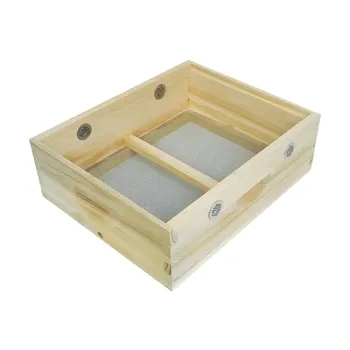
- Professional Beekeeping Quilt Box with Multi Vent Moisture Control
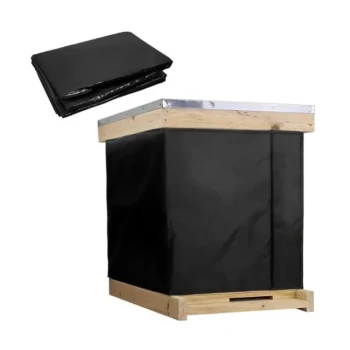
- Professional Insulated Winter Hive Wrap for Beekeeping
- Ergonomic Two Person Foldable Hive Lifter
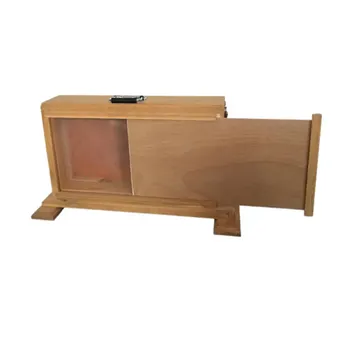
- Professional Reversible Beehive Hive Entrance
- Heavy-Duty Stainless Steel Clip-On Frame Perch
People Also Ask
- What moisture control accessories and techniques can be used to prevent excess humidity inside beehives? Discover top solutions
- What are the production benefits of transitioning from traditional beehives to modern box hives in apiculture management? Boost Yields and Efficiency
- How should different hive box sizes be configured within a beekeeping hive system to optimize brood rearing and honey harvest? Optimize with Our Wholesale Hive Components
- What operational advantages does deploying multiple hive boxes provide? Boost Apiary Monitoring & Colony Management
- What role does moisture play in a honey bee colony during winter? Essential for Survival, But a Deadly Threat if Mismanaged