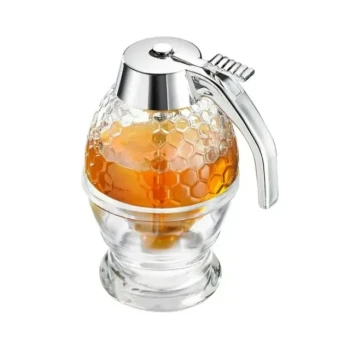
Filtering is the pivotal processing step that bridges the gap between raw hive extraction and a stable, consumable product. It is essential because honey straight from the hive is naturally laden with physical impurities, including wax particles, bee fragments, and debris. Removing these contaminants is strictly necessary to ensure the honey is visually clear, palatable, and safe for long-term storage.
By eliminating physical contaminants and potential crystallization triggers, filtration transforms raw honey from a variable agricultural output into a consistent, high-value commercial good.
Enhancing Physical Purity and Sensory Quality
Removing Hive Debris
Raw honey contains unavoidable byproducts from the extraction process. Filtration physically removes wax residue, bee body fragments, and other foreign debris that fall into the honey during harvest.
Improving Clarity and Appearance
Unfiltered honey often appears cloudy or dirty due to suspended particles. Filtration enhances the visual clarity of the product, making it look cleaner and more appetizing.
Optimizing Flavor
Impurities are not just visual defects; they can negatively impact the tasting experience. By removing non-honey matter, filtration ensures the consumer tastes only the pure honey profile, devoid of waxy or foreign textures.
Optimizing Stability and Shelf Life
Delaying Crystallization
Honey naturally forms sugar crystals over time, leading to a gritty texture and solidification. Suspended particles in raw honey act as "nucleation sites" where these crystals begin to form.
Removing Crystallization Triggers
A filtering machine helps keep honey liquid for longer by removing the crystals or particles that cause cloudiness. This is critical for maintaining a shelf-stable product that remains liquid and attractive in retail packaging.
Ensuring Hygienic Consistency
Filtration serves as a final quality control measure. It eliminates impurities that could harbor bacteria or degrade the honey, ensuring the final product meets strict food safety standards.
Meeting Commercial Standards
Satisfying Market Definitions
For commercial beekeepers, filtration is not optional. It is a standard procedure required to meet the quality definitions set by wholesalers and processors.
Ensuring Market Eligibility
Honey that retains visible debris is often rejected by buyers. Filtration directly determines the market eligibility of the batch, transforming it into a high-value good suitable for retail machinery and bottling.
Efficiency in Scaling
While manual filtration works for hobbyists, large-scale operations rely on filtering machines. These machines handle significant volumes quickly, making the process cost-effective and efficient compared to manual labor.
Understanding the Trade-offs
Equipment Costs vs. Efficiency
While filtration is necessary for quality, achieving it at scale requires investment. Manual filtration is low-cost but labor-intensive and risks bottlenecks; mechanical filtration requires capital but offers strict volume control and speed.
The Balance of "Cleanliness"
Filtration equipment uses specific pore sizes to remove debris. Operators must select the correct pore size to remove large pollen grains and unwanted matter without stripping the honey of its essential character or slowing the flow rate excessively.
Making the Right Choice for Your Goal
Filtration strategies should align with your end-market requirements and production volume.
- If your primary focus is Commercial Sales: Prioritize mechanical filtration to meet wholesaler hygiene standards and ensure high throughput.
- If your primary focus is Shelf Appeal: Ensure your filtration process specifically targets fine particles and early crystals to prevent cloudiness and improve clarity.
- If your primary focus is Process Efficiency: Utilize automated honey filtering machines to reduce manual handling risks and increase overall production turnover.
Filtration is the defining step that protects the integrity of the harvest while ensuring the safety and satisfaction of the consumer.
Summary Table:
| Benefit Category | Key Advantages | Impact on Quality |
|---|---|---|
| Physical Purity | Removes wax, bee fragments, and debris | Increases visual clarity and sensory appeal |
| Stability | Eliminates nucleation sites (crystals/particles) | Delays crystallization and extends liquid shelf life |
| Safety | Final hygiene control and contaminant removal | Meets strict food safety and market standards |
| Commercial Value | Standardizes product for wholesalers | Ensures market eligibility and higher retail value |
| Efficiency | Mechanical filtration for high throughput | Reduces labor costs and increases production speed |
Elevate Your Honey Production with HONESTBEE Professional Solutions
Transitioning from raw hive extraction to a premium, market-ready product requires the right technology. HONESTBEE specializes in supporting commercial apiaries and distributors with high-performance beekeeping tools and industrial machinery.
Our comprehensive wholesale range includes:
- Advanced Honey Filtering & Filling Machines: Achieve perfect clarity and efficient bottling at scale.
- Specialized Hardware: From durable hive-making equipment to essential industry consumables.
- Global Distribution: We provide the full spectrum of tools needed to maintain a competitive beekeeping business.
Ready to optimize your processing efficiency and product quality? Contact HONESTBEE today to discover how our professional-grade equipment can transform your harvest into a high-value commercial success.
Related Products
- Professional Stainless Steel Honey Filtering Machine with Water Bath Heating for Beekeeping
- Electric Double Wall Honey Filtering Machine Purifier Equipment for Honey Processing Plant
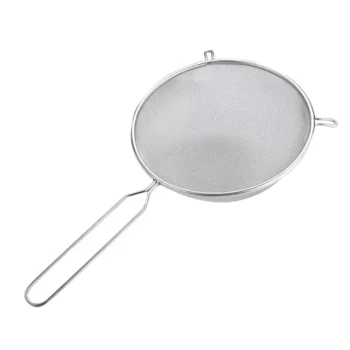
- Professional Stainless Steel Honey Filter with Support Handle
- Professional Honey Filter with Tripod Support Stand
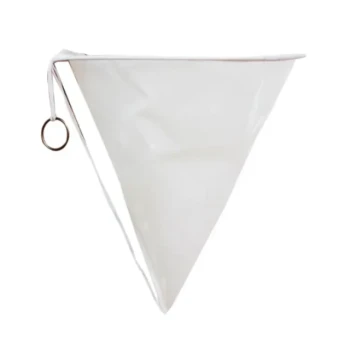
- Professional Cone-Shaped Honey Filter with Reinforced Steel Ring
People Also Ask
- Why is filtering honey an important step in honey processing? Ensure Purity, Clarity & Marketability
- What is the best way to filter honey? A Guide to Quality, Clarity, and Raw Preservation
- Is it necessary to filter honey after extraction? A Guide to Straining vs. Raw Honey
- Why do people filter honey? For Clarity, Stability, and Consumer Appeal
- What are the benefits of using honey filters? Achieve Purity, Efficiency, and Market Appeal