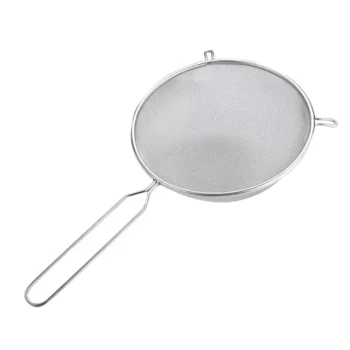
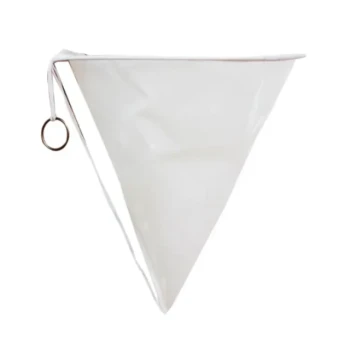
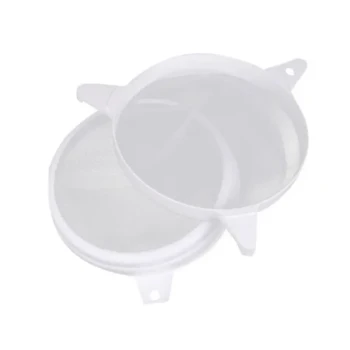
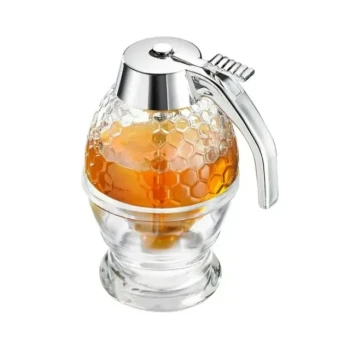
Fine filtration is a critical physical separation step that ensures process stability and product purity. By removing beeswax residue, bee body parts, and solid suspended particles, filtration allows honey to form a uniform liquid film during the subsequent vacuum dehydration phase. This uniformity prevents "bumping" (sudden, violent boiling) and uneven heating, ensuring a highly efficient and controlled evaporation process.
Core Takeaway: Fine filtration serves as the essential technical foundation for vacuum dehydration by stabilizing the honey's physical state, protecting processing equipment, and ensuring the final product meets the high sensory and regulatory standards required for global distribution.
Optimizing the Vacuum Dehydration Process
Preventing Operational Disruptions
Raw honey contains various organic impurities that can interfere with thermal transfer during dehydration. If these solids remain, they create nucleation points that lead to bumping, a phenomenon where honey boils over or splashes violently under vacuum pressure.
By removing these particles beforehand, the honey maintains a consistent viscosity. This allows for a smooth, continuous flow through the dehydration equipment, maximizing your order fulfillment speed and processing efficiency.
Ensuring Uniform Heat Distribution
Clean, filtered honey forms a thin, consistent film on the heating surfaces of a vacuum evaporator. This ensures that heat is distributed evenly across the entire batch, preventing localized overheating which can damage the honey’s delicate enzyme profile.
Uniform heating is vital for maintaining the natural nutritional components of the honey. For wholesalers, this means receiving a product that retains its premium "raw" characteristics while benefiting from a shelf-stable moisture content.
Meeting Global Market and Regulatory Standards
Enhancing Sensory Appeal and Clarity
B2B buyers and consumers prioritize clarity and texture when evaluating honey quality. Fine filtration removes propolis residues and wax fragments that cause cloudiness or a "gritty" mouthfeel.
High-precision filtration ensures the honey achieves an attractive, translucent appearance. This professional finish is essential for products destined for premium retail shelves or high-end food manufacturing.
Compliance with International Regulations
Exporting honey requires strict adherence to food safety standards, such as EU Council Directive 2001/110/EC. These regulations prohibit foreign matter in honey while requiring the retention of natural pollen content.
Our deep professional expertise ensures that filtration is precise enough to remove mechanical impurities without stripping the honey of its geographical markers. This technical balance is key to passing stringent customs inspections and quality audits.
Understanding the Trade-offs
Filtration Precision vs. Nutrient Retention
While fine filtration is necessary, over-filtration can be a pitfall. If the filter mesh is too small, it may remove beneficial pollen, which can affect the honey's "floral source" certification and its perceived value in certain markets.
Equipment Wear and Maintenance
Skipping fine filtration can lead to the rapid clogging of downstream dehydration components. While the initial filtration step requires an investment in high-precision stainless steel meshes, it significantly extends the service life of the dehydration system and reduces downtime.
Choosing the Right Processing Standards for Your Goal
When selecting a honey supplier or processing method, your choice should align with your specific distribution strategy and target market requirements.
- If your primary focus is Rapid Market Entry and High Turnover: Prioritize suppliers who utilize multi-stage fine-pore filtration to ensure ultra-fast delivery of a shelf-stable, clear product that meets all standard food safety regulations.
- If your primary focus is Premium "Raw" Positioning: Ensure the filtration process is calibrated to remove only mechanical impurities (beeswax, debris) while specifically retaining natural pollen to preserve the honey's authenticity and high-end market value.
- If your primary focus is Global Export and Bulk Wholesaling: Opt for high-precision filtration that guarantees a "liquid film" consistency during dehydration, as this ensures the longest possible shelf life and prevents fermentation during long-distance shipping.
Mastering the technical nuances of honey filtration is the definitive way to ensure a premium, compliant, and shelf-stable product for the global B2B marketplace.
Summary Table:
| Key Aspect | Impact on Dehydration Process | B2B Market Advantage |
|---|---|---|
| Process Stability | Prevents "bumping" and violent boiling | Reduces downtime and processing waste |
| Thermal Efficiency | Ensures uniform liquid film/heat transfer | Preserves enzymes and nutritional profile |
| Product Clarity | Removes beeswax, propolis, and debris | Professional finish for premium retail |
| Compliance | Meets international food safety standards | Facilitates smooth customs and audits |
| Equipment Care | Minimizes clogging and component wear | Lowers long-term maintenance costs |
Scale Your Honey Business with HONESTBEE’s Industry Expertise
Maximize your profit margins and operational efficiency by partnering with HONESTBEE. We are a premier one-stop sourcing partner for commercial apiaries and B2B distributors worldwide. Our comprehensive wholesale portfolio includes everything from high-precision honey-filling machines and hive-making hardware to a full spectrum of essential beekeeping tools and consumables.
Why Choose HONESTBEE?
- Rapid Fulfillment: Ultra-fast delivery to keep your supply chain moving.
- Technical Support: Deep professional expertise in honey processing and equipment maintenance.
- OEM/ODM Capabilities: Tailored solutions to meet specific regional market requirements.
- Global Standards: Reliable equipment designed for high-turnover commercial environments.
Ready to upgrade your processing line or expand your product catalog?
References
- I. Gede Pasek Mangku, Mia Bella R. Fresnido. Vacuum evaporation optimization of Bali local honey for quality enhancement. DOI: 10.26656/fr.2017.8(6).018
This article is also based on technical information from HonestBee Knowledge Base .
Related Products
- Electric Double Wall Honey Filtering Machine Purifier Equipment for Honey Processing Plant
- Professional Stainless Steel Honey Filtering Machine with Water Bath Heating for Beekeeping
- Professional Stainless Steel Honey Filter with Support Handle
- Professional Honey Filter with Tripod Support Stand
- Honey Concentrating and Filtering Dehumidifier Machine 2T Capacity for Honey
People Also Ask
- What is the process of filtering honey? A Guide to Clean, Pure, and Market-Ready Honey
- What types of equipment are used in honey filtering? Build an Efficient System for Pure, Marketable Honey
- What is the overall importance of using the right equipment in honey filtering? Boost Quality & Marketability
- How should honey filtering equipment be properly maintained? Extend Equipment Life & Protect Honey Purity
- What steps are involved in maintaining honey filtering equipment? A Guide to Protecting Your Honey Quality