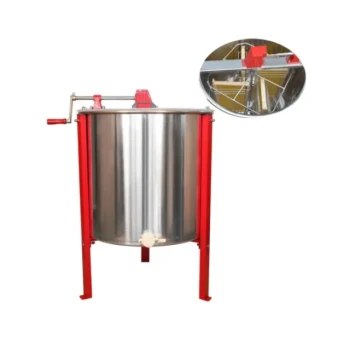
Strict equipment hygiene is the primary defense against botanical cross-contamination. When producing unifloral honey, the slightest residue from a previous harvest or a different floral source can compromise the specific floral profile, disqualifying the product from being labeled as a single-source variety.
The technical definition of unifloral honey relies on a precise, dominant botanical source. High-cleanliness protocols are not just about sanitation; they are the operational mechanism that segregates nectar flows, preventing the mixing of floral sources that would downgrade a premium product to a generic multifloral blend.
The Imperative of Botanical Isolation
Preventing Floral Cross-Contamination
The primary function of maintaining high cleanliness in harvesting tools is to prevent the mixing of nectars.
Unifloral honey derives its value from being sourced from a single plant species. Residue left on extractors or frames from a different bloom period introduces foreign pollen and nectar, diluting the botanical purity.
Securing Market Premium
Purity is a technical prerequisite for securing a quality premium in the marketplace.
To command the higher prices associated with unifloral varieties, producers must guarantee that the final product meets the strict definition of that specific botanical source. Clean equipment ensures this definition is not compromised by previous batches.
Eliminating Physical and Chemical Impurities
Moving Beyond Traditional Contaminants
Modern professional equipment utilizes non-destructive methods to avoid contaminants common in traditional harvesting.
Traditional methods often rely on open flames or heavy smoke, introducing ash, debris, and combustion residues. Clean, specialized tools eliminate these physical impurities, ensuring the honey meets superior hygiene standards.
Ensuring Material Safety
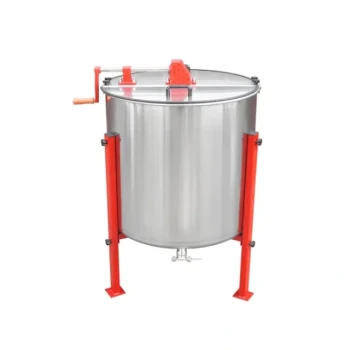
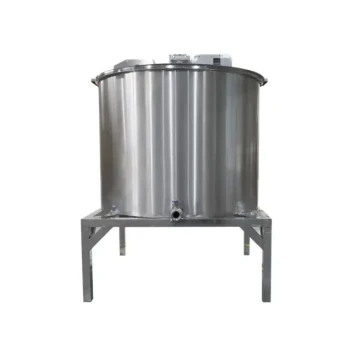
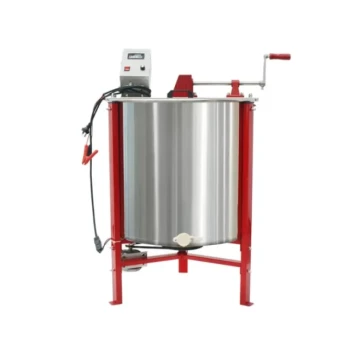
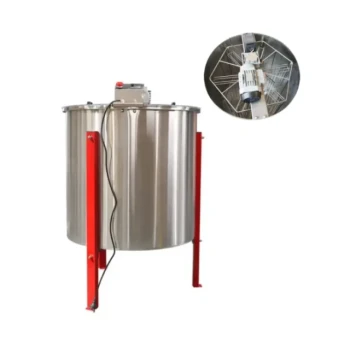
High-purity honey requires extraction equipment constructed from food-grade materials, typically stainless steel.
This prevents the introduction of metallic impurities or mechanical lubricant contamination during centrifugal extraction. Proper material selection safeguards the honey against chemical leaching that would otherwise violate organic certification standards.
Preserving Bioactive Integrity
Protecting Biochemical Markers
Clean extraction processes are critical for preserving bioactive ingredients, such as specific enzyme levels and proline content.
These markers are used to verify that the honey is fully ripened and authentic. Contaminated or improper equipment can degrade these components, making it difficult to pass geographical indication certifications.
Precision in Nectar Flow Management
Refined harvesting tools allow for separation based on specific nectar flow cycles.
By aligning equipment usage with the physicochemical properties of different plants, producers can physically separate batches based on bloom times. This maximizes the retention of nutritional components unique to that floral source.
Understanding the Trade-offs
Operational Speed vs. Product Purity
Achieving high purity requires frequent cleaning intervals and distinct batch processing, which reduces overall throughput.
Unlike bulk multifloral production, where continuous extraction is possible, unifloral production demands downtime between floral cycles to sanitize equipment. This increases operational time but is necessary for the product's integrity.
Equipment Specialization vs. Versatility
Standardized, large-scale automation is often incompatible with the specific needs of high-purity or unique bee species.
As noted in the supplementary data, species with unique nest structures or lower yields require specialized, semi-automated machinery. Using generic, high-volume lines can compromise the harvest or fail to accommodate the biological characteristics of the specific bee species.
Making the Right Choice for Your Goal
To ensure your production line supports your specific objectives, consider the following:
- If your primary focus is Geographical Indication (GI) Certification: Prioritize equipment that maximizes the retention of specific enzymes and electrical conductivity to prove botanical origin.
- If your primary focus is Organic Certification: Ensure all equipment is constructed from food-grade stainless steel to eliminate metallic and lubricant contamination.
- If your primary focus is Specialized Bee Species: Avoid generic high-yield lines and opt for specialized or semi-automated tools adapted to the specific nest structure and yield of your bees.
True unifloral quality is not just found in the hive, but is preserved through the rigorous discipline of your extraction process.
Summary Table:
| Factor | Impact on Unifloral Honey | Mitigation Strategy |
|---|---|---|
| Botanical Residue | Dilutes floral purity and lowers market value | Frequent sanitization between nectar flows |
| Physical Impurities | Introduces ash, debris, and smoke residues | Use of specialized, non-destructive tools |
| Material Safety | Metallic or lubricant chemical contamination | Implementation of food-grade stainless steel |
| Bioactive Integrity | Degradation of enzymes and biochemical markers | Use of precision extraction machinery |
| Operational Speed | Increased downtime for cleaning protocols | Scheduled batch processing based on bloom cycles |
Elevate Your Honey Production Standards with HONESTBEE
Producing premium unifloral honey requires more than just a good harvest—it demands professional-grade equipment that guarantees botanical purity and food safety. At HONESTBEE, we specialize in supporting commercial apiaries and distributors with high-performance, food-grade beekeeping tools and machinery.
Whether you need specialized honey-filling machines, durable stainless steel extractors, or advanced hive-making equipment, our comprehensive wholesale offering is designed to help you secure Geographical Indication (GI) and Organic certifications.
Ready to maximize your apiary's value? Contact us today to discover how our industry-leading equipment and consumables can streamline your production and protect your honey's integrity.
References
- Katharina Bissinger, Roland Herrmann. Regional Origin Outperforms All Other Sustainability Characteristics in Consumer Price Premiums for Honey: Empirical Evidence for Germany. DOI: 10.11130/jei.2021.36.1.162
This article is also based on technical information from HonestBee Knowledge Base .
Related Products
- Electric 8 Frame Honey Spinner Extractor Equipment for Beekeeping
- 6 Frame Manual Stainless Steel Honey Extractor Beekeeping Equipment
- HONESTBEE 2 Frame Manual Acrylic Honey Extractor Beekeeping Equipment
- HONESTBEE 72 Frame Industrial Electric Honey Extractor for Beekeeping
- 32 Frame Commercial Electric Honey Extractor for Beekeeping and Honey Production
People Also Ask
- What are the advantages of an electric honey extractor? Boost Efficiency and Scale Your Honey Production
- What are the characteristics of electric honey extractors? Boost Your Apiary Efficiency with Automated Technology
- What are the disadvantages of using an electric honey extractor? Weighing Cost, Power, and Comb Safety
- What are the features of an electric honey extractor? Boost Your Apiary's Productivity with Motorized Efficiency
- What are the technical advantages of electric honey extractors? Maximize Yield and Protect Your Bee Colony