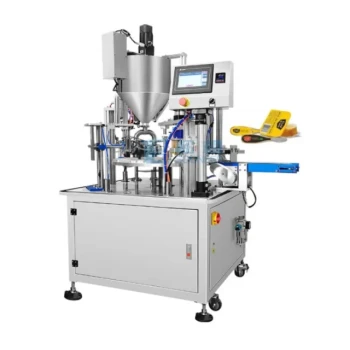
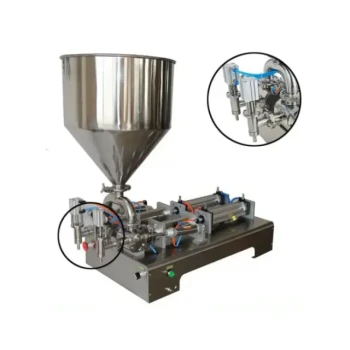
The physical properties of honey are dictated by its botanical origin. Honey harvested from specific nectar sources, such as fir (honeydew) or chestnut, exhibits significant variations in viscosity and density compared to standard floral honeys. High-precision filling equipment is essential because it provides the exact volumetric or weight control necessary to manage these fluctuations, ensuring that high-value monofloral products are packaged consistently without compromising purity or incurring processing damage.
Core Takeaway The unique market value of specific honey varieties like fir or chestnut lies in their distinct physical and chemical profiles. Precision equipment bridges the gap between raw natural variability and strict commercial standards, ensuring consistent fill weights and product integrity despite changes in viscosity.
The Physics of Nectar and Processing
Adapting to Viscosity Fluctuations
Honey derived from different sources does not flow uniformly. Honeydew honeys (like fir) often possess different density and flow characteristics than floral honeys.
Standard equipment may struggle to dispense these thicker or more variable liquids accurately. High-precision machines are engineered to adapt to these specific physical properties, ensuring smooth operation regardless of the honey's thickness.
Exact Volumetric and Weight Control
When processing high-value monofloral honeys, every gram affects the bottom line. Variations in density can lead to overfilling or underfilling if the machinery relies on simple timing mechanisms.
Precision equipment utilizes advanced metering to guarantee that the final package meets exact specifications. This reduces product giveaway and ensures regulatory compliance regarding net weight.
Protecting High-Value Monofloral Integrity
Damage-Free Processing
Premium honeys identified through precision mapping command higher market prices due to their specific qualities. It is critical that the filling process does not degrade the product.
High-precision machines are designed to move the honey efficiently without introducing excessive heat or mechanical stress. This "damage-free" approach preserves the delicate chemical structure and flavor profile of the honey.
Hygiene and Contamination Prevention
Processing equipment with food-grade contact surfaces is vital for maintaining purity. This is particularly important for forest honeys, where maintaining the "natural" status is a key selling point.
Automated systems reduce human contact and feature engineered pumping systems that maintain strict hygiene standards. This prevents contamination and spoilage, ensuring the product remains safe for consumption.
Operational Efficiency and Scale
Rapid Adjustments for Packaging
Industrial chains often require packaging the same honey type into various container sizes. High-precision quantitative filling capabilities allow for rapid changeovers between specifications.
This flexibility improves overall line efficiency from resource collection to distribution. It allows producers to respond quickly to market demands without significant downtime.
Managing High-Volume Production
In scenarios involving high productivity—such as regions with Africanized honeybees—large volumes of honey must be processed quickly. High-viscosity capabilities in precision machines ensure that speed does not come at the cost of accuracy.
These systems allow for the rapid sealing of large quantities. This maintains the quality stability of commercial honey in terms of shelf life and color, even under high-throughput conditions.
Understanding the Trade-offs
Investment vs. Return
High-precision equipment represents a significant capital expenditure compared to basic gravity-fill systems. The initial cost includes not just the hardware, but often specialized calibration for specific honey types.
However, relying on lower-quality equipment introduces the risk of maintenance downtime and inconsistent productivity. The "cost" of precision must be weighed against the value of zero downtime and reduced product waste.
Technical Complexity
Advanced filtration and concentration features allow for parameter adjustments based on moisture and viscosity. While powerful, this adds a layer of complexity to the operation.
Operators must be trained to adjust parameters for specific tree species like chestnut or linden. Improper settings can lead to processing inefficiencies or failure to effectively remove impurities that cause fermentation.
Making the Right Choice for Your Goal
To maximize the value of your specific honey harvest, align your equipment choice with your strategic priorities:
- If your primary focus is Market Competitiveness: Prioritize machines with exact weight control to ensure consistent packaging of high-value monofloral honeys without product waste.
- If your primary focus is Product Purity: Select equipment with advanced filtration and food-grade surfaces to remove impurities and prevent fermentation while preserving natural qualities.
- If your primary focus is Operational Speed: Look for automated systems with rapid adjustment capabilities to handle high volumes and varying packaging specifications efficiently.
Investing in precision technology is not just about filling jars; it is about securing the integrity and profitability of a variable natural resource.
Summary Table:
| Feature | Benefit for Monofloral Honey | Impact on Production |
|---|---|---|
| Exact Weight Control | Prevents over/underfilling of high-value varieties | Reduced waste & regulatory compliance |
| Viscosity Adaptation | Handles thick honeydew (fir) or chestnut flows | Smooth operation & no machinery clogs |
| Gentle Processing | Preserves delicate flavor and chemical profiles | Maintained premium product integrity |
| Advanced Hygiene | Prevents contamination in forest-sourced honey | Long shelf life & food safety |
| Rapid Changeovers | Fast adjustments between container sizes | High operational efficiency & scale |
Elevate Your Honey Production with HONESTBEE
At HONESTBEE, we specialize in empowering commercial apiaries and distributors with the precision tools needed to handle high-value nectar sources. From monofloral-optimized honey-filling machines to specialized hive-making hardware and essential consumables, we provide a comprehensive wholesale solution tailored to your scale.
Whether you are processing dense chestnut honey or high-volume forest varieties, our equipment ensures maximum yield and uncompromised purity. Contact us today to discover how our industry-leading machinery and cultural merchandise can enhance your brand's market competitiveness and operational speed.
References
- Athanasios Antonopoulos, Konstantinos Karantzalos. Hierarchical Deep Learning Framework for Mapping Honey-Producing Tree Species in Dense Forest Ecosystems Using Sentinel-2 Imagery. DOI: 10.3390/agronomy15122858
This article is also based on technical information from HonestBee Knowledge Base .
Related Products
- Small Honey Filling Machine Sachet Packing Equipment Single Nozzle
- Double Nozzle Small Honey Filling Machine Honey Sachet Packing Packaging Equipment
- Precision Durable Efficient HONESTBEE Rotary Honey Filling Machine
- Manual Honey Filling Machine Bottling Machine for Honey
- Economy Small Honey Filling Machine Honey Bottle Filler Packaging Machine
People Also Ask
- Why is high-performance honey filling and packaging equipment essential? Boost Efficiency & Brand Value
- What role does precision filling equipment play in cost control? Maximize Honey Profits & Market Growth
- How does high-precision honey filling equipment protect honey's biological activity? Safeguard Purity & Premium Value
- How does specialized honey filling equipment contribute to honey distribution? Scale Your Wholesale Efficiency Today
- What is honey filling equipment used for? Optimize Your Bottling with Precision Automation