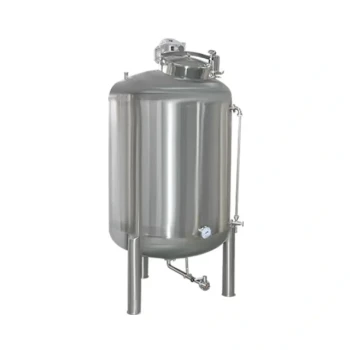
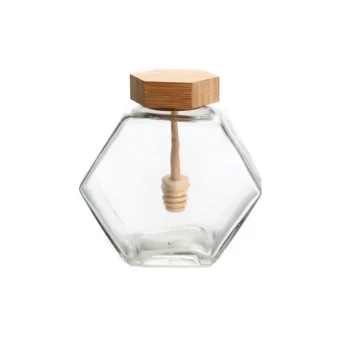
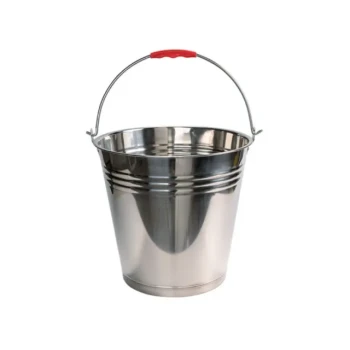
High-sealing, temperature-controlled storage is essential because it serves as the primary defense against spontaneous fermentation by effectively inhibiting the activity of naturally occurring yeast. For the global trade of natural raw honey, this equipment provides critical physical protection, ensuring the product maintains its trade value, strictly prevents quality degradation, and meets the rigorous compliance requirements of international export health standards.
Core Takeaway Natural honey is a chemically complex, living product that is highly sensitive to its environment. Specialized storage infrastructure is the only reliable mechanism to simultaneously halt biological spoilage (fermentation), prevent physical alteration (crystallization), and lock in the enzyme activity that defines its commercial worth.
Controlling Biological Stability
Inhibiting Yeast Activity
The primary threat to natural honey during storage and transport is fermentation. Honey contains naturally occurring osmotolerant yeasts; if the temperature or humidity fluctuates, these yeasts become active.
High-sealing, temperature-controlled equipment creates an environment that inhibits this yeast activity. By maintaining a stable thermal environment, you prevent the conditions that trigger spontaneous fermentation, which would otherwise render the product unfit for sale.
Counteracting Hygroscopy
Honey is highly hygroscopic, meaning it actively absorbs moisture from the surrounding atmosphere. If honey absorbs too much water, the moisture ratio shifts, creating an ideal breeding ground for spoilage organisms.
High-sealing, food-grade airtight buckets act as an imperative barrier against external humidity. This sealing ensures the honey retains its specific physicochemical properties and prevents the excessive water content that leads to degradation.
Preserving Chemical and Sensory Quality
Preventing Non-Enzymatic Browning
Honey is heat-sensitive and susceptible to chemical changes if mishandled. Without temperature regulation, honey can undergo non-enzymatic browning, causing the color to darken significantly.
Controlled storage simulates ideal conditions—dry, dark, and cool—to arrest this process. This preserves the light color and visual appeal that is often associated with higher-grade honey varieties.
Protecting Enzyme and Antioxidant Integrity
The commercial value of raw honey is often tied to its bioactive compounds, including enzymes, polyphenols, and flavonoids. These compounds are fragile and degrade rapidly under thermal stress.
Temperature control stabilizes the environment to protect these antioxidants from oxidation. This ensures the honey retains its original enzyme activity and nutritional value, including its ability to scavenge free radicals, which is critical for markets valuing honey’s health or skincare benefits.
Maintaining Aroma and Viscosity
Environmental fluctuations can strip honey of its high-intensity aroma and alter its viscosity. This loss of sensory character diminishes the product's premium status.
Climate-controlled facilities maintain the specific moisture ratio and viscosity required for consistent texture. This ensures that the honey reaching the consumer possesses the same aromatic profile and mouthfeel as it did at the point of harvest.
Understanding the Trade-offs
The Temperature Balancing Act
While temperature control is vital, it requires precision rather than extreme measures. There is a specific "Goldilocks" zone for honey storage, ideally between 50°F and 70°F (10°C to 21°C).
Deviating from this range introduces risks on both ends of the spectrum. Storing honey in a refrigerator (too cold) will actually accelerate crystallization, creating an undesirable texture. Conversely, exposing it to higher temperatures to prevent crystallization will degrade nutrients and alter the flavor profile.
Cost vs. Compliance
Implementing professional display racks and climate-controlled warehouses represents a significant capital investment compared to open-air or standard warehousing. However, this cost must be weighed against the risk of total product loss.
In the global market, "improper storage" is not just a quality issue; it is a compliance issue. Failure to control these variables can lead to rejected shipments due to health standard violations, making the investment in specialized equipment a prerequisite for market entry.
Making the Right Choice for Your Goal
To maximize the value of your honey trade operations, align your storage strategy with your specific objectives:
- If your primary focus is International Compliance: Prioritize high-sealing airtight vessels above all else to create an absolute moisture barrier that prevents fermentation and meets export health standards.
- If your primary focus is Premium Brand Value: Invest heavily in climate control between 10°C and 21°C to preserve the enzyme activity, light color, and aromatic intensity that command high retail prices.
Summary: In the global honey trade, specialized storage is not merely a logistical asset but a chemical necessity to prevent the biological inevitability of fermentation and degradation.
Summary Table:
| Key Feature | Primary Benefit | Impact on Trade Value |
|---|---|---|
| High-Sealing Design | Prevents moisture absorption (hygroscopy) | Stops fermentation & ensures compliance |
| Temperature Control | Inhibits non-enzymatic browning | Preserves color, aroma, and enzyme activity |
| Airtight Insulation | Blocks external contaminants | Maintains raw honey purity for premium pricing |
| Stable Climate (10-21°C) | Balances viscosity and texture | Prevents crystallization and heat damage |
Maximize Your Honey Trade Efficiency with HONESTBEE
At HONESTBEE, we understand that in the global honey market, storage quality is the difference between a premium product and a total loss. We cater to commercial apiaries and distributors with a comprehensive wholesale offering designed to protect your investment.
From specialized honey-filling machines to high-grade storage equipment and a full spectrum of beekeeping tools, our portfolio provides the technical solutions you need to meet international standards. Let us help you lock in enzyme integrity and prevent fermentation with our industrial-grade machinery.
Ready to elevate your operations? Contact us today to explore how our wholesale beekeeping equipment can safeguard your honey's commercial value.
References
- Brîndușa Covaci. NATURAL HONEY MARKET: EU28 AND BRICS COMPETITIVENESS EVIDENCES REGARDING MOUNTAIN NATURAL HONEY. DOI: 10.5281/zenodo.4192040
This article is also based on technical information from HonestBee Knowledge Base .
Related Products
- Stainless Steel Honey Storage and Settling Tank with Double Strainer
- Professional Honey Storage Tank with Agitation System
- Stainless Steel Honey Storage Tank with Lid for Honey
- Hexagonal Glass Honey Jar with Wooden Lid Integrated Dipper Elegant Functional Storage
- Stainless Steel Honey Tank Stand for Honey Storage
People Also Ask
- What economic role do honey storage tanks play? Boost Your Revenue Through Strategic Inventory Management
- What roles do industrial honey storage tanks and filtration meshes play in processing? Ensure Purity & Consistency
- What is the purpose of a honey storage tank? Streamline Your Honey Processing for Quality & Efficiency
- What role do settling tanks play in honey production? Achieve Pure, High-Clarity Honey Naturally
- Why are large settling tanks used in the honey clarification process? Achieve Natural Purity & Batch Consistency