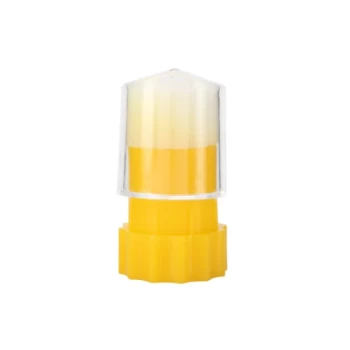
High-viscosity marking paint is a critical tool for ensuring data durability. In studies of honeybee population dynamics, this specialized paint is chosen specifically to ensure that identification marks do not flake or wear off during the bees' activity period. Because this period can last up to two weeks, the adhesion and durability provided by high viscosity are essential for maintaining accurate tracking.
The use of high-viscosity paint is the standard for maintaining the integrity of longitudinal studies, as it prevents the loss of identity in individual bees and ensures that genetic sampling data remains strictly tied to the correct colony.
The Role of Durability in Population Tracking
Withstanding the Activity Window
The primary challenge in tracking honeybees is the physical stress placed on markings. High-viscosity paint provides a robust bond that can withstand the rigors of flight and hive interaction.
Without this level of durability, markings would degrade before the observation period ends. This ensures researchers can track individuals for the full two-week activity cycle typical of these studies.
Precise Age and Cohort Identification
Researchers use this paint to color-code newly emerged worker bees. By applying durable marks immediately upon emergence, scientists can create distinct cohorts based on age.
This allows for the precise tracking of individuals as they age. It ensures that any data collected regarding behavior or biology is accurately correlated with the bee's specific life stage.
Ensuring Metagenomic Data Integrity
Preventing Colony "Drifting" Errors
A major risk in population studies is "drifting," where bees from one colony inadvertently enter another. High-viscosity markings act as a verified passport for each bee.
If a marked bee enters a different colony, the researcher can immediately identify it as an outsider. This prevents the accidental mixing of populations in the data set.
Validating Genetic and Immune Characteristics
Modern studies often involve metagenomic sampling to analyze the genetics and immune systems of a colony. The accuracy of this complex data relies entirely on the certainty of the sample source.
By ensuring markings stay intact, high-viscosity paint guarantees that the bees sampled actually belong to the specific genetic line being studied. This prevents the contamination of colony-specific data with biological material from drifting outsiders.
Common Pitfalls to Avoid
The Risk of Low-Viscosity Alternatives
Using standard or low-viscosity markers is a significant liability in long-term studies. These materials often fail to bond sufficiently with the bee's thorax.
If the paint chips off, the bee effectively becomes "invisible" to the study. This leads to gaps in data and can render genetic sampling statistically invalid.
Application Precision
While high-viscosity paint offers superior hold, it requires careful application. The paint must be applied precisely to avoid hindering the bee's movement.
However, the "trade-off" of requiring a steady hand during application is outweighed by the guarantee that the data collected over the subsequent weeks will be reliable.
Ensuring Accurate Population Analysis
To maximize the reliability of your bee population study, consider the following recommendations based on your specific research goals:
- If your primary focus is longitudinal tracking: Prioritize high-viscosity paint to ensure individual bees remain identifiable throughout their full two-week activity period.
- If your primary focus is metagenomic accuracy: Use rigorous color-coding to prevent "drifting" bees from contaminating the genetic and immune profiles of your target colonies.
Reliable physical marking is the foundational step that secures the validity of complex biological data.
Summary Table:
| Feature | High-Viscosity Marking Paint | Low-Viscosity Alternatives |
|---|---|---|
| Adhesion Strength | High: Bonds securely to the thorax | Low: Prone to flaking and chipping |
| Durability | Lasts full 2-week activity window | Degrades before observation ends |
| Data Integrity | Prevents "drifting" errors/cross-contamination | Causes data gaps and lost identities |
| Application Goal | Precise age and cohort identification | Temporary marking only |
Maximize Your Research Precision with HONESTBEE
At HONESTBEE, we understand that reliable data starts with the right equipment. Whether you are a commercial apiary, a distributor, or a researcher, our comprehensive wholesale range provides the tools you need for excellence. From specialized marking supplies to advanced hive-making and honey-filling machinery, we cater to every aspect of the industry including essential consumables and honey-themed cultural merchandise.
Ready to elevate your beekeeping operations? Contact us today to discover how our professional-grade equipment and machinery can bring unmatched efficiency and value to your business.
References
- Srinivas Thaduri, Joachim R. de Miranda. Global similarity, and some key differences, in the metagenomes of Swedish varroa-surviving and varroa-susceptible honeybees. DOI: 10.1038/s41598-021-02652-x
This article is also based on technical information from HonestBee Knowledge Base .
Related Products
- Queen Bee Marking Pen UNI Medium Point for Queen and Bee Marking
- Queen Bee Marking Pen POSCA Queen Marking Pens for Beekeeping Bee Markers
- Plastic Long Marker Device for Catching and Marking Bees Queen Bee Marking Tube and Cage
- Queen Bee Catcher Plastic Bee Marker Bottle with Piston Marking Tube
- One Hand Yellow Queen Marking Catcher Tube Cage Beekeeper Tool Accessory for Queen Bee
People Also Ask
- How should a new paint pen be primed before marking a queen bee? Essential Tips for Safe & Clear Markings
- How should a queen bee marking pen tip be properly primed? Master the Art of Safe Queen Marking
- What specifications are required for a high-quality queen bee marking pen? Ensure Safety and Precision for Your Colony
- What role do specialized marking pens and color-coding systems play in honeybee tracking? Enhance Research Precision
- Where on the queen bee's body should the mark be applied? Master the Art of Safe Queen Identification