Industrial-grade protective clothing is the fundamental enabler of continuity in large-scale apiary operations. By utilizing specialized sting-resistant fabrics and fully enclosed designs, these suits provide a reliable physical barrier that dramatically reduces the risk of injury from bee attacks. This protection is essential not just for safety, but for allowing operators to perform precise, efficient technical operations under the high pressure of commercial honey harvesting.
The Core Insight While physical safety is the obvious function, the deeper value of industrial-grade gear is the preservation of operational momentum. By eliminating the fear of stings and the risk of allergic reactions, this equipment transforms a hazardous environment into a controlled workspace, ensuring that labor efficiency and complex hive management schedules are never compromised.
Maximizing Operational Efficiency
Ensuring Workflow Continuity
In commercial beekeeping, downtime equates to significant financial loss. Industrial-grade suits utilize specialized fabrics to create a barrier that standard clothing cannot match. By preventing injuries, these suits ensure that the workforce remains active and that critical tasks—such as harvesting and migratory transport—proceed without interruption.
Enhancing Technical Precision
Commercial operations require more than just moving boxes; they demand delicate tasks like queen rearing and pest control. Fear of stings naturally induces panic or rushing, leading to clumsy handling. Professional-grade gear mitigates this psychological stress, allowing beekeepers to maintain the composure necessary for precise, complex hive manipulations.
The Mechanics of Protection
Advanced Material Composition
Modern industrial suits are engineered from puncture-resistant materials that block stings effectively. Crucially, as noted in supplementary data, these materials are designed to be breathable. This combination protects the operator from venom while managing body temperature during strenuous labor.
Structural Integrity and Visibility
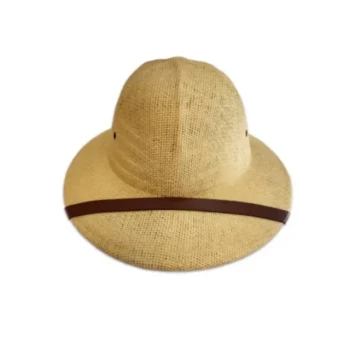
A suit is only as strong as its weakest point. Industrial designs feature fully enclosed structures to prevent bees from entering through gaps at the wrists, ankles, or neck. Furthermore, these suits are equipped with clear-vision metal mesh veils, which provide the optical clarity required to spot queens or disease symptoms without compromising facial protection.
Understanding the Trade-offs
Thermal Management vs. Protection
While modern materials aim for breathability, the density required to be truly sting-proof inevitably retains some heat. In extreme climates, operators must balance the need for maximum armor against the risk of heat fatigue, necessitating scheduled breaks and hydration protocols.
Dexterity Limitations
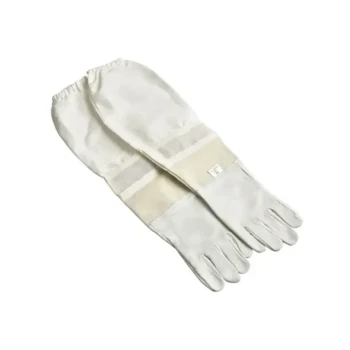
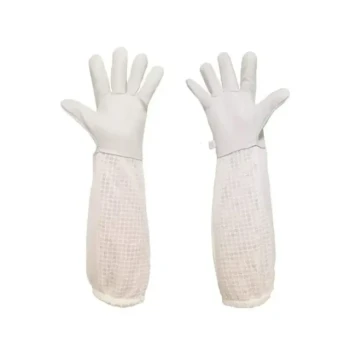
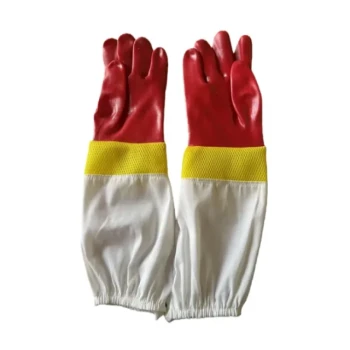
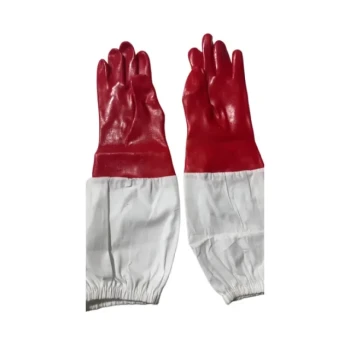
Comprehensive protection often extends to heavy-duty gloves. While these prevent hand stings, they can reduce tactile feedback. Operators may need to adapt their handling techniques to maintain the fine motor skills required for manipulating delicate frames or grafting larvae.
Making the Right Choice for Your Goal
Selecting the correct protective equipment depends on the specific intensity and nature of your daily operations.
- If your primary focus is high-volume honey harvesting: Prioritize suits with fully enclosed designs and maximum puncture resistance to maintain speed and confidence during aggressive colony disruption.
- If your primary focus is queen rearing and inspection: Choose gear featuring high-clarity metal mesh veils and specialized, thinner gloves to maximize visual precision and manual dexterity.
True industrial-grade protection is not merely a safety expense; it is a strategic investment in the stability and efficiency of your production chain.
Summary Table:
| Feature | Industrial-Grade Benefit | Impact on Large-Scale Operations |
|---|---|---|
| Material | Puncture-resistant, breathable fabrics | Reduces sting risks while managing heat fatigue |
| Design | Fully enclosed (wrists/ankles/neck) | Prevents bee entry during high-intensity harvesting |
| Visibility | High-clarity metal mesh veils | Allows for precise queen spotting and disease inspection |
| Psychology | Mitigation of sting-related stress | Maintains worker composure and operational momentum |
Elevate Your Apiary's Productivity with HONESTBEE
Commercial success in beekeeping hinges on the safety and efficiency of your team. HONESTBEE specializes in empowering commercial apiaries and distributors with premium, industrial-grade protective clothing and a full spectrum of beekeeping machinery.
From sting-proof suits that maintain operational momentum to advanced honey-filling machines and hive-making equipment, we provide the tools you need to scale. Our comprehensive wholesale offering ensures you have access to essential consumables and specialized hardware designed for the rigors of the industry.
Ready to upgrade your commercial operations? Contact HONESTBEE today to discuss our wholesale solutions and how we can support your business growth.
References
- Pynshongdor L. Nongbri. BEE KEEPING AND RURAL LIVELIHOOD: CONSTRUCT OF A RESEARCH MODEL THROUGH LITERATURE REVIEW. DOI: 10.5281/zenodo.7124350
This article is also based on technical information from HonestBee Knowledge Base .
Related Products
- Premium Cowboy Beekeeper Hat with Visibility Veil Outdoor Professional Beekeeping Protective Gear
- Premium Cotton Beekeeper Suit with Reinforced Fencing Veil
- Beekeeper Cowboy Hat and Veil for Beekeeping
- Beekeeping Gloves Goatskin Leather with Long Cotton Sleeve for Beekeepers
- White Cotton Beekeeping Jacket and Veil for Bee Keepers
People Also Ask
- What design features contribute to the stability and fit of the beekeeper hat? Key Features for Maximum Hive Safety
- How is the beekeeper hat designed for comfort and practicality? Explore Key Features for Enhanced Apiary Safety
- What is the general protective gear recommendation for new beekeepers? Your Essential Beginner's Safety Guide
- How does beekeeping protective gear facilitate the queen bee selection process? Enhancing Precision in Queen Breeding
- What should beekeepers consider when choosing protective gear? A Guide for Maximum Safety & Comfort