Immediate action is required to maintain apiary hygiene. Leaving a dead-out hive in the yard exposes unprotected honey stores, which inevitably triggers robbing behavior from neighboring colonies and wild animals. Additionally, the lack of active ventilation leads to severe moisture buildup within the hive, creating an environment perfect for destructive mold growth.
The presence of a dead colony creates a vulnerability vacuum. Removing it prompt protects your living colonies from aggressive competition and saves your valuable woodenware from environmental decay.
The Threat of Biological Intruders
Triggering a Robbing Frenzy
When a colony dies, the remaining honey stores are left unguarded. This unprotected resource acts as a beacon to other honeybee colonies in the area.
Your strong, healthy hives will quickly locate this "free" food source. This triggers robbing behavior, creating a chaotic and aggressive environment in your apiary that can stress your living colonies.
Inviting Wild Scavengers
It is not just other bees that notice the unprotected resources. The primary reference indicates that wild animals are also attracted to the scent of the hive contents.
Larger scavengers seeking sweet calories can cause significant physical damage to the hive structure. They may tip over boxes or destroy frames in their attempt to access the honey.
The Degradation of Equipment
Loss of Climate Control
A living colony actively manages the internal climate of the hive, circulating air and managing humidity. When the bees are gone, this regulation stops immediately.
Moisture and Mold Growth
Without the colony's heat and ventilation, condensation accumulates rapidly inside the hive. This stagnant moisture permeates the woodenware and the comb.
As noted in the primary reference, this moisture buildup encourages the growth of mold. Moldy frames are often unusable for future colonies, requiring you to cull and replace expensive equipment rather than reusing it.
Common Pitfalls to Avoid
The "Wait for Spring" Mistake
A common error is believing the equipment is safe until the weather warms up. However, moisture damage occurs throughout the winter and early spring during freeze-thaw cycles.
Underestimating the Robbing Speed
Robbing can strip a dead-out hive of resources in a matter of hours, not days. If you delay removal, you lose the opportunity to harvest or repurpose that honey for your surviving bees.
Strategies for Apiary Management
If your primary focus is biosecurity:
- Remove the hive immediately to prevent your healthy bees from mingling with the dead colony, reducing the risk of pest or pathogen transmission during robbing.
If your primary focus is equipment preservation:
- Bring the hive components indoors to dry out immediately, preventing mold from rooting into the wood and preserving the drawn comb for next season.
Proactive management of dead-outs turns a colony loss into a recoverable resource rather than a total liability.
Summary Table:
| Threat Category | Impact of Dead-Out Delay | Mitigation Strategy |
|---|---|---|
| Biosecurity | Triggers aggressive robbing and pathogen spread | Remove hive to isolate healthy colonies |
| Pest Control | Attracts wild scavengers and wax moths | Store equipment in a secure, dry location |
| Equipment | Moisture buildup leads to destructive mold | Clean and dry woodenware for reuse |
| Resources | Loss of honey stores to neighboring hives | Harvest or repurpose honey for surviving bees |
Secure Your Apiary’s Future with HONESTBEE
Recovering from a colony loss is easier when you have the right tools and professional support. HONESTBEE specializes in serving commercial apiaries and distributors with high-quality, durable beekeeping solutions. Whether you need to replace mold-damaged frames or upgrade to industrial-grade honey-filling machinery, our comprehensive wholesale portfolio has you covered.
Our value to you:
- High-Volume Supply: From hive-making machines to essential consumables.
- Commercial Expertise: Tailored equipment designed for the rigors of professional beekeeping.
- Global Distribution: Reliable logistics for large-scale apiary operations.
Don't let a dead-out compromise your season. Contact us today to restock your equipment and optimize your apiary efficiency!
Related Products
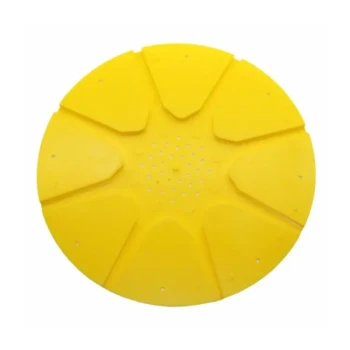
- Efficient Hive Clearing: HONESTBEE 8-Way Plastic Bee Escape
- Precision Stainless Steel Frame Cleaner for Hive Grooves and Corners
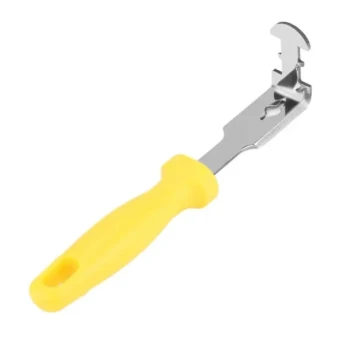
- Heavy Duty Stainless Steel Frame Cleaner with Plastic Handle
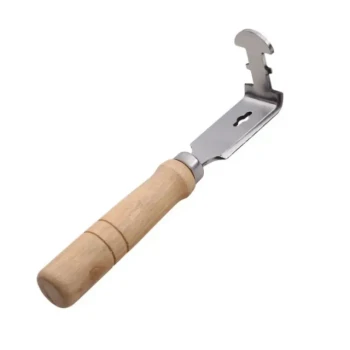
- Professional Stainless Steel Frame Cleaner with Ergonomic Wood Handle
People Also Ask
- How is a bee escape, or clearer board, used to harvest honey from a Langstroth hive? The Stress-Free Harvesting Guide
- What mechanical methods and tools are used to clear bees from honey supers? Efficient Tools for a Smooth Harvest
- What is the result of using a bee escape board for 24 hours? Achieve a Near Bee-Free Honey Super
- What are the different types of bee escape boards? Choose the Right One for a Stress-Free Honey Harvest
- How do bee escape boards and fume boards assist in honey harvesting? Optimize Your Harvest with Low-Stress Tools