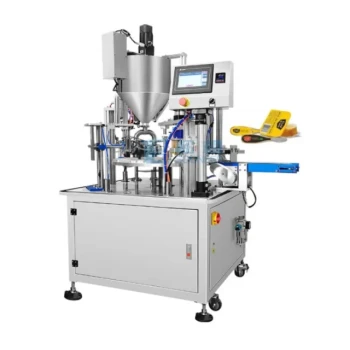
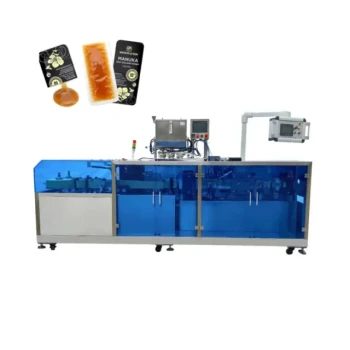
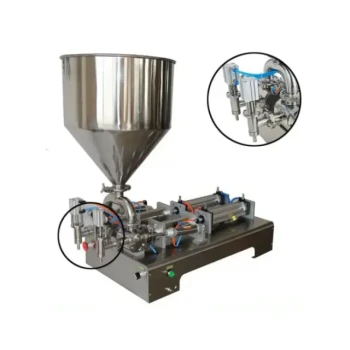
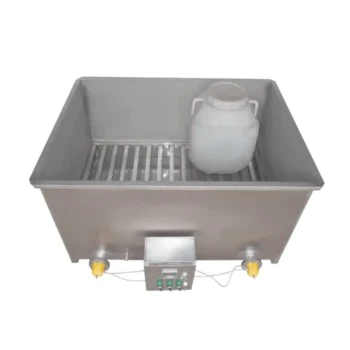
Specialized honey filling and processing machinery is a prerequisite for large-scale apiaries aiming to compete in high-end markets. These industrial systems provide the necessary automation for filtration, temperature regulation, and packaging that manual labor cannot sustain at volume. Without this equipment, operations cannot meet the rigorous standardization and hygiene requirements demanded by major distribution networks.
Core Insight: The transition from small-scale to large-scale beekeeping is defined by the ability to eliminate variability. Industrial machinery is not just about speed; it is the only mechanism that ensures consistent viscosity, eliminates secondary contamination, and converts raw biological output into a certified, shelf-ready commodity.
The Pillars of Industrial Honey Processing
Ensuring Uncompromised Hygiene
For large operations, the primary risk is secondary contamination. Manual extraction and filling processes introduce multiple points of human contact, increasing the likelihood of impurities or bacterial introduction.
Industrial-grade machinery minimizes this interaction. By automating the transfer of honey from extraction to packaging, these systems create a closed loop that strictly adheres to food safety standards.
Mastering Viscosity and Flow
Honey is a temperature-sensitive fluid. Its viscosity changes drastically with minor fluctuations in heat, making consistent filling difficult to achieve manually.
Specialized equipment utilizes precise temperature controls to maintain optimal flow without overheating. This ensures the honey can be filtered and bottled efficiently while preserving the active nutrients often lost during crude heating methods.
Achieving Market Standardization
High-end distribution markets reject inconsistency. Retailers require every unit to possess identical clarity, volume, and packaging quality.
Automated filling machines utilize constant-pressure filling technology. This guarantees that every jar contains the exact specified weight and meets the visual standards required for shelf competitiveness.
Managing Scale and Economic Output
Handling Pollination Surges
Large-scale apiaries often serve dual purposes: honey production and crop pollination (such as for Creeping Clover seed production).
Pollination cycles generate massive, sudden influxes of honey—producing 1 kg requires approximately 50 million flower visits. Industrial machinery is essential to process this surge in biological output rapidly, preventing bottlenecks that would occur with manual processing.
Diversifying Revenue Streams
Reliability in agriculture is low due to factors like irregular rainfall and crop failure. A robust processing infrastructure allows an apiary to mitigate these risks.
By utilizing specialized machinery, operations can process high-value byproducts like refined beeswax and propolis. This diversification creates a stable revenue stream that protects the business against the volatility of agricultural cycles.
Understanding the Trade-offs
Capital and Maintenance Intensity
While automation increases output, it introduces operational complexity. These machines require significant upfront investment and a maintenance schedule to ensure sensors and pressure valves remain accurate.
The Thermal Balance
There is a delicate balance between efficiency and quality. Over-reliance on heat to speed up processing can degrade the honey's nutritional profile.
Operators must ensure their machinery provides controlled temperature regulation rather than simple heating. The goal is to reduce viscosity for filtration without cooking out the enzymes that give raw honey its premium value.
Making the Right Choice for Your Goal
To determine the level of automation your operation requires, assess your primary business objective:
- If your primary focus is High-End Retail: Prioritize machinery with advanced filtration and constant-pressure filling to ensure zero impurities and perfect visual consistency.
- If your primary focus is Pollination Services: Invest in high-throughput systems capable of processing massive volume surges during short bloom cycles like Creeping Clover.
- If your primary focus is Risk Mitigation: Select versatile equipment capable of processing byproducts like beeswax and propolis to diversify your revenue beyond simple honey sales.
True scalability is achieved not by working harder, but by standardizing your output through precision engineering.
Summary Table:
| Key Feature | Benefit for Large-Scale Apiaries | Impact on Market |
|---|---|---|
| Automated Filtration | Eliminates impurities and secondary contamination | Ensures food safety compliance |
| Precision Temp Control | Maintains flow while preserving enzymes/nutrients | Protects premium product quality |
| Constant-Pressure Filling | Guarantees exact weight and visual consistency | Meets retail & export standards |
| High-Volume Throughput | Manages sudden surges during peak pollination | Prevents production bottlenecks |
| Byproduct Processing | Refines beeswax and propolis into sellable goods | Diversifies revenue streams |
Scale Your Honey Business with HONESTBEE
Transitioning from small-scale beekeeping to a commercial powerhouse requires precision and reliability. HONESTBEE specializes in supporting commercial apiaries and distributors by providing a full spectrum of industrial beekeeping tools and machinery.
From high-throughput hive-making machines to precision honey-filling systems and specialized processing consumables, we empower you to eliminate variability and meet rigorous hygiene standards. Whether you are looking to capture high-end retail markets or maximize output from pollination surges, our wholesale offerings provide the competitive edge you need.
Ready to automate your success? Contact HONESTBEE today to discuss how our equipment can transform your raw biological output into a certified, shelf-ready commodity.
References
- Pedro Rafael Martínez-Martínez, Brenda Dennís Valadez-Solana. Social Capital and Sustainable Development in Community Contexts: Evidence from Beekeepers in Southern Mexico. DOI: 10.3390/su172411102
This article is also based on technical information from HonestBee Knowledge Base .
Related Products
- Fully Automatic Honey Filling Packaging Machine for Processing Line
- Precision Durable Efficient HONESTBEE Rotary Honey Filling Machine
- Automatic Honey Filling and Filtering Machine for Beekeeping Bottle Filling
- Economy Small Honey Filling Machine Honey Bottle Filler Packaging Machine
- Small Honey Filling Machine Sachet Packing Equipment Single Nozzle
People Also Ask
- Why are fully automatic honey filling and packaging lines essential? Boost Your Honey's Market Value and Quality
- What is a fully-automatic honey filler? Streamline Your Production with High-Precision Automation
- How do automated honey filling and packaging machines affect profitability? Boost Margins with HONESTBEE Technology
- How do automated honey filling and packaging machines contribute to the market value of honey products? Maximize Your ROI
- How do industrial-grade automated honey filling and packaging machines mitigate the risk of physical contamination?