Precision is critical in hive manufacturing. Industrial hive-making machines must be adjusted because honey bee subspecies vary significantly in their physical size and natural behaviors. Standardizing equipment without regard for these local differences leads to hardware that contradicts the bees' biological needs, potentially triggering stress responses like swarming or abandonment of the hive.
Hive manufacturing is not a "one size fits all" process; machines must be calibrated to the specific physiological and behavioral traits of local bee populations to ensure colony resilience and ecological harmony.
Matching Hardware to Biology
The Criticality of Bee Space
Industrial machines determine the precise dimensions of the hive interior. If these settings do not align with the physiological traits of the specific subspecies, the hive becomes uninhabitable.
The machine must be calibrated to create the correct bee space—the specific gap size bees need to move freely. If this space is too large or too small for the local subspecies, the colony cannot manage their environment effectively.
Adjusting Frame Bar Widths
Similarly, the machinery must be set to cut frame bar widths that match the physical size of the bees. A subspecies with a smaller body size requires different framing dimensions than a larger subspecies.
Using incorrect frame widths disrupts the natural spacing of the comb, complicating colony management and reducing productivity.
Accommodating Behavioral Tendencies
Mitigating Swarming and Absconding
Beyond physical size, different subspecies exhibit different behavioral traits. Some populations have a genetically higher tendency for swarming (splitting the colony) or absconding (leaving the hive entirely).
The manufactured hardware must be designed to accommodate these temperaments. If the equipment exacerbates these tendencies, the beekeeper risks losing the colony entirely.
Supporting Natural Resilience
The ultimate goal of adjusting machine parameters is to support the ecological harmony of the local bee population.
By aligning the physical structure of the hive with the bees' natural instincts, the equipment acts as a support system rather than a stressor. This fosters natural resilience, allowing the colony to thrive within its local environment.
The Risks of Standardization
The "One Size Fits All" Fallacy
A common pitfall in industrial manufacturing is the direct application of heavy or deep hive designs intended for one subspecies to another.
Consequences of Mismatched Designs
Forcing a local subspecies into a hive design meant for a different type of bee often leads to rejection of the hive. The physical burden of an improperly sized home can trigger the very behavioral issues—such as absconding—that beekeepers try to prevent.
Making the Right Choice for Your Goal
To ensure the success of an apiary or manufacturing line, you must prioritize the biological reality of the specific bee population over standardized production metrics.
- If your primary focus is Equipment Manufacturing: Ensure your machinery allows for variable calibration of bee space and frame bar widths to suit different regional markets.
- If your primary focus is Colony Management: Select hardware that explicitly avoids heavy or deep designs unless they are proven to match the behavioral traits of your local subspecies.
Aligning industrial output with biological necessity is the foundation of sustainable beekeeping.
Summary Table:
| Parameter | Influence on Bee Subspecies | Risk of Misalignment |
|---|---|---|
| Bee Space | Dictates movement & hive maintenance | Colony abandonment or excessive propolis |
| Frame Bar Width | Matches physical body size of the bee | Disrupted comb spacing & lower honey yield |
| Hive Depth/Weight | Supports local behavioral temperaments | Increased swarming or absconding |
| Machine Calibration | Ensures ecological harmony with biology | Physical stress and hive rejection |
Scale Your Apiary Success with HONESTBEE
Precision manufacturing is the backbone of a thriving commercial apiary. HONESTBEE provides the specialized industrial tools needed to bridge the gap between biological necessity and high-volume production. Whether you are a large-scale distributor or a commercial honey producer, our comprehensive portfolio includes:
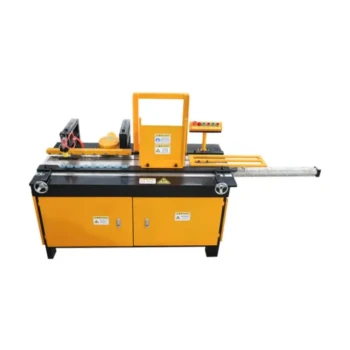
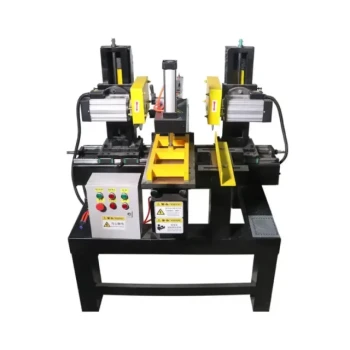
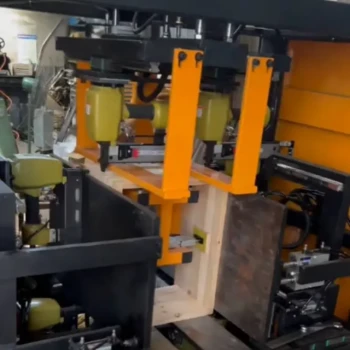
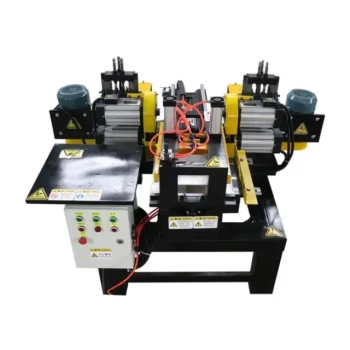
- Advanced Hive-Making Machines: Fully adjustable to calibrate precise bee space and frame widths for any subspecies.
- Professional Honey-Filling Lines: Optimized for efficiency and product integrity.
- Comprehensive Wholesale Supplies: From durable hardware to essential industry consumables.
Don't let standardized equipment limit your local colony's potential. Partner with HONESTBEE to deliver customized, high-performance beekeeping solutions that prioritize bee health and operational profitability.
Contact Our Technical Experts Today
References
- Haftom Gebremedhn, Dirk C. de Graaf. Living in harmony with nature: the key to resilience of honeybees (Apis mellifera) in Africa. DOI: 10.1007/s13592-025-01193-w
This article is also based on technical information from HonestBee Knowledge Base .
Related Products
- High-Efficiency Pneumatic Bee Hive Making Machine for Rapid Box Assembly
- Beehive Handle and Frame Rest Cutting Machine: Your Specialized Hive Machine
- Automatic Finger Joints Joint Making Machine for Bee Box and Hive Making
- Beehive Machine Double End Saw for Precision Hive Component Manufacturing
- Mini Desktop Bee Hive Frame Forming Making Machine
People Also Ask
- How does the introduction of professional beehive-making machinery benefit sustainable beekeeping? Scale Your Apiary
- Why is specialized beehive-making machinery critical for low-defense breeding? Enhance Selection with Precision Tools
- How does the introduction of specialized beehive making machinery contribute to increasing the scale of regional beekeeping industries?
- What is the importance of specialized beehive making machinery in a circular bio-economy? Build Local Sustainability
- Why is specialized beehive-making machinery essential? Scale Your Apiary with Precision Industrial Standards