Ensuring honey reaches a water content between 14% and 17% prior to filling is the primary defense against spoilage and essential for product consistency. This specific moisture range serves as the core indicator that the honey has reached maturity and is chemically stable enough to resist fermentation. Additionally, this precise level standardizes the honey's viscosity, ensuring it remains physically stable during packaging and long-term storage.
By adhering to the 14-17% moisture window, you are not just meeting a specification; you are eliminating the biological conditions required for yeast to survive. This ensures the product remains safe, shelf-stable, and consistent in texture from the filling line to the consumer.
The Critical Role of Moisture in Preservation
Preventing Fermentation
The most immediate risk to harvested honey is fermentation caused by osmophilic yeasts. These yeasts thrive in environments with higher moisture levels.
While honey is generally considered safe below 18.5% water content, the 14-17% range provides a robust safety buffer. By keeping moisture strictly within this lower bracket, you effectively starve yeast cells, preventing them from reproducing and spoiling the batch.
Signaling Maturity
In a natural hive setting, bees seal honeycomb cells only when the nectar has been sufficiently dehydrated.
Achieving a water content of 14-17% artificially replicates this biological milestone. It serves as a definitive metric of maturity, confirming that the honey is "finished" and ready for commercial processing.
Physical Stability and Processing
Standardizing Viscosity
Honey viscosity is directly correlated to its water content. Variations in moisture can lead to inconsistent flow rates during the filling process.
Maintaing the 14-17% range ensures a predictable texture and flow. This allows filling machinery to operate efficiently without constant calibration adjustments for batches that are too runny or too thick.
Long-Term Physical Stability
Beyond biological spoilage, honey can suffer from physical instability, such as separation or texture degradation over time.
Honey bottled within this precise moisture window maintains its homogeneity longer. It reduces the likelihood of phase separation in the jar, ensuring the consumer receives a product that looks and feels high-quality.
Understanding the Trade-offs
The Risk of Over-Drying
While low moisture is critical for preservation, driving the water content significantly below 14% can introduce new challenges.
Extremely dry honey becomes highly viscous, making it difficult to pump and fill without heating. Furthermore, very low moisture content can accelerate the rate of crystallization, potentially affecting the visual appeal and texture of the final product sooner than desired.
The Energy Cost of Precision
Achieving this narrow 14-17% window often requires active intervention, such as dehumidification or controlled heating.
This adds time and energy costs to the production cycle compared to bottling honey at the borderline 18% mark. However, this investment is generally offset by the elimination of product loss due to spoilage.
Making the Right Choice for Your Production
To optimize your filling process, align your target moisture content with your specific product goals:
- If your primary focus is maximum shelf-life security: Target the lower end (14-15%) to create the most hostile environment possible for yeast and fermentation.
- If your primary focus is minimizing crystallization and processing ease: Target the upper end of the safe zone (16-17%) to maintain a fluid viscosity while still staying safely below the 18.5% spoilage threshold.
Precision in moisture control is the single most effective way to guarantee a premium, lasting product.
Summary Table:
| Moisture Factor | Impact (14-17% Range) | Benefit to Producers |
|---|---|---|
| Biological | Prevents yeast fermentation | Eliminates spoilage and batch loss |
| Maturity | Replicates natural hive dehydration | Guarantees a mature, finished product |
| Viscosity | Standardizes flow and texture | Increases filling machine efficiency |
| Stability | Reduces phase separation | Maintains long-term visual quality |
| Safety Buffer | Safe margin below 18.5% threshold | Robust protection against humidity changes |
Maximize Your Apiary’s Productivity with HONESTBEE
Precise moisture control is the foundation of premium honey, and having the right equipment is key to achieving that 14-17% target consistently. HONESTBEE serves commercial apiaries and distributors with a comprehensive wholesale selection of professional beekeeping tools and industrial machinery.
Whether you need advanced honey-filling machines designed for perfect viscosity or specialized hardware to scale your operations, we provide the full spectrum of equipment and essential consumables to grow your business.
Ready to elevate your production standards?
Contact our experts today to find the perfect machinery for your honey processing line.
References
- Aikaterini Frantzana. Therapeutic Properties of Honey. DOI: 10.34297/ajbsr.2019.04.000858
This article is also based on technical information from HonestBee Knowledge Base .
Related Products
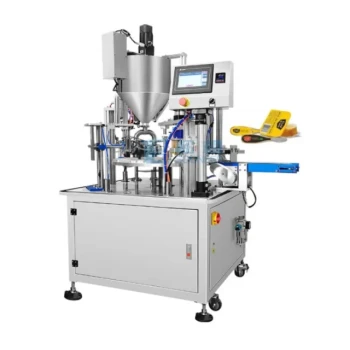
- Precision Durable Efficient HONESTBEE Rotary Honey Filling Machine
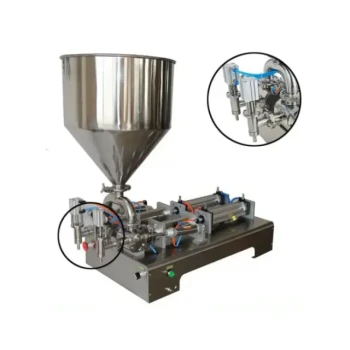
- Semi Automatic Small Honey Bottle Filling Machine Honey Filler
- Economy Small Honey Filling Machine Honey Bottle Filler Packaging Machine
- Commercial Rotary Honey Filling Machine for Production
- Fully Automatic Honey Filling Packaging Machine for Processing Line
People Also Ask
- How do high-precision honey filling machines ensure quality? Optimize Your Commercial Production with HONESTBEE
- What are the common types of bottling machines used for honey? Choosing the Right Solution for Your Apiary
- What quality control role does professional honey filling equipment perform? Ensure Consistency and Product Stability
- What is a key feature of the new generation of the honey filling machine? The Advanced Electronic Control Unit
- How do honey filling machines work? Achieve Precision & Speed for Your Apiary