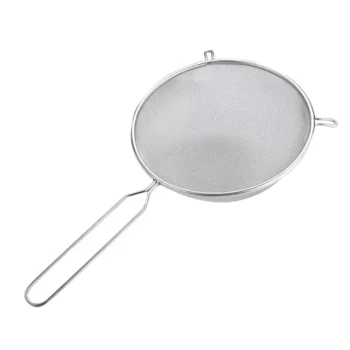
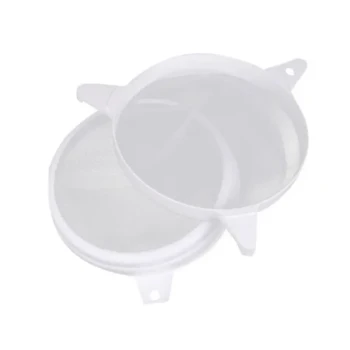
Filtration is the critical safeguard for analytical precision and equipment longevity. It removes particulate impurities—such as wax microparticles, pollen, and bee fragments—that would otherwise clog sensitive extraction devices like Solid-Phase Extraction (SPE) columns and HPLC systems. By ensuring a clean sample, you protect expensive laboratory consumables and maintain the consistent flow rates required for accurate, repeatable results.
Proper filtration serves a dual purpose: it acts as a technical shield for high-value laboratory equipment while simultaneously ensuring the honey meets the stringent purity and clarity standards required for global commercial trade.
Protecting High-Value Laboratory Assets
Preventing Clogging and System Failure
Honey straight from the hive contains undissolved matter that can lead to immediate blockages in fine-pore extraction devices. Using high-precision filter membranes removes these particulates before they reach the Solid-Phase Extraction (SPE) columns. This simple step prevents costly downtime and the premature disposal of expensive laboratory consumables.
Maintaining Pressure and Flow Stability
Particulate matter in a sample causes significant system pressure fluctuations during the extraction process. Filtration ensures a consistent liquid film and stable flow rate, which are essential for the integrity of chromatographic analysis. Stable pressure extends the service life of your chromatographic columns and ensures the reliability of your data.
Commercial Quality and Regulatory Compliance
Enhancing Marketability and Product Clarity
For wholesalers and distributors, the visual appeal of honey is a primary driver of market value. Physical filtration removes beeswax residue and organic debris, significantly improving the clarity and sensory quality of the final product. Clean, clear honey is more attractive to consumers and commands a higher premium in the B2B marketplace.
Meeting International Safety Standards
Rigorous filtration is necessary to ensure compliance with global regulations, such as EU Council Directive 2001/110/EC. These standards prohibit foreign matter in honey while requiring the retention of natural nutritional components. Utilizing professional-grade filtration systems allows traders to guarantee a product that is both pure and legally compliant for international export.
Optimizing Downstream Processing Efficiency
Improving Dehydration and Evaporation
Filtered honey performs more predictably during subsequent processing stages, such as vacuum evaporation. By removing solid suspended particles, the honey forms a uniform liquid film, which reduces the risk of "bumping" or uneven heating. This leads to a more efficient dehydration process and a smoother final texture.
Streamlining Order Fulfillment
Implementing high-precision filtration at the sampling stage prevents delays caused by equipment malfunction or failed quality tests. For distributors, this means ultra-fast delivery and more efficient order fulfillment. A clean sample process ensures that the transition from raw product to bottled inventory is seamless and professional.
Understanding the Trade-offs
Balancing Purity with Natural Composition
The primary challenge in filtration is removing "foreign" debris without stripping the honey of its natural pollen content. Over-filtration or using excessively fine meshes can remove the very elements that define the honey’s origin and nutritional profile. It is vital to use multi-stage fine-pore stainless steel meshes that target mechanical impurities while preserving the product's biological integrity.
Operational Costs vs. Equipment Protection
While high-precision membranes represent an upfront cost, they are significantly less expensive than replacing an entire HPLC column or SPE system. Failing to filter might seem like a time-saving measure, but it often results in increased long-term overhead due to equipment repair and sample re-testing.
How to Apply This to Your Project
Recommendations for Professional Sourcing
- If your primary focus is Equipment Longevity: Utilize high-precision 0.45μm or 0.22μm filter membranes to ensure no micro-particles enter your sensitive analytical systems.
- If your primary focus is Marketability and Export: Implement multi-stage filtration systems that prioritize clarity and the removal of visible beeswax and bee parts to meet international standards.
- If your primary focus is Operational Efficiency: Invest in high-throughput filtration tools that allow for rapid sample preparation without compromising the stability of the extraction flow rate.
By prioritizing this essential preparation step, you ensure a higher standard of product quality and protect the technical infrastructure that drives your business forward.
Summary Table:
| Key Reason | Primary Benefit | Business Impact |
|---|---|---|
| Equipment Protection | Prevents clogging in SPE/HPLC systems | Reduces maintenance costs and downtime |
| Analytical Precision | Ensures stable flow rates and pressure | Guarantees accurate and repeatable data |
| Regulatory Compliance | Meets EU and international purity standards | Simplifies global export and legal entry |
| Product Marketability | Improves visual clarity and sensory quality | Higher premium and B2B buyer appeal |
| Process Efficiency | Optimizes dehydration and filling | Faster order fulfillment and delivery |
Scale Your Honey Business with HONESTBEE
Maximize your profit margins and operational reliability with HONESTBEE, your premier one-stop sourcing partner. Whether you are a distributor or a commercial apiary, we provide a full spectrum of professional beekeeping solutions—from high-precision honey-filling machines to essential consumables and cultural merchandise.
Why choose HONESTBEE?
- Comprehensive Portfolio: Full range of machinery, tools, and hardware.
- B2B Expertise: Specialized OEM/ODM support and global certification compliance.
- Rapid Fulfillment: Ultra-fast delivery and dedicated customer service to keep your supply chain moving.
Ready to elevate your product quality and laboratory efficiency? Contact our expert team today for wholesale inquiries and tailored equipment solutions!
References
- Giampiero Pagliuca, A. G. Sabatini. A scientific note on the determination of oxytetracycline residues in honey by high-performance liquid chromatography with UV detection. DOI: 10.1051/apido:2002037
This article is also based on technical information from HonestBee Knowledge Base .
Related Products
- Electric Double Wall Honey Filtering Machine Purifier Equipment for Honey Processing Plant
- Professional Stainless Steel Honey Filtering Machine with Water Bath Heating for Beekeeping
- Professional Stainless Steel Honey Filter with Support Handle
- Professional Honey Filter with Tripod Support Stand
- Honey Concentrating and Filtering Dehumidifier Machine 2T Capacity for Honey
People Also Ask
- What is the process of filtering honey? A Guide to Clean, Pure, and Market-Ready Honey
- What types of equipment are used in honey filtering? Build an Efficient System for Pure, Marketable Honey
- What is the overall importance of using the right equipment in honey filtering? Boost Quality & Marketability
- Why is filtering important in honey processing, and what equipment is used? A Guide to Quality & Efficiency
- How should honey filtering equipment be properly maintained? Extend Equipment Life & Protect Honey Purity