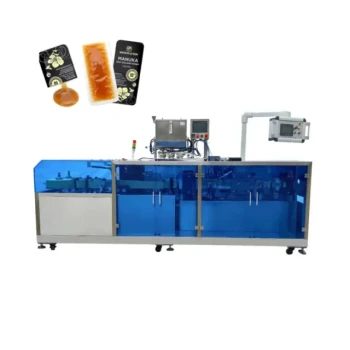
Uncapping honey frames is the requisite mechanical step that enables centrifugal extraction. Bees naturally seal each individual cell of the honeycomb with a layer of wax to preserve the honey inside. Before a centrifugal extractor can spin the liquid honey out of the frame, you must physically remove this wax barrier to open the cells.
Bees seal honeycomb cells to preserve honey at the perfect moisture level. Uncapping removes this protective wax barrier, creating an exit path for the liquid honey to flow out during the spinning process.
The Mechanics of Extraction
Overcoming the Wax Seal
Honey bees cap their cells with wax to create an airtight storage unit. This capping is a physical lid that prevents honey from leaking or absorbing ambient moisture.
To extract honey without destroying the comb, you must slice or scratch off this thin layer of wax. This process, known as uncapping, exposes the liquid honey while leaving the structural walls of the honeycomb intact.
The Role of Centrifugal Force
Modern extraction relies on spinning frames in a machine called an extractor. This machine uses centrifugal force to throw the honey out of the cells and onto the walls of the drum.
If the cells remain capped, the force cannot pull the honey out. Attempting to spin capped frames will simply result in the honey remaining trapped inside the comb, rendering the extraction process useless.
The Biological Significance of Capping
Indicators of Ripeness
The presence of the wax cap is the primary indicator that the honey is ready for harvest. Bees only cap the cells once the nectar has been dehydrated to the appropriate moisture content.
Ensuring Shelf Stability
If you extract nectar from uncapped cells before the bees have sealed them, the moisture content may be too high. This can lead to fermentation and spoilage. The cap is the bee's "seal of approval" that the honey is ripe, stable, and ready for long-term storage.
Methods and Tools
Heated and Cold Knives
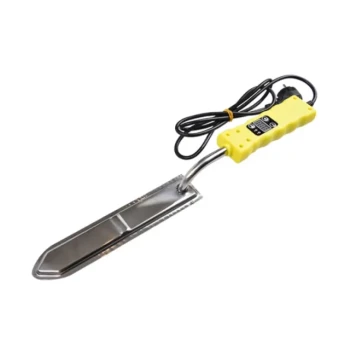
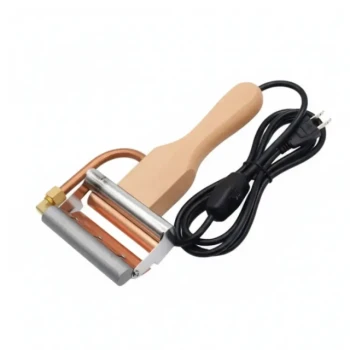
For efficiency, many beekeepers use an electric heated uncapping knife. The heat melts through the wax effortlessly, allowing for a clean cut across the frame face.
Alternatively, a sharp cold knife dipped in very hot water can achieve similar results. This is a common method for smaller operations where electric tools are unnecessary.
Forks and Rollers
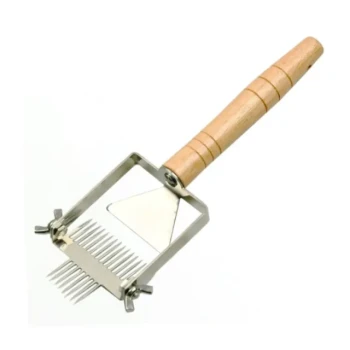
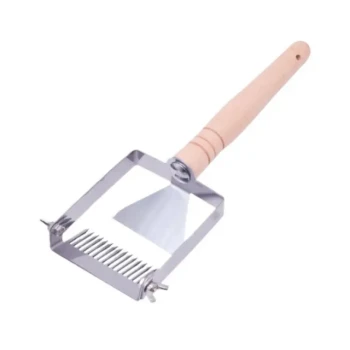
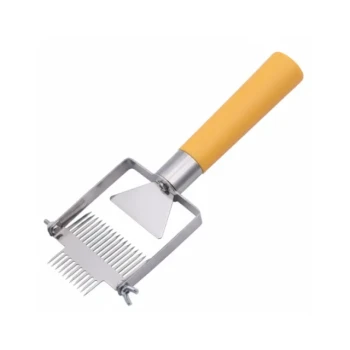
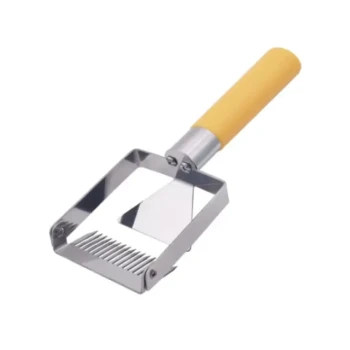
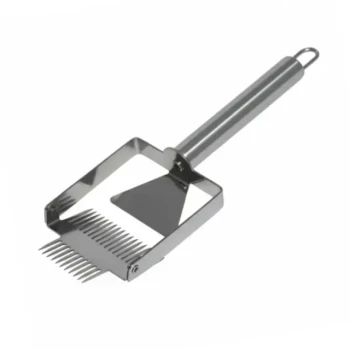
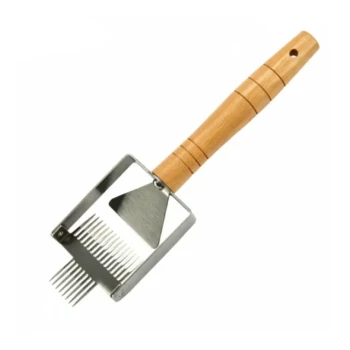
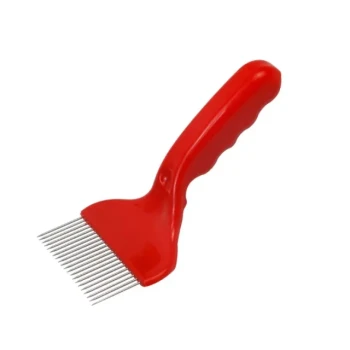
When knives miss low spots on uneven comb, an uncapping fork is used. Resembling a hair-pick with wiry teeth, it slides under the caps to lift them off individual cells.
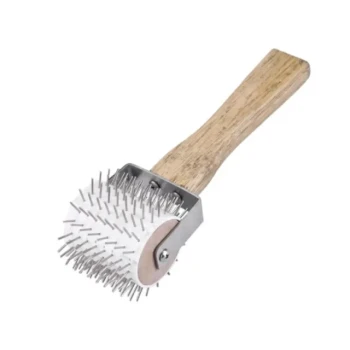
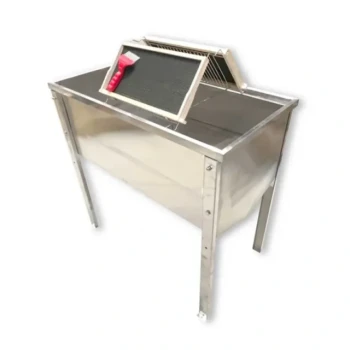
Other tools include rollers, slicers, or even heat guns, which melt the caps without physical contact. Each tool serves the same purpose: opening the cell for the extractor.
Understanding the Trade-offs
Extraction vs. Crush-and-Strain
It is vital to note that uncapping is only necessary if you are using a centrifugal extractor. If you do not have an extractor, you may use the crush-and-strain method.
This involves breaking the entire wax comb and straining the honey through a filter. While this removes the need for careful uncapping, it destroys the comb, forcing the bees to rebuild it from scratch next season.
Preservation of Resources
The primary advantage of uncapping (over crushing) is resource conservation. By slicing off only the caps, you preserve the drawn comb structure.
This allows you to return the empty frames to the hive. Because the bees do not have to expend energy rebuilding the wax walls, they can immediately focus on refilling the cells with new nectar.
Making the Right Choice for Your Harvest
How you handle your frames depends entirely on your equipment and your goals for the hive.
- If your primary focus is volume and speed: Use an electric uncapping knife and a centrifugal extractor to process frames quickly while preserving the comb for future use.
- If your primary focus is low-cost simplicity: Skip the uncapping tools and use the crush-and-strain method, understanding that you will sacrifice the comb structure.
- If your primary focus is precision: Use an uncapping fork to manually lift caps from uneven frames to minimize honey loss and wax debris.
Uncapping is the bridge between the bees' biological preservation method and the beekeeper's mechanical harvesting process.
Summary Table:
| Aspect | Centrifugal Extraction (Uncapping Required) | Crush-and-Strain Method |
|---|---|---|
| Mechanism | Removes wax seals to let centrifugal force pull honey out | Physically crushes the entire comb to release honey |
| Comb Preservation | Preserves drawn comb for reuse by bees | Destroys the comb structure completely |
| Equipment | Uncapping knife, fork, and extractor | Strainer and bucket |
| Bee Efficiency | Saves bees' energy (rebuilding wax is costly) | Bees must spend energy rebuilding all wax walls |
| Honey Quality | High; preserves ripeness and moisture levels | Variable; may include more wax debris |
Maximize Your Honey Yield with HONESTBEE
At HONESTBEE, we understand that efficient uncapping and extraction are the heart of a productive honey season. As a dedicated partner to commercial apiaries and distributors, we provide the high-performance tools you need to streamline your operations.
Our comprehensive wholesale range includes:
- Precision Machinery: Advanced honey-filling machines and automated hive-making equipment.
- Professional Tools: Electric uncapping knives, forks, and durable centrifugal extractors.
- Essential Consumables: A full spectrum of beekeeping hardware and honey-themed merchandise.
Ready to scale your beekeeping business with professional-grade equipment? Contact us today to explore our wholesale solutions and see how HONESTBEE can bring more efficiency to your harvest.
Related Products
- Professional Honey Uncapping Roller for Efficient Harvesting
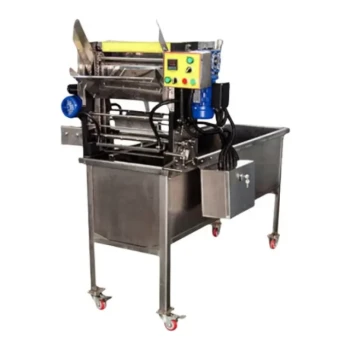
- Automatic Honey Frame Uncapper Machine for Beekeeping
- Professional Electric Honey Uncapping Knife with Heated Digital Temperature Control for Beekeeping
- Adjustable Stainless Steel Honey Uncapping Fork with Scraper Beekeeping Tool
- Wide Adjustable Stainless Steel Honey Uncapping Fork with Scraper
People Also Ask
- What other tools are available for honey uncapping besides knives? Find the Right Tool for Your Apiary's Scale
- What are the methods of uncapping honey? A Guide to Tools for Efficient Harvests
- What tools are available for uncapping honey? A Guide to Choosing the Right Tool for Your Operation
- What tools can be used to uncap honey cells? Expert Guide to Efficient Honey Extraction Equipment
- What are the essential tools for uncapping honey frames? Choose the Right Tool for Your Apiary