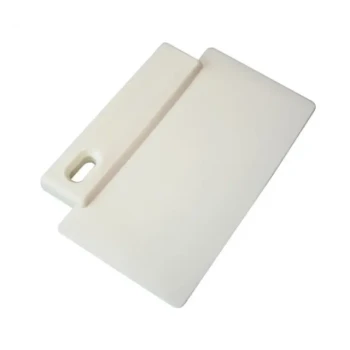
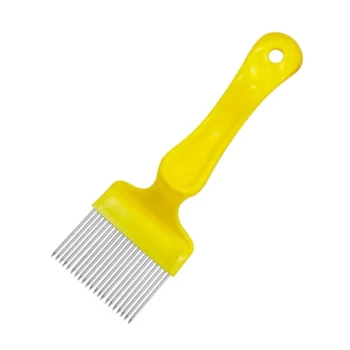
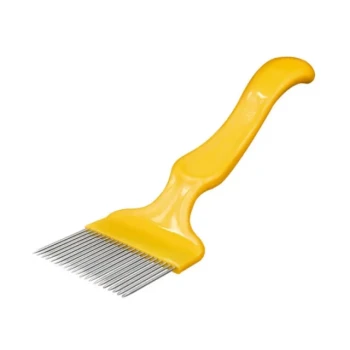
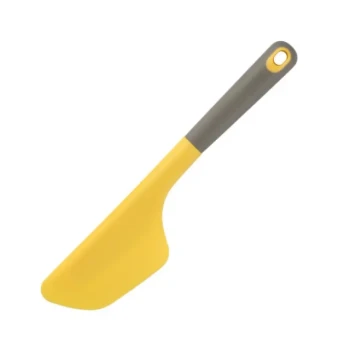
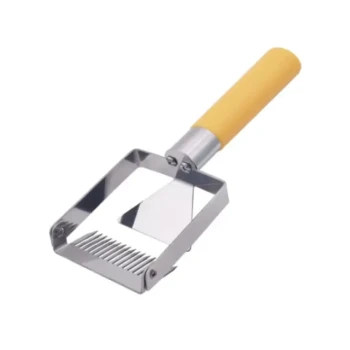
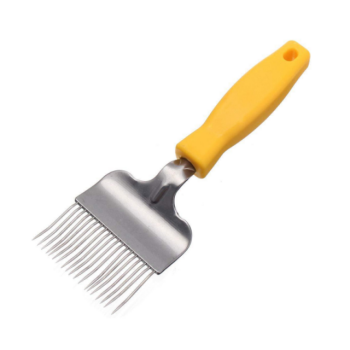
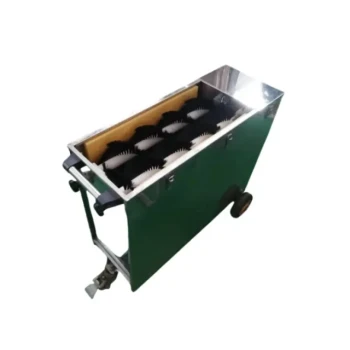
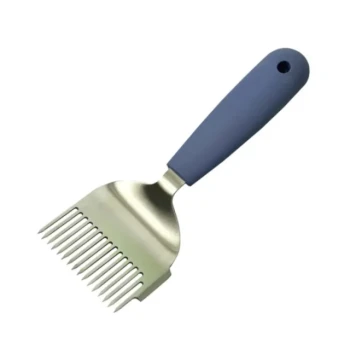
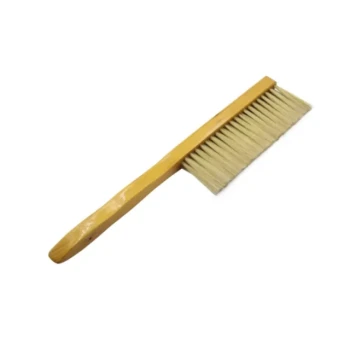
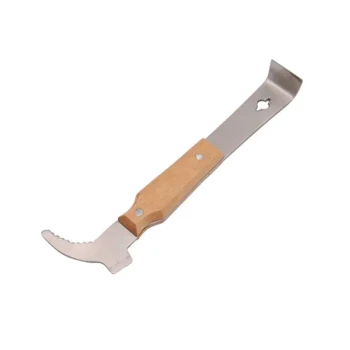
Professional harvesting tools are essential for manual cutting during honey sample pre-processing to guarantee the chemical and physical fidelity of the sample. By using sharp, specialized instruments, you minimize mechanical damage to the comb, preventing excessive oxidation and preserving the honey’s original physicochemical properties for accurate laboratory analysis.
The integrity of your analytical data relies entirely on the quality of your sample extraction. Professional cutting tools ensure the honey remains in a pristine state, eliminating variables caused by mechanical stress or irregular sample sizes.
Preserving Chemical Integrity
Preventing Oxidation
Manual cutting with sharp, professional tools ensures a clean separation of the comb. This precision minimizes the surface area exposed to air compared to crushing or tearing methods.
limiting exposure is critical to preventing excessive oxidation. Oxidation can rapidly alter the chemical composition of the honey, rendering the sample unrepresentative of the hive's true state.
Maintaining Physicochemical Properties
The mechanical stress applied during extraction can inadvertently change the honey's properties. Professional tools allow for a delicate extraction that keeps the honey in its most pristine state.
By reducing physical trauma to the comb, you ensure that subsequent laboratory results reflect the honey's natural characteristics, rather than artifacts of the harvesting process.
Ensuring Analytical Precision
Standardizing Sample Mass
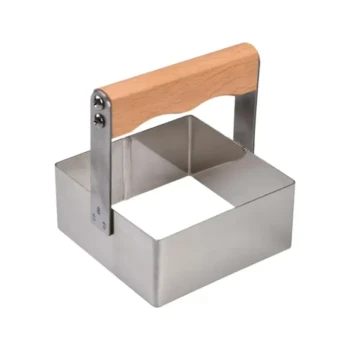
For quantitative analysis, consistency is paramount. Standardized high-precision cutting tools allow operators to extract samples of a fixed size, such as 5 cm x 5 cm.
This uniformity ensures that the volume and mass of the analysis matrix are highly consistent across all samples. Without this standardization, comparing results between different hives or batches becomes statistically unreliable.
Reducing Physical Errors
Using professional tools significantly reduces physical errors during the collection process. A precise cut provides a reliable initial mass base.
This is particularly important for complex tests, such as the quantitative analysis of multi-residue pesticides, where even minor variances in sample mass can skew concentration calculations.
Understanding the Trade-offs
The Risk of Improper Tools
Attempting to cut combs with ad-hoc or blunt tools often results in structural damage to the hive components. This not only degrades the sample quality but can also complicate future hive management.
Balancing Efficiency and Care
While professional tools—including protective gear and extractors—improve harvesting efficiency, the priority during sampling must remain on precision.
Rushing the cutting process, even with good tools, can lead to honey loss or sample contamination. The goal is to balance the speed of collection with the occupational health and safety standards required for a controlled production process.
Making the Right Choice for Your Goal
To ensure your sampling process yields valid scientific data, apply the following principles:
- If your primary focus is Chemical Analysis: Prioritize the sharpness of the tool to prevent oxidation and mechanical damage to the honey's molecular structure.
- If your primary focus is Quantitative Consistency: Use standardized cutting templates (e.g., 5x5 cm) to ensure a reliable mass base for residue testing.
- If your primary focus is Hive Health: Select tools that minimize structural damage to the comb, reducing stress on the colony and operator aggression.
True precision begins in the field, not in the lab; the right tool ensures your sample is a fact, not a variable.
Summary Table:
| Feature | Professional Tools | Ad-hoc/Blunt Tools |
|---|---|---|
| Cut Quality | Sharp, precise, clean separation | Jagged, tearing, mechanical damage |
| Oxidation Risk | Minimized (low surface exposure) | High (excessive air exposure) |
| Sample Consistency | Standardized mass and size | Variable and irregular |
| Data Reliability | High (accurate lab results) | Low (potential for skewed data) |
| Hive Impact | Minimal structural damage | Potential structural degradation |
Elevate Your Apiary Operations with HONESTBEE
Precision in the field determines accuracy in the lab. At HONESTBEE, we understand the critical needs of commercial apiaries and distributors. We provide a comprehensive wholesale range of high-performance beekeeping tools, specialized honey-filling machinery, and hive-making equipment designed to preserve the integrity of your honey from comb to container.
Whether you are scaling up production or supplying professional beekeepers, our portfolio of essential industry consumables and expert hardware ensures efficiency and chemical fidelity. Contact us today to discover how our tailored wholesale solutions can optimize your harvest and enhance your brand's value.
References
- Violeta Manolova, Ralitsa Balkanska. Characterization of Multifloral Honeys from Angola by Their Physicochemical Parameters. DOI: 10.20546/ijcmas.2018.702.225
This article is also based on technical information from HonestBee Knowledge Base .
Related Products
- Professional Frame Comb Fork and Lifter for Efficient Handling
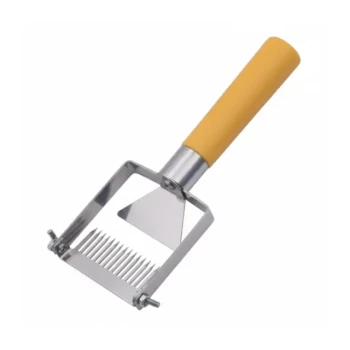
- Adjustable Stainless Steel Honey Uncapping Fork with Plastic Handle for Beekeeping
- Heavy Duty Stainless Steel Honeycomb Cutter
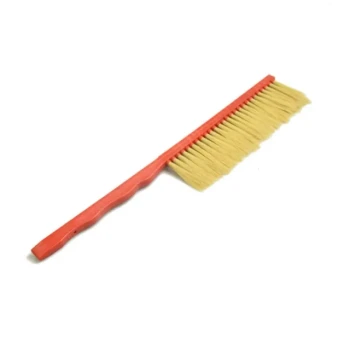
- Plastic Handle Single Row Artificial Fiber Bee Brush
- Wooden Bee Brush with Double-Row Horsehair Bristles
People Also Ask
- What is the specific design and purpose of a frame lifter hive tool? Master Gentle Hive Inspections
- How does the frame lifter hive tool function? Master Safe and Gentle Frame Removal
- What are the technical benefits of using a frame lifter? Maximize Hive Safety and Inspection Efficiency
- What are the roles of frames and combs in a beehive? Essential Infrastructure for Healthy Apiaries
- What is the function of specialized beekeeping tools and hive frames? Enhance Efficiency & Yield in Your Apiary