Weighing honeycombs before and after extraction is the definitive method for calculating the precise net yield of honey produced by a colony. By measuring the total mass initially and subtracting the post-extraction weight of the frame and wax residue, beekeepers can isolate the actual product weight from the structural components of the hive.
This differential measurement provides the granular data required to not only determine harvest volume but also to quantify the biological impact of hive treatments on worker bee productivity.
Determining Actual Yield
The Differential Method
To achieve accuracy, high-precision industrial scales are used to weigh the honeycomb frames immediately before they enter the extractor.
Once the honey is removed, the frames are weighed again. The difference between these two figures represents the actual honey yield, eliminating variables such as varying frame weights or inconsistent wax density.
Establishing Economic Efficiency
Accurate yield data serves as the baseline for evaluating the economic success of the apiary.
By knowing the exact weight of the honey harvested, producers can calculate the true return on investment for their equipment, labor, and hive management strategies.
Assessing Hive Treatments and Biology
Monitoring Foraging Behavior
The primary reference highlights that honey yield is a critical indicator of secondary effects caused by hive treatments.
Chemical treatments or interventions used to manage pests can sometimes negatively impact the foraging behavior of worker bees.
Productivity as a Health Metric
By comparing weight differentials across treated and untreated hives, beekeepers can scientifically assess whether a specific treatment reduced the colony's ability to gather nectar.
This makes the "before and after" weight measurement a vital tool for balancing pest management with colony productivity.
Understanding the Trade-offs and Residual Value
The Value of Residue
The "after" weight often includes residual beeswax and honeycomb structure.
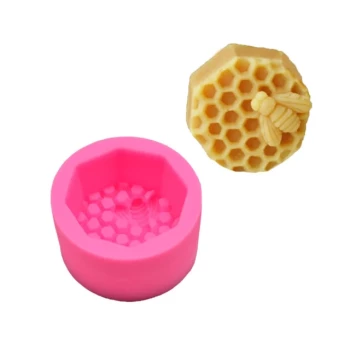
While this is waste in the context of honey yield, this residue can be processed into raw materials for secondary products like candles, diversifying the operation's revenue stream.
Preservation vs. Extraction
A key trade-off in extraction is removing honey without destroying the comb structure.
If the "after" weight suggests the comb is intact, it can be returned to the hive. This allows bees to repair and refill the comb rather than expending energy building new wax, significantly increasing future surplus honey storage.
Leveraging Data for Operation Success
To turn these measurements into actionable improvements, align your analysis with your specific operational goals:
- If your primary focus is Economic Efficiency: Use the net weight difference to calculate the strict cost-benefit ratio of any hive treatments applied during the season.
- If your primary focus is Colony Sustainability: Monitor the post-extraction weight to ensure combs remain substantial enough to be returned to the hive for energy-efficient re-use.
- If your primary focus is Diversification: Analyze the post-extraction residue weight to estimate the potential yield for secondary beeswax products.
Precise measurement transforms honey production from a volume estimation into a data-driven science.
Summary Table:
| Metric | Importance | Key Benefit |
|---|---|---|
| Pre-Extraction Weight | Captures total mass (honey, wax, frame) | Establishes the initial harvest baseline. |
| Post-Extraction Weight | Measures frame and wax residue | Isolates the actual honey yield from hive structures. |
| Weight Differential | Calculates precise net honey volume | Enables data-driven ROI and labor cost analysis. |
| Residue Assessment | Evaluates wax and comb integrity | Determines reuse potential and secondary product value. |
Elevate Your Honey Production with HONESTBEE
Precise data is the backbone of a profitable apiary. HONESTBEE empowers commercial apiaries and distributors with the high-performance tools needed to turn honey production into a data-driven science. From high-precision weighing scales to advanced honey-filling machines and specialized hive-making equipment, we provide the full spectrum of beekeeping hardware and consumables.
Whether you are scaling up your wholesale operations or diversifying into beeswax merchandise, our comprehensive portfolio ensures your business achieves maximum efficiency and colony sustainability.
Ready to optimize your yield? Contact us today to discover how our professional beekeeping equipment can transform your harvest.
References
- Rasha Sakla. Secondary effect of in-hive Metronidazole application on some biological, histological and biochemical activities of Honeybee workers (Apis mellifera L.). DOI: 10.21608/ejar.2021.96370.1152
This article is also based on technical information from HonestBee Knowledge Base .
Related Products
- Hexagonal Bee Honeycomb Silicone Soap Mold by HONESTBEE
- Professional Wide Blade Honey Scraper for Beekeeping and Honey Processing
- Honey Bee Lifecycle Model: A Detailed Honeycomb Display of Bee Development
- Premium 6-Cavity Bee and Floral Themed Silicone Soap Mold
- Heavy Duty Castellated Iron Frame Spacer for Honey Supers
People Also Ask
- What are the advantages of silicone molds for queen cell cups? Upgrade Your Queen Rearing Precision
- What should be considered when selecting combs of honey for extraction? | Key Steps for Quality Honey
- What do bees use combs for? The Hive's Essential Pantry and Nursery
- How are Honeycombs utilized as a standardized testing platform in the assessment of honeybee hygienic cleaning? Guide
- How does removing entire honeycombs impact Varroa mites? Master Mechanical Mite Control for Healthier Hives