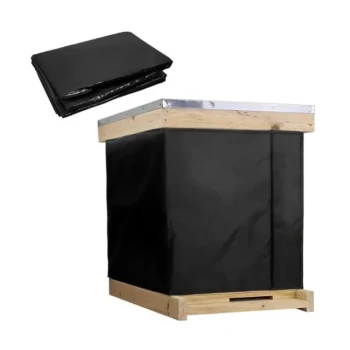
Wrapping bee hives with cloth during long-distance transportation is a critical thermal and behavioral control measure. Its primary function is to block direct sunlight, preventing internal temperatures from rising to dangerous levels that could compromise the hive's structure and the colony's survival.
Core Takeaway The application of cloth serves to simulate a dark, stable environment, inhibiting the melting of honeycombs and the subsequent leakage of honey. By excluding light, the wrap keeps the colony in a calm, dormant state, significantly minimizing physical stress and mortality rates during transit.
The Critical Role of Light Exclusion
Preventing Structural Failure
The most immediate danger to a hive during transport is the melting of honeycombs.
Direct sunlight striking the hive causes a rapid spike in internal temperature.
If the wax comb heats up significantly, it loses structural integrity and collapses. This leads to honey leakage, which can drown the bees and destroy the colony's food stores.
Inducing a Calming State
Bees are highly sensitive to light cycles.
Exposure to sunlight triggers activity and agitation, which increases the metabolic heat generated by the colony.
Wrapping the hive creates a permanent "night" environment. This keeps the bees in a dark, sedated state, reducing their physical activity and preventing the stress-induced overheating that occurs when a colony becomes agitated in a confined space.
Managing Thermodynamics and Airflow
Dissipating Metabolic Heat
While the primary reference emphasizes blocking light, supplementary data highlights that bees generate significant heat through metabolism, especially when stressed.
The wrapping material or method must accommodate continuous airflow.
Effective transport utilizes ventilation grids or mesh covers to allow this metabolic heat to escape, preventing the "oven effect" inside the hive.
Security and Containment
Beyond temperature control, wrapping serves a containment function.
High-density mesh covers act as a physical barrier.
This prevents bees from escaping the hive during transit while protecting them from external debris, ensuring the colony remains intact upon arrival.
Understanding the Trade-offs
The Risk of Suffocation
A common error is using a wrap that is too dense or non-breathable in an attempt to block light.
If the cloth blocks sunlight but also seals off ventilation, the colony will succumb to suffocation or heatstroke.
The material used must balance light exclusion with the high-volume air exchange required by a stressed colony.
The Importance of Timing
Reliance on wrapping alone is insufficient for safety.
The primary reference notes that wrapping should be combined with specific travel windows, such as dawn or dusk.
Leveraging cooler ambient temperatures during these times acts as a secondary safeguard against overheating, reinforcing the protection provided by the wrap.
Making the Right Choice for Your Transport
To ensure the survival of your colony, balance the need for darkness with the absolute necessity of ventilation.
- If your primary focus is Structural Integrity: Ensure the wrap is opaque enough to block direct sun, preventing the wax comb from softening and collapsing.
- If your primary focus is Colony Survival: Verify that your wrapping material allows for aggressive passive airflow to dissipate the heat generated by the bees.
- If your primary focus is Risk Mitigation: Schedule your transport during the cool hours of dawn or dusk to reduce the thermal load on the wrapping system.
The goal is to trick the colony into believing it is night-time while ensuring they have enough air to breathe.
Summary Table:
| Factor | Protective Function of Cloth Wrapping | Risk Without Wrapping |
|---|---|---|
| Temperature | Blocks direct sunlight; prevents internal heat spikes | Wax combs melt and collapse, drowning bees in honey |
| Bee Behavior | Simulates night; induces a calm, dormant state | High agitation and metabolic heat lead to colony exhaustion |
| Structural | Maintains wax integrity and hive structure | Honey leakage and loss of essential food stores |
| Containment | Acts as a physical barrier against escapes | Loss of bees and potential safety hazards during transport |
Maximize Your Apiary's Efficiency with HONESTBEE
Transporting colonies safely is just one part of a successful beekeeping operation. At HONESTBEE, we specialize in empowering commercial apiaries and distributors with high-performance tools and machinery designed for scale and reliability. From advanced honey-filling machines and specialized hive-making hardware to a complete range of beekeeping tools and essential consumables, we provide the end-to-end solutions your business needs to thrive.
Whether you are looking to upgrade your production line or source bulk supplies for distribution, our expert team is ready to assist you with a comprehensive wholesale offering. Contact us today to explore our full portfolio and discover the HONESTBEE advantage!
References
- Hussien Adal, Patrick Van Damme. An iconic traditional apiculture of park fringe communities of Borena Sayint National Park, north eastern Ethiopia. DOI: 10.1186/s13002-015-0051-1
This article is also based on technical information from HonestBee Knowledge Base .
Related Products
- Professional Insulated Winter Hive Wrap for Beekeeping
- Inner Beehive Cover for Beekeeping Bee Hive Inner Cover
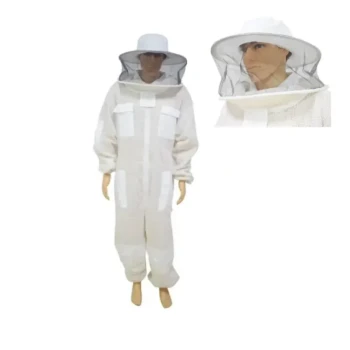
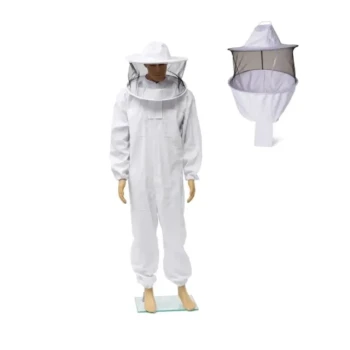
- Premium Three Layer Ventilated Bee Suit with Round Veil
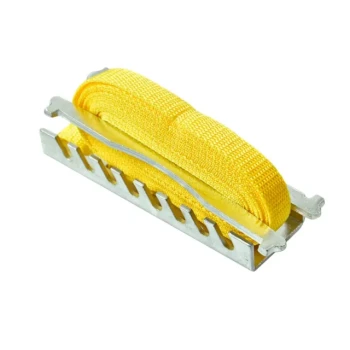
- Heavy-Duty Nylon Beehive Hive Strap with Stainless Steel Cinch Buckle
- Professional 600D Oxford Cloth Beekeeping Tool Bag with 8 Pockets and Elastic Loops
People Also Ask
- What are the steps to properly wrap a beehive for winter? Ensure Your Colony Survives the Cold
- When is the best time to wrap a beehive for winter? A Guide to Perfect Winterization Timing
- How do professional insulation wraps provide protection for bee colonies? Optimize Winter Survival & Energy Efficiency
- What are the technical benefits of using winter wraps for beehive insulation? Boost Colony Survival & Hive Health
- What are the benefits of using insulated covers for hives? Ensure Colony Survival and Health