The utilization efficiency of beehives and consumables serves as the primary driver of an apiary's allocative efficiency, directly determining the operation's economic viability. By minimizing the idle time of hives and precisely managing consumable resources, beekeepers can maintain current output levels using a fraction of the capital typically required, leading to substantial cost reductions.
Core Takeaway The root cause of low economic efficiency in many apiaries is not a lack of production, but a decline in allocative efficiency caused by idle equipment and wasted materials. The most effective strategy for cost reduction is maximizing the active use of every hive and consumable unit, rather than simply purchasing more resources to increase volume.
The Core Principle: Allocative Efficiency
The Cost of Idle Resources
The primary reference indicates that inefficiency stems largely from the idle time of production materials. When beehives sit empty or underutilized, they represent "dead capital" that incurs storage and maintenance costs without generating revenue.
Maintaining Output with Less
By focusing on high utilization, an apiary can theoretically achieve the same production targets with fewer physical hives. This reduces the total investment required for hardware, improving the ratio of output to capital employed.
Strategic Redistribution
Optimizing cost efficiency requires the redistribution of resources. Instead of buying new equipment for every expansion, efficient managers reallocate existing, underused hives and consumables to areas or colonies with higher production potential.
Reducing Operational Costs Through Material Efficiency
Thermal Regulation and Consumables
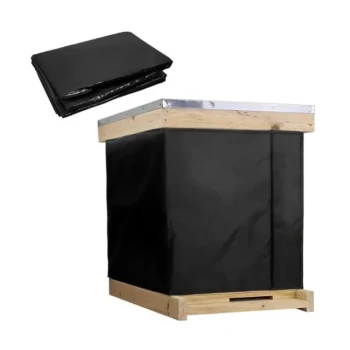
Utilizing insulated beehives directly impacts the consumption of supplemental feed. Superior thermal regulation allows bees to maintain colony temperature with less effort, significantly reducing the amount of honey or sugar they must consume for heat energy.
Lowering Input Costs
By reducing the need for supplemental sugar, the apiary lowers its recurring variable costs. This efficiency ensures that resources are directed toward honey production rather than basic colony survival.
Scientific Resource Allocation
Modern apiaries utilize monitoring devices to track nectar and pollen cycles. This data allows for the precise allocation of consumables during peak periods (December to May), ensuring materials are used only when they will yield the highest return.
The Role of Equipment in Process Efficiency
Protective Gear as a Productivity Tool
Specialized protective clothing is not merely a safety measure; it is an efficiency tool. By providing a reliable biosafety barrier, this equipment allows operators to work faster and with greater confidence during high-activity periods.
Reducing Management Risks
When beekeepers feel safe, they perform more frequent and thorough inspections. This leads to early detection of pests and better colony regulation, reducing the "cost" of colony loss or collapse due to negligence.
Economies of Scale
Increasing the number of utilized hives allows for economies of scale. Spreading fixed management and labor costs across a larger volume of production reduces the average cost per unit, justifying investments in automation like honey-filling machines.
Understanding the Trade-offs
The Capital Investment Barrier
While high-efficiency equipment (such as insulated hives and automated machinery) lowers long-term operating costs, it requires significant upfront capital. A purely efficiency-focused approach may be cost-prohibitive for small-scale or starting apiaries.
Complexity of Management
Increasing utilization rates often requires more sophisticated management. Relying on "just-in-time" resource allocation leaves little room for error; if equipment is fully utilized and a sudden need arises (e.g., catching a swarm), the lack of buffer inventory can lead to missed opportunities.
Making the Right Choice for Your Goal
To improve the cost efficiency of your apiary, align your resource management with your specific operational objectives.
- If your primary focus is Cost Reduction: Prioritize the redistribution of existing hives to eliminate idle time before purchasing any new equipment.
- If your primary focus is Profit Margin: Invest in insulated hives to permanently lower variable costs related to winter feeding and sugar supplements.
- If your primary focus is Scaling Up: Focus on standardization and mechanization to spread fixed labor costs across a larger production volume.
True apiary efficiency is not about owning the most hives, but about ensuring that every hive you own is actively contributing to production.
Summary Table:
| Key Factor | Impact on Cost Efficiency | Strategic Benefit |
|---|---|---|
| Equipment Utilization | Reduces "dead capital" and maintenance costs. | Achieve same output with less hardware investment. |
| Insulated Hives | Lowers expenditure on supplemental sugar/feed. | Permanent reduction in recurring variable costs. |
| Protective Gear | Increases labor speed and safety confidence. | Enhances productivity and reduces management risks. |
| Data-Driven Allocation | Ensures consumables are used during peak cycles. | Maximizes return on every unit of material input. |
Elevate Your Apiary's Profitability with HONESTBEE
Are you ready to transform your apiary from a resource-heavy operation into a lean, high-output business? At HONESTBEE, we specialize in helping commercial apiaries and distributors achieve peak allocative efficiency.
Our comprehensive wholesale portfolio is designed to reduce your overhead and maximize productivity:
- Advanced Machinery: From precision honey-filling machines to industrial hive-making equipment that streamlines your production line.
- High-Performance Hardware: Durable, insulated beehives and specialized tools built for heavy commercial use.
- Essential Consumables: A full spectrum of high-quality industry supplies to keep your colonies thriving year-round.
Whether you are looking to scale up through mechanization or lower your variable costs with better insulation, HONESTBEE provides the tools and expertise you need to succeed in the global beekeeping market.
Contact us today to optimize your supply chain!
References
- Sura Sa’il, Zwayid Fathi. MEASURING THE ECONOMIC EFFICIENCY OF HONEY PRODUCTION IN NINEVEH GOVERNORATE FOR THE SEASON 2018-2019. DOI: 10.33794/qjas.2020.167477
This article is also based on technical information from HonestBee Knowledge Base .
Related Products
- Professional Insulated Plastic Bee Hives
- Professional Insulated Winter Hive Wrap for Beekeeping
- Inner Beehive Cover for Beekeeping Bee Hive Inner Cover
- Stainless Steel Round Beehive Air Vents for Ventilation
- In-Hive Dual Compartment Frame Bee Feeder for Targeted Colony Nutrition
People Also Ask
- What are the advantages of plastic bee hives? Boost Efficiency & Durability for Your Apiary
- Are plastic bee hives any good? Unlock Durability & Efficiency for Your Apiary
- How do plastic bee hives compare to wooden hives in handling? Reduce Strain & Boost Efficiency
- Are plastic bee hives good? Durable, Low-Maintenance Hives for Modern Apiaries
- What are the disadvantages of plastic beehives? Key Operational and Environmental Risks Exposed