For new beekeepers, protective gear acts as a critical safety buffer during the initial learning phase. It shields the novice from stings while they acquire handling proficiency and determine their specific physiological tolerance to bee venom (apitoxin).
Protective gear serves a dual purpose: it physically prevents dangerous reactions to venom before an individual's susceptibility is known, and it psychologically lowers anxiety, allowing beginners to focus on technique rather than the fear of pain.
Managing Biological Risks
Assessing Venom Tolerance
Honey bees deliver apitoxin when they sting. Physical reactions to this venom are highly variable, ranging from mild local irritation to dangerous systemic responses.
Because a beginner often does not yet know their personal level of susceptibility, preventing stings is a medical necessity. Protective gear limits the total number of stings received, reducing the overall venom load on the body.
Countering Evolutionary Instincts
Bees possess a specific defense mechanism developed against mammalian predators, such as bears. They are biologically programmed to target the face of an intruder.
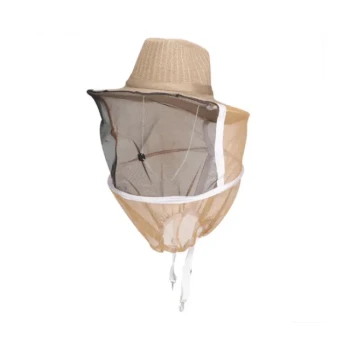
This behavior is triggered by CO2 receptors on the bees' antennae, which detect the carbon dioxide in your exhalations. Consequently, a veil is an essential tool to protect the sensitive areas of the head and face from focused attacks.
The Psychology of Handling
Reducing Anxiety to Improve Focus
Protective clothing serves as a primary defense that significantly reduces beekeeper anxiety. When the risk of painful stings is minimized, a beginner can concentrate fully on hive maintenance without distraction.
This sense of security is vital for learning. It transforms a potentially stressful situation into an enjoyable, educational experience, allowing the beekeeper to build confidence.
The "Scent of Fear" Misconception
It is a common belief that bees can "smell fear," but they are actually reacting to fear-related behaviors. A nervous beekeeper tends to breathe more heavily, releasing higher concentrations of CO2.
Because bees associate high CO2 output with a threat, nervous breathing can attract aggressive responses. Protective gear shields the beekeeper from the consequences of this physiological reaction until they learn to remain calm.
Understanding the Trade-offs
Dexterity vs. Protection
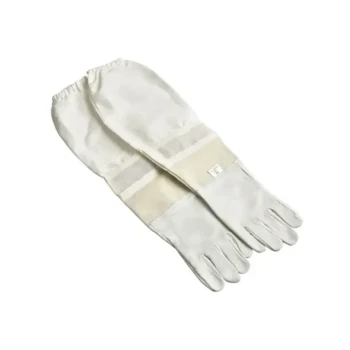
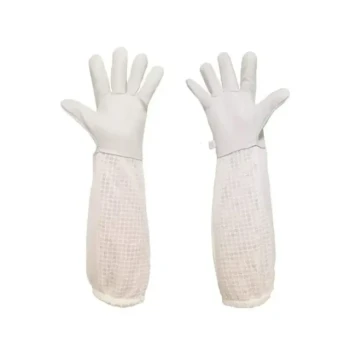
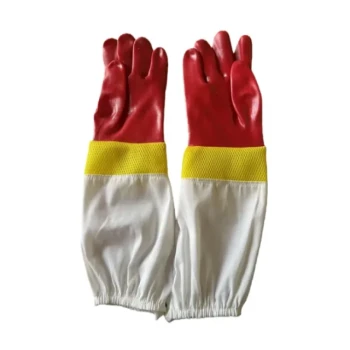
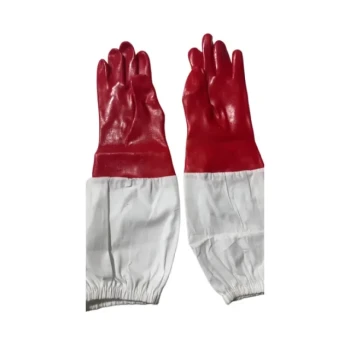
While gloves are critical for safeguarding hands during inspections, they create a functional trade-off. Thick gloves provide a tough barrier against stings but sacrifice the dexterity required for delicate tasks.
Comfort vs. Security
Full protective suits offer the most extensive coverage, including long sleeves and integrated veils, but can be uncomfortable or hot. New beekeepers are advised to accept this loss of comfort in exchange for maximum protection against potential hive attacks.
Most beekeepers eventually transition from full suits to lighter jackets within the first year or two as their comfort level and skills improve.
Making the Right Choice for Your Goal
Protective gear is not just about avoiding pain; it is about creating a controlled environment for learning.
- If your primary focus is maximum safety: fully suit up with a veil, gloves, and a full body suit to eliminate exposure while you determine your venom allergy status.
- If your primary focus is skill acquisition: utilize a veil and gloves to protect high-target areas (face and hands), acknowledging that you may need to move slower to compensate for reduced dexterity.
- If your primary focus is apiary hygiene: ensure your gear is washed periodically to prevent the spread of dirt and contaminants that could compromise honey quality.
Mastering beekeeping requires patience, and protective gear provides the safety net you need to gain experience without the penalty of injury.
Summary Table:
| Feature | Purpose | Benefit for Beginners |
|---|---|---|
| Bee Veil | Protects face and neck | Guards sensitive areas from CO2-triggered attacks |
| Full Suit | Complete body coverage | Reduces venom load and prevents systemic reactions |
| Gloves | Protects hands | Minimizes stings during high-contact hive inspections |
| Ventilation | Heat management | Enhances comfort during long sessions in the sun |
Elevate Your Apiary Business with HONESTBEE
At HONESTBEE, we understand that high-quality protective gear is the foundation of a successful beekeeping journey. As a premier partner for commercial apiaries and distributors, we offer a comprehensive wholesale selection of premium beekeeping suits, veils, and gloves designed for maximum safety and durability.
Beyond personal protection, our portfolio features state-of-the-art hive-making and honey-filling machinery, essential industry consumables, and unique honey-themed cultural merchandise. Whether you are scaling a commercial operation or stocking a retail distribution network, HONESTBEE provides the specialized hardware and tools you need to thrive.
Ready to secure the best equipment for your team or customers? Contact Us Today to Explore Wholesale Opportunities
Related Products
- Premium Cowboy Beekeeper Hat with Visibility Veil Outdoor Professional Beekeeping Protective Gear
- Premium Cotton Beekeeper Suit with Reinforced Fencing Veil
- Goat Skin Leather Bee Sting Proof Beekeeping Gloves with Canvas Sleeve
- Beekeeping Gloves Goatskin Leather with Long Cotton Sleeve for Beekeepers
- Beekeeper Cowboy Hat and Veil for Beekeeping
People Also Ask
- What design features contribute to the stability and fit of the beekeeper hat? Key Features for Maximum Hive Safety
- How is the beekeeper hat designed for comfort and practicality? Explore Key Features for Enhanced Apiary Safety
- What is the general protective gear recommendation for new beekeepers? Your Essential Beginner's Safety Guide
- How does beekeeping protective gear facilitate the queen bee selection process? Enhancing Precision in Queen Breeding
- What should beekeepers consider when choosing protective gear? A Guide for Maximum Safety & Comfort