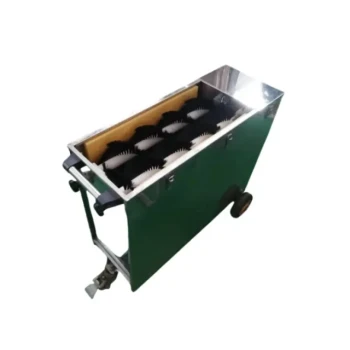
Selecting new specialized equipment is a critical biosafety measure. The primary recommendation to avoid second-hand tools during the initial stages of urban beekeeping stems from the urgent need to mitigate the risk of serious infectious diseases, specifically American Foul Brood (AFB). Because the pathogens responsible for these diseases are incredibly resistant and persistent, used machinery and hives often act as silent vectors for contamination, threatening the viability of your new colony before it even begins.
Establishing a healthy urban beekeeping environment requires a "clean slate" approach to hardware. Choosing new consumables and equipment with quality assurance serves as your first technical line of defense against persistent pathogens and ensures the protection of local biosafety.
The Biological Risks of Second-Hand Gear
The Threat of American Foul Brood
The most significant rationale for purchasing new equipment is the prevalence of American Foul Brood (AFB). This is a devastating bacterial disease that affects honeybee brood.
Once established, AFB is nearly impossible to cure without destroying the hive.
Pathogen Persistence and Resistance
The pathogens that cause AFB and similar hive diseases are not fragile. They are highly resistant to standard cleaning methods and environmental factors.
These spores can remain viable on surfaces for decades. Consequently, second-hand machinery carries a high probability of harboring these contaminants, regardless of how clean it may appear visually.
Establishing a Technical Defense
The First Line of Defense
In urban beekeeping, you are part of a denser network of pollinators. Your equipment choices impact not just your hive, but the surrounding ecosystem.
Using new equipment acts as a technical firewall. It eliminates the variable of unknown history, ensuring that you are not introducing "legacy" diseases into a fresh environment.
Quality Assurance Standards
New specialized equipment comes with manufacturing quality assurance. This guarantees the materials are sterile and free from biological residue upon purchase.
This reliability allows you to focus on management techniques rather than troubleshooting inherited health issues.
Understanding the Trade-offs
The Cost vs. Risk Calculation
The primary downside to this recommendation is the initial capital requirement. New specialized equipment is significantly more expensive than second-hand alternatives.
However, this must be viewed through the lens of risk management. The cost of purchasing new gear is static and predictable.
Conversely, the cost of using infected second-hand gear can result in the total loss of the colony and the mandatory destruction of all equipment. In this context, the premium paid for new hardware acts as an essential insurance policy.
Making the Right Choice for Your Goal
When establishing your apiary, weigh your immediate budget against long-term security.
- If your primary focus is Colony Survival: Prioritize purchasing new hive bodies, frames, and tools to completely nullify the risk of inheriting American Foul Brood.
- If your primary focus is Regional Biosafety: Select new equipment to ensure your urban apiary does not become a transmission node for infectious diseases in your local area.
By investing in new equipment, you are not just buying tools; you are securing the biological integrity of your future harvest.
Summary Table:
| Feature | New Specialized Equipment | Second-Hand Equipment |
|---|---|---|
| Biosafety Status | Guaranteed Sterile & Disease-Free | High Risk of Pathogens (e.g., AFB) |
| Pathogen Persistence | Zero Legacy Risk | Spores can remain viable for decades |
| Reliability | Manufacturer Quality Assurance | Unknown History & Potential Wear |
| Long-term Cost | Predictable Investment | Potential Total Loss of Colony |
| Environmental Impact | Protects Local Pollinator Networks | Risk of Becoming a Transmission Node |
Secure Your Apiary's Future with HONESTBEE
Starting your beekeeping journey with a 'clean slate' is the only way to ensure the biological integrity of your colony. HONESTBEE is dedicated to supporting commercial apiaries and distributors with high-quality, specialized beekeeping equipment that eliminates the risks associated with second-hand gear.
From advanced hive-making and honey-filling machines to essential beekeeping tools and consumables, our comprehensive wholesale offering provides everything you need to build a healthy, productive enterprise. Whether you are scaling a professional operation or supplying the next generation of urban beekeepers, our hardware meets the highest industry standards for biosafety and performance.
Don't risk your investment on used equipment. Contact us today to access our full portfolio of premium beekeeping machinery and tools!
References
- Dara Dimitrov. Urban Beekeepers and Local Councils in Aotearoa, New Zealand: Honeybees Are Valuable Allies in Achieving the Sustainable Development Goals. DOI: 10.17645/up.9166
This article is also based on technical information from HonestBee Knowledge Base .
Related Products
- Professional Bee Smoker with Elongated Spout and Durable Bellows for Beekeeping
- HONESTBEE Professional Mini J-Hook Hive Tool for Beekeeping
- Queen Bee Artificial Insemination Instrument Equipment for Instrumental Insemination
- Stainless Steel J Hook Hive Tool for Beekeeping
- Stainless Steel Queen Grafting Tool for Beekeeping and Bee Queen Grafting
People Also Ask
- What roles do bee smokers and precision tools play in honey harvesting? Master Safety and Quality Control
- Why is a professional bee smoker considered an essential tool for hive management and safety? Master Colony Control.
- Why is the use of professional bee smokers and specialized fuel essential? Protect Honey Purity & Colony Safety
- How do professional bee smokers facilitate bee management? Enhancing Forest Beekeeping Safety and Efficiency
- Why is a professional Smoker essential during routine apiary inspections? Enhance Safety and Operational Efficiency