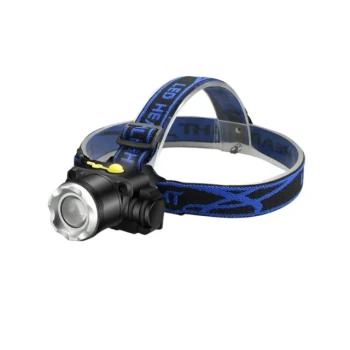
Monitoring-type beekeeping hardware is essential because it provides the real-time data necessary to transform apiary management from reactive to proactive. By continuously tracking conditions within the hive, these tools allow beekeepers to detect early indicators of environmental stress and chemical poisoning, enabling immediate defensive measures such as relocation or isolation to prevent colony collapse.
By replacing intuition with hard data, monitoring hardware serves as an early warning system against environmental pollution and pesticide misuse, directly safeguarding the colony's health and ensuring long-term sustainability.
The Role of Real-Time Data in Hive Survival
Detecting Environmental and Chemical Threats
The primary driver of colony collapse is often external environmental stress, including chemical poisoning from pesticides or pollution.
Without monitoring hardware, these threats are often identified only after significant damage has occurred.
Real-time sensors detect subtle changes in hive behavior or internal conditions that suggest immediate toxicity, allowing the beekeeper to intervene before the colony's population is decimated.
Enabling Proactive Relocation
Data alone does not save bees; the action it triggers does.
When monitoring tools indicate environmental degradation or a lack of forage, beekeepers can utilize migratory equipment to relocate colonies.
Moving hives to safer regions with abundant nectar and pollen strengthens the bees' physiological reserves, significantly improving their ability to overwinter and survive localized pollution events.
Precision Management of Pests and Diseases
Targeted Intervention via IPM
Beyond environmental toxins, parasites like the Varroa mite pose a critical threat to colony immunity.
Professional monitoring tools provide precise data on infestation levels, which is the cornerstone of Integrated Pest Management (IPM).
This data allows apiarists to time treatments accurately, preventing the collapse of the colony's immune system and curbing the spread of associated viruses.
Quantifiable Reduction in Colony Loss
The impact of monitoring on survival rates is statistically significant.
Research indicates that apiaries utilizing Varroa monitoring tools experience a loss rate of roughly 20.2%, compared to 27.7% for those that rely on guesswork or visual estimation alone.
This difference highlights that technical monitoring is not a luxury, but a fundamental requirement for reducing mortality.
The Human Component of Monitoring
Safety Enables Continuous Observation
While digital sensors are vital, human observation remains a key form of monitoring.
Standardized protective clothing and vented suits are essential hardware because they ensure the safety of the technician during close-range inspections.
By removing the risk of injury, this gear allows researchers and beekeepers to focus entirely on data collection and behavioral observation without rushing the process.
Minimizing Colony Disturbance
Effective monitoring requires a calm colony.
High-quality protective gear protects the user but also facilitates calmer hive management by allowing for gentle, deliberate movements.
This prevents the bees from entering an aggressive, defensive state, ensuring that the data collected reflects the hive's natural state rather than a reaction to human interference.
Understanding the Trade-offs
Data Interpretation Challenges
The presence of hardware generates a significant volume of data, which can be overwhelming.
Beekeepers must possess the expertise to distinguish between normal fluctuations and genuine warning signs.
Without the knowledge to interpret this data correctly, the hardware becomes a distraction rather than a strategic asset.
Dependency and Maintenance
Reliance on technical tools introduces a layer of logistical complexity.
Sensors require power, maintenance, and calibration to remain accurate.
Failure to maintain the equipment can lead to a false sense of security, where a beekeeper might miss a critical manual inspection because they are over-relying on a faulty data stream.
Making the Right Choice for Your Goal
To maximize the sustainability of your apiary, choose your hardware based on your specific operational risks.
- If your primary focus is mitigating chemical risks: Prioritize internal hive sensors that detect behavioral changes indicative of pesticide exposure to trigger rapid relocation.
- If your primary focus is disease control: Invest in professional Varroa monitoring tools to implement precise IPM schedules and lower viral transmission rates.
- If your primary focus is accurate manual inspection: Upgrade to vented, high-quality protective gear to allow for longer, safer, and less intrusive observation periods.
Sustainable apiculture relies not just on keeping bees, but on using data to actively defend them against an increasingly hostile environment.
Summary Table:
| Monitoring Benefit | Impact on Colony Health | Hardware/Tool Involved |
|---|---|---|
| Real-time Detection | Early warning for chemical poisoning & stress | Internal Hive Sensors |
| Pest Control (IPM) | Reduces loss rates from ~27.7% to 20.2% | Varroa Monitoring Tools |
| Safe Observation | Enables calm, frequent manual inspections | Professional Protective Gear |
| Migratory Action | Facilitates relocation to better forage areas | Migratory Equipment |
Secure Your Apiary’s Future with HONESTBEE
Transition from reactive to proactive management with professional-grade tools. HONESTBEE supports commercial apiaries and distributors with a comprehensive range of high-performance beekeeping hardware, from precision monitoring tools and hive-making machinery to essential protective gear.
Our solutions empower you to reduce colony mortality and maximize productivity through data-driven insights and reliable equipment. Whether you are scaling a commercial operation or supplying the industry, we provide the wholesale expertise and premium consumables you need to thrive.
Ready to enhance your hive survival rates?
Contact Us Today to Explore Our Wholesale Catalog
References
- Georgi Aleksiev. Impact of european ecopolicy in the development of bulgarian apiculture. DOI: 10.22620/sciworks.2024.01.006
This article is also based on technical information from HonestBee Knowledge Base .
Related Products
- Professional Rechargeable Beekeeping Headlamp Flashlight with Red Light Mode and Type-C Charging
- HONESTBEE Professional Mini J-Hook Hive Tool for Beekeeping
- Multi-Function Plier-Style Frame Grip Hive Tool
- HONESTBEE 15-in-1 Beekeeper Multi-Tool with Hammer and Pliers for Beekeeping
- Miniature Stainless Steel Bee Smoker for Beekeeping
People Also Ask
- What are the advantages of using red light sources for African honey bees? Enhance Safety and Colony Health
- Why is a Red-light Flashlight necessary for the nighttime transportation of bee colonies? Enhance Hive Safety & Success
- What are the main products obtained from beekeeping? Honey, Beeswax, and Vital Pollination Services
- What is the primary function of a cylinder-shaped wood mold? Essential Tools for Quality Queen Rearing
- How can beekeeping supplies and accessories enhance the hobby? Essential Tools for Safe & Rewarding Beekeeping