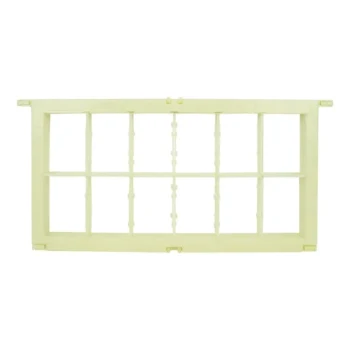
Nylon fiber is the superior choice for constructing brood measurement frameworks due to its unique combination of high tensile strength and minimal physical footprint. Its thin diameter allows researchers and beekeepers to divide frames into precise units—typically 25 square centimeters—without obstructing the visual inspection of larvae or impeding the movement of the bees.
By utilizing nylon fiber, beekeepers achieve a critical balance: creating a rigid, accurate measurement grid that remains virtually invisible to the colony, ensuring data accuracy without altering natural hive behavior.
The Mechanics of Accurate Measurement
To assess the health of a hive, precision is non-negotiable. The material used to grid the frame determines the reliability of your data.
Unobstructed Visibility
The primary challenge in brood assessment is seeing past the measurement tool to count the larvae. Nylon fiber is preferred because of its transparency and thin diameter.
Unlike thicker wires or opaque strings, nylon does not block the beekeeper's line of sight. This allows for rapid, accurate counting of larvae within each grid cell during inspections.
Structural Integrity and Precision
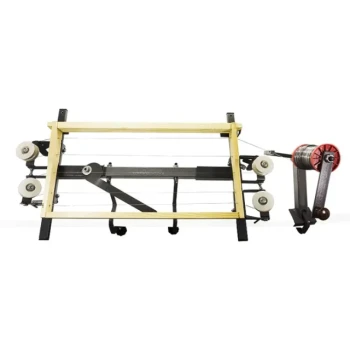
A measurement framework is useless if the grid lines sag or shift. Nylon boasts high tensile strength, allowing it to be pulled tight without breaking.
This tension is essential for maintaining accurate grid dimensions, such as specific 25 square centimeter units. A taut nylon grid ensures that the area being measured remains constant over time, providing reliable data for long-term studies.
Biological Compatibility
Beyond the mechanics of measurement, the framework must exist harmoniously within a living, biological system.
Minimizing Colony Disruption
Honey bees are sensitive to foreign objects in the hive. Thick or bulky dividers can alter worker bee movement and brood rearing patterns.
Nylon fiber is non-intrusive. Its thin profile minimizes physical interference, allowing the colony to maintain natural behavior even while the measurement framework is in place.
Chemical Stability
The hive environment is complex, containing honey, nectar, propolis, and varying humidity levels.
Nylon possesses excellent chemical stability. It does not degrade easily when exposed to hive conditions, nor does it leach substances that could harm the bees. This durability ensures the framework remains safe and effective through frequent hive inspections.
Understanding the Trade-offs
While nylon is the preferred material, proper installation is critical to realizing its benefits.
The Necessity of Tension
Because nylon is somewhat elastic, it must be installed with sufficient tension. If the fiber is too loose, the grid lines will warp, rendering the 25 square centimeter measurements inaccurate.
Visibility vs. Durability
While the thinness of nylon is an asset for visibility, it requires careful handling during construction. Extremely thin fibers can be difficult to manipulate if the installer does not have the correct tools to secure them tightly to the frame.
Making the Right Choice for Your Goal
When designing your brood assessment protocol, the choice of material dictates the quality of your results.
- If your primary focus is data accuracy: Rely on nylon's high tensile strength to maintain exact 25 square centimeter grid dimensions over repeated uses.
- If your primary focus is colony welfare: Choose nylon for its chemical stability and low profile to ensure the bees are not disturbed by the presence of the measurement tool.
Use nylon fiber to transform a standard hive frame into a precise scientific instrument without compromising the biological integrity of the colony.
Summary Table:
| Feature | Advantage of Nylon Fiber | Impact on Brood Assessment |
|---|---|---|
| Diameter | Ultra-thin profile | Maximizes visibility of larvae and prevents visual obstruction. |
| Tensile Strength | High elasticity resistance | Maintains rigid, consistent grid dimensions (e.g., 25 cm²) without sagging. |
| Biological Impact | Non-intrusive & Chemical-stable | Minimizes colony disruption and ensures no harmful leaching into the hive. |
| Durability | High resistance to humidity/propolis | Long-lasting performance in complex hive environments for longitudinal studies. |
Elevate Your Beekeeping Operations with HONESTBEE
At HONESTBEE, we understand that precision is the backbone of successful commercial apiaries and distribution networks. Whether you are conducting scientific brood assessments or scaling up honey production, our comprehensive wholesale offering provides the specialized tools you need.
From high-tensile materials for research frameworks to advanced hive-making and honey-filling machinery, we supply the full spectrum of equipment and industry consumables to optimize your workflow. Partner with us to access professional-grade hardware and honey-themed cultural merchandise designed for the modern beekeeping industry.
Ready to scale your apiary or restock your distribution inventory? Contact HONESTBEE today to explore our wholesale solutions!
References
- Ilie Cornoiu, Mirela Cadar. Contribution Concerning the Behaviour Knowledge before Natural Swarming in Honeybees (Apis mellifera carpathica, Linnaeus). DOI: 10.15835/buasvmcn-asb:0014.19
This article is also based on technical information from HonestBee Knowledge Base .
Related Products
- Assembled Wooden Bee Frames with Plastic Foundation for Durability and Convenience by HONESTBEE
- HONESTBEE Wired and Assembled Wooden Bee Frames Foundation for a Thriving Hive
- Assembled Wooden Bee Frames with Beeswax Foundation Ready to Use by HONESTBEE
- Professional Sectional Comb Honey Frame with 250g Cassette System for Beekeeping
- Plastic Bee Frame Beekeeping Hive Frames for Wholesale
People Also Ask
- When should frames with new foundation be given to colonies? Master Timing for a Thriving Hive
- Can beekeepers switch between wooden and plastic frames? Optimize Your Hive's Performance
- Do you have to wire bee frames? Essential Guide to Frame Strength & Honey Harvesting
- What are bee frames and how are they sized? A Professional Guide to Standardization & Material Choice
- What types of bee frames can be cleaned and returned to service? A Guide to Safe Apiary Refurbishment