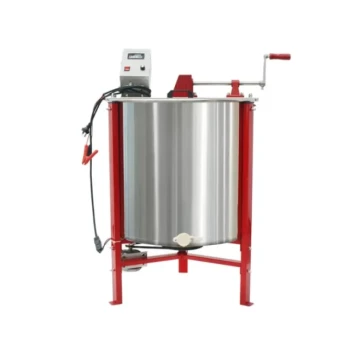
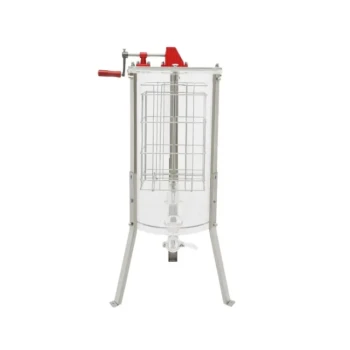
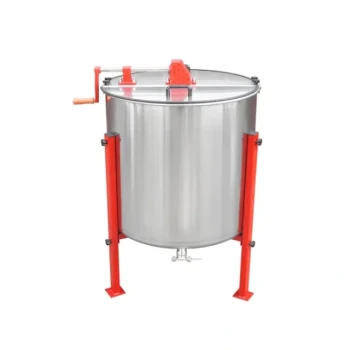
Physical isolation acts as the primary line of defense against contamination during honey extraction. Processing areas and extractors emit strong scents of honey and wax that act as powerful attractants to Small Hive Beetles (SHB); without strict physical barriers, these pests will rapidly infest machinery to lay eggs in unprocessed combs and residual honey.
By physically isolating extraction equipment from the outside environment, beekeepers neutralize the immediate threat of beetles infesting high-value consumables. This prevents larvae from introducing yeast that causes honey fermentation, securing both the machinery and the commercial viability of the product.
The Vulnerability of Processing Areas
The Scent Beacon
Honey extractors and processing rooms are not just mechanical spaces; they are aromatic beacons. During operation, they emit strong scents of honey and wax.
These odors travel and actively draw Small Hive Beetles from the surrounding environment toward your facility.
The Target for Reproduction
Once beetles gain access to the equipment, they do not just inhabit the space. They utilize it as a breeding ground.
Beetles will rapidly lay eggs in unprocessed combs waiting to be extracted or in the residual honey left within the machinery.
The Mechanism of Spoilage
Introducing Fermentation Agents
The physical presence of the beetle is only part of the problem. Beetle excrement contains specific yeasts that attack the chemical stability of honey.
Additionally, secretions from beetle larvae can trigger fermentation. This turns high-quality honey into a spoiled, fermented waste product that cannot be sold.
Contamination of Machinery
If beetles breed within the extractor, the equipment itself becomes a vector for contamination.
This requires rigorous cleaning to remove biological waste, eggs, and larvae, leading to significant economic losses due to downtime and labor.
Strengthening Defenses with Technology
Reducing Exposure Time
While physical isolation keeps beetles out of the room, automated processing equipment provides a second layer of defense.
Automated systems offer rapid extraction and airtight sealing, minimizing the time honey is exposed to the open air where contamination could occur.
Filtration and Sealing
Even with isolation, microscopic contaminants are a risk. High-efficiency filtration units can remove impurities, larval remains, or eggs before packaging.
Combined with high-quality sealing consumables, this ensures the final product maintains hygiene standards despite external pest pressure.
Critical Considerations and Trade-offs
Isolation is Not a "Set and Forget" Solution
Physical walls and screens are essential, but they are not a standalone cure. You must also manage the environmental conditions within the isolation area.
The Importance of Climate Control
If the processing room is warm and humid, it creates an ideal incubator for beetle eggs that may have already hitched a ride on honey frames.
To be truly effective, physical isolation must be paired with controlled temperature and humidity to inhibit breeding and egg hatching.
Making the Right Choice for Your Goal
To protect your harvest, you must view isolation as part of a wider system of hygiene and control.
- If your primary focus is preventing fermentation: Prioritize physical isolation combined with climate control to stop beetles from introducing yeast into the environment.
- If your primary focus is commercial hygiene standards: Integrate automated filling and high-efficiency filtration to remove any potential biological contaminants before bottling.
Ultimately, physical isolation is the critical barrier that separates a controlled food production environment from a pest-infested loss.
Summary Table:
| Protection Layer | Key Function | Benefit for Beekeepers |
|---|---|---|
| Physical Isolation | Screens & barriers | Blocks beetles attracted by honey/wax scents |
| Climate Control | Low temp & humidity | Inhibits beetle egg hatching & larval growth |
| Automated Machinery | Rapid, sealed processing | Minimizes honey exposure time to pests |
| Filtration Units | Removal of impurities | Eliminates larvae/eggs before final packaging |
Secure Your Honey Harvest with Professional-Grade Solutions
Don't let Small Hive Beetles ruin your commercial productivity. At HONESTBEE, we empower commercial apiaries and distributors with the robust infrastructure needed to maintain the highest hygiene standards.
Our comprehensive portfolio includes:
- Industrial Honey Extractors & Filling Machines: Designed for rapid processing and minimal exposure.
- High-Efficiency Filtration Systems: To ensure your honey is free from biological contaminants.
- Full-Spectrum Beekeeping Equipment: From hive-making machinery to essential industry consumables.
Whether you are scaling your extraction facility or supplying a regional market, our wholesale offerings provide the durability and precision required to combat pests and maximize yield. Contact HONESTBEE today to optimize your honey processing workflow!
References
- Michel Kokkinis. Small hive beetle [SHB], Aethina tumida. DOI: 10.12681/jhvms.15083
This article is also based on technical information from HonestBee Knowledge Base .
Related Products
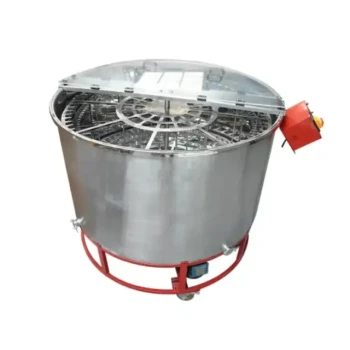
- HONESTBEE 72 Frame Industrial Electric Honey Extractor for Beekeeping
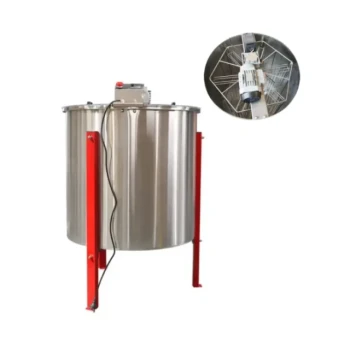
- Commercial Electric 12 Frame Honey Extractor Spinner Motorized Honey Extractor
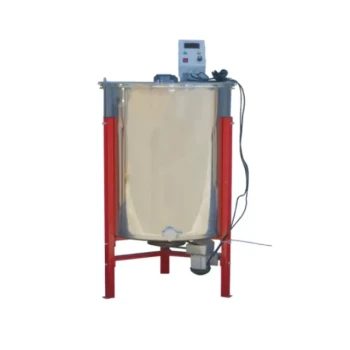
- HONESTBEE 6 Frame Self Reversing Electric Honey Extractor for Beekeeping
- HONESTBEE 3-Frame Manual Acrylic Honey Extractor
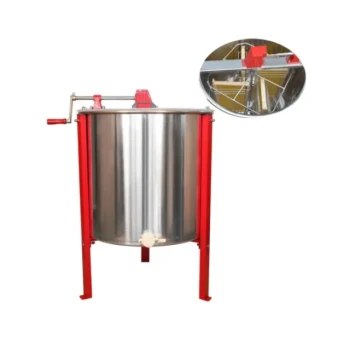
- Stainless Steel Manual 8 Frame Radial Honey Extractor Machine for Beehives
People Also Ask
- What is the importance of balancing honeycomb frames within a honey extractor? Ensure Stability and Protect Machinery
- How is honey separated from the frames after they are uncapped? Efficient Extraction Methods for High Yields
- What are the main benefits of using a honey extractor? Maximize Yields and Protect Your Honeycomb
- What are the recommended methods for removing honey from the honeycomb? Top Extraction Techniques for Maximum Efficiency
- How do manual honey extractors compare to electric honey extractors? Choosing the Right Tool for Your Apiary Growth