Sealing the hive body during a transfer is a critical determinant of colony survival. During the grafting or transfer process, applying a seal to the hive joints assists the bees in rapidly repairing their internal structures with wax and propolis. This immediate intervention accelerates the creation of a stable internal microclimate, prevents dangerous heat loss, and serves as a primary defense against robber bees.
The success of a stingless bee transfer relies on minimizing the colony's exposure to environmental stress. Sealing the hive creates an immediate barrier that stabilizes temperature and humidity while masking the scent of open stores, allowing the colony to focus on recovery rather than emergency defense.
The Critical Role of Microclimate Stability
Accelerating Establishment
When a colony is moved to an artificial hive, its natural climate control is disrupted. Sealing the joints helps the colony re-establish its internal environment much faster.
This assists the bees in their natural behavior of repairing the nest with wax and propolis, turning a wooden box into a functioning biological unit.
Preventing Heat Loss
Stingless bees require specific thermal conditions to thrive. Unsealed gaps allow heat to escape, forcing the bees to expend energy generating warmth.
A proper seal locks in heat, reducing the metabolic stress on the colony immediately after the trauma of a transfer.
Regulating Internal Humidity
Beyond temperature, the airtightness provided by sealing materials is vital for humidity control.
High-quality sealing ensures the hive retains the moisture levels necessary for the healthy development of larvae and the successful colonization of the swarm.
Defense Against Pests and Predators
Eliminating Scent Trails
During a transfer, honey and pollen volatiles (scents) are released. These volatiles act as a beacon for pests like the Small Hive Beetle.
High-precision sealing and tightly fitting components prevent these scents from leaking out, significantly reducing the likelihood of attracting beetles to the site.
Physical Exclusion
Gaps in the hive layers are open doors for parasitic pests, such as phorid flies, ants, and robber bees.
Sealing tape or materials used to hermetically close these gaps provide immediate physical isolation, preventing pests from entering to lay eggs in pollen pots or on the bottom boards.
Preventing Robbing
The primary reference highlights that sealing protects the colony specifically from robber bees.
Weakened by the transfer, a colony is vulnerable; a sealed hive limits entry points, making it easier for the colony to defend itself against intruders.
Energy Efficiency and Colony Focus
Redirecting Worker Energy
If a hive leaks light, air, or humidity, worker bees must waste energy on thermoregulation and patching gaps.
A well-sealed hive provides a stable environment, allowing workers to conserve energy and redirect their efforts toward foraging and brood care.
Enhancing Production Efficiency
When connections between hive components (like the topping box and brood chamber) are loose, bees prioritize sealing these gaps with propolis over building storage.
Eliminating excess space and ensuring tight seals guides worker bees to focus on building honey pots, thereby increasing overall honey production efficiency.
Common Pitfalls to Avoid
Balancing Air Exchange
While sealing is vital, the hive must not become a suffocating container. The colony requires "tidal" ventilation to manage carbon dioxide levels.
In artificial designs, this is often managed through material breathability or pre-set micro-vents that simulate natural rock or tree pores, preventing overheating while maintaining the seal against pests.
Inspection Without Disruption
Opening a hive to check on it breaks the seal and destroys the microclimate you worked to establish.
To mitigate this, use transparent plastic sheets under the wooden cover. This allows you to inspect activity and check for pests without compromising the thermal environment or creating air leaks.
Making the Right Choice for Your Goal
- If your primary focus is Colony Survival: Prioritize airtight sealing with tape to prevent phorid fly entry and heat loss during the critical first weeks post-transfer.
- If your primary focus is Honey Production: Ensure a high-precision fit between the brood chamber and topping box so bees build honey pots instead of wasting resources on sealing gaps.
By treating the seal as a structural component rather than an afterthought, you provide the stability the colony needs to transition from survival mode to thriving growth.
Summary Table:
| Key Benefit | Impact on Stingless Bee Colony |
|---|---|
| Microclimate Stability | Accelerates internal repair and prevents metabolic stress from heat loss. |
| Pest Exclusion | Blocks scent trails that attract Small Hive Beetles, phorid flies, and ants. |
| Energy Conservation | Allows workers to focus on foraging and brood care instead of patching gaps. |
| Robbing Prevention | Limits entry points to protect vulnerable colonies from aggressive robber bees. |
| Production Efficiency | Encourages bees to build honey pots rather than wasting propolis on structural leaks. |
Maximize Your Colony’s Success with HONESTBEE
At HONESTBEE, we understand that precision is the difference between a thriving apiary and a failed transfer. We provide commercial apiaries and distributors with high-performance beekeeping tools, specialized hive-making machinery, and essential consumables designed for a perfect fit. Whether you need professional-grade sealing materials or advanced honey-filling equipment, our comprehensive wholesale offering ensures your bees focus on production while we handle the hardware.
Empower your beekeeping business with our industry-leading solutions—contact us today for a wholesale quote!
References
- Nur Sjafani, Muhammad Ade Salim. PELATIHAN PEMELIHARAN LEBAH TRIGONA SPP DI DUSUN TUAKONA DESA KECAMATAN JAILOLO SELATAN KABUPATEN HALMAHERA BARAT. DOI: 10.53625/jabdi.v5i1.10510
This article is also based on technical information from HonestBee Knowledge Base .
Related Products
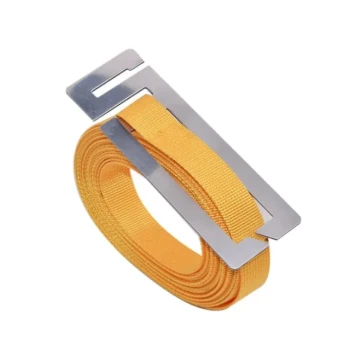
- Heavy-Duty Nylon Beehive Hive Strap with Stainless Steel Cinch Buckle
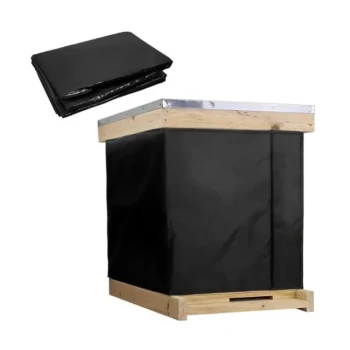
- Professional Insulated Winter Hive Wrap for Beekeeping
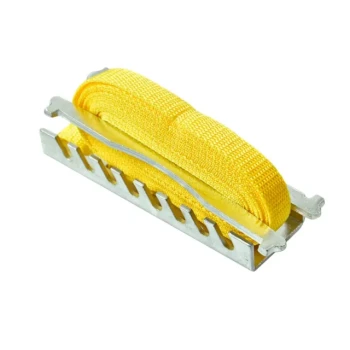
- Professional Galvanized Hive Strap with Secure Locking Buckle for Beekeeping
- Inner Beehive Cover for Beekeeping Bee Hive Inner Cover
- Stainless Steel Round Beehive Air Vents for Ventilation
People Also Ask
- What role do standardized beehive fastening and protective consumables play? Secure Colonies Against Natural Disasters
- How does the performance of ratchet straps compare to cam buckle straps for securing beehives? Expert Comparison Guide
- What is a good way to store hive straps to keep them organized? Master the Art of Tangle-Free Hive Transport
- What are the two main styles of hive straps? Choosing Between Cam Buckles and Ratchet Mechanisms for Your Apiary
- What are the two styles of hive straps? Choose the Right Strap for Your Hive Security