Low-abrasion protective netting is critical because it reduces the physical injuries and stress that honey bees can suffer when repeatedly contacting greenhouse or crop-covering netting. In commercial pollination, healthier bees are more likely to maintain normal foraging activity, colony strength, and pollination performance throughout the service period. The right netting therefore protects both bee welfare and the reliability of the crop-pollination operation.
Netting is part of the pollination environment, not merely a crop-protection accessory. A low-abrasion specification helps reduce avoidable bee injury, supports stable colony performance, and gives commercial operators a stronger basis for consistent pollination results.
Why Netting Choice Affects Pollination Performance
Repeated Contact Creates Mechanical Stress
Honey bees working inside enclosed crops may repeatedly collide with or brush against the netting as they navigate between flowers, hive entrances, and flight paths.
Rigid, rough, or poorly finished netting can contribute to body-hair breakage, cuticular wear, and other physical stress. Even when individual contacts appear minor, repeated exposure can increase the total burden on a colony.
Bee Condition Supports Foraging Capacity
A commercial hive must sustain sufficient worker activity across the crop cycle. Injured or stressed workers may be less effective at flying, grooming, thermoregulating, and gathering resources.
Low-abrasion netting helps preserve the physical condition of bees by reducing unnecessary contact damage. This supports the broader operational objective: maintaining a strong, active foraging population where pollination demand is highest.
Enclosed Crops Increase the Importance of the Barrier
In open-field conditions, bees have more space to adjust their flight paths. Greenhouses and net-covered crops create defined boundaries that may increase encounters with the covering, particularly around entrances, edges, crop rows, and areas with concentrated bee activity.
Because the barrier is continuously present, its surface quality matters. A net that is safe for occasional human handling may still be unsuitable for repeated bee contact at commercial scale.
The Relationship Between Abrasion and Bee Health
Physical Damage Can Weaken the Bee’s Protective Surface
The bee cuticle is a key physical barrier. Damage to the cuticle or loss of body hairs can interfere with normal protection and grooming, making physical stress more consequential than a simple surface scrape.
Low-abrasion materials are intended to reduce this type of avoidable damage through smoother construction, appropriate yarn characteristics, and a surface that is less harsh during contact.
Disease Claims Require Careful Interpretation
The primary reference connects cuticular damage with direct entry of Chronic Bee Paralysis Virus into the hemolymph and reports extremely high viral loads. That specific mechanism and the attribution of viral spikes to net abrasion alone should not be presented as established without direct supporting research.
The defensible conclusion is narrower: abrasion-related injury may increase physiological stress and could contribute to vulnerability, while CBPV transmission and disease severity depend on multiple factors, including colony condition, contact patterns, environmental conditions, and pathogen dynamics. Low-abrasion netting is a preventive risk-reduction measure, not a substitute for disease monitoring and apiary hygiene.
Prevention Is More Practical Than Corrective Action
Once a colony loses substantial worker strength, replacing bees or relocating colonies may not restore pollination performance quickly enough to protect the crop schedule.
Selecting suitable netting before installation is therefore commercially valuable. It addresses a controllable environmental factor at the procurement stage, when changing specifications is easier and less costly than correcting field problems later.
Why This Matters to Commercial Apiaries
Pollination Consistency Is the Core Service
Growers purchase pollination services for dependable bee activity during a defined flowering period. A colony that is weakened by injury, stress, or disease-related pressure may not deliver the expected coverage.
Low-abrasion netting supports service consistency by helping preserve the workforce the apiary has already deployed. It does not guarantee pollination outcomes, but it reduces one avoidable source of operational risk.
Colony Assets Need Protection
Commercial apiaries invest in queens, colonies, transport, feeding, labor, and seasonal management. Worker bees are productive biological assets, and preventable damage can reduce the value of that investment.
Protective netting should be evaluated as part of the apiary’s equipment and risk-management system, alongside hive placement, ventilation, access points, pesticide controls, and colony health procedures.
Reliable Materials Strengthen Customer Confidence
Distributors and B2B resellers can create value by supplying netting that is appropriate for both crop protection and pollinator welfare. Product knowledge is especially important when buyers are comparing materials that may look similar but differ in surface finish, flexibility, durability, and bee-contact behavior.
A well-supported specification helps wholesalers and resellers move beyond price-only discussions. It gives commercial apiaries a clear reason to select a higher-quality product.
What Distributors Should Evaluate
Surface Characteristics
The net should have a construction and finish that minimize sharp, rough, or highly abrasive contact points. Product documentation should explain the material, yarn structure, edge treatment, and intended use in bee-accessible environments.
Where possible, suppliers should provide samples for practical assessment before a large installation. Testing should consider how the net behaves under tension, at seams, around openings, and after prolonged outdoor exposure.
Strength and Flexibility
Low abrasion does not mean the net can be soft at the expense of durability. Commercial installations require adequate tensile strength, dimensional stability, and resistance to handling and weather conditions.
The best specification balances bee safety, crop protection, service life, and installation practicality. A fragile net can create new risks through tears, sagging, or repeated repairs.
Supply and Fulfillment Capability
For seasonal pollination work, late delivery can affect installation schedules and crop access. B2B buyers should assess stock availability, response times, order accuracy, packaging, and the supplier’s ability to fulfill repeat or urgent orders.
A one-stop supplier with a broad product portfolio can simplify procurement when apiaries need netting, related accessories, replacement quantities, or different specifications for multiple crop environments.
Understanding the Trade-offs
Lower Abrasion May Increase Material Cost
Specialized netting can cost more than standard products because of its material selection, manufacturing controls, or finishing. The relevant comparison is not only purchase price, but also the potential cost of weakened colonies, replacement material, labor, and inconsistent service delivery.
A premium product is justified when its performance characteristics match the biological and commercial demands of the installation.
No Netting Eliminates All Bee Risk
Even low-abrasion netting can cause problems if it is poorly installed. Loose sections, damaged edges, narrow access points, inadequate ventilation, and confusing hive entrances can increase collisions or trap bees.
Netting selection must therefore be combined with sound layout, tensioning, inspection, and maintenance procedures.
Disease Prevention Requires More Than a Barrier
Netting cannot replace colony-health surveillance, appropriate hive management, sanitation, or responsible pesticide coordination. CBPV and other bee-health problems should be managed through a broader apiary health program.
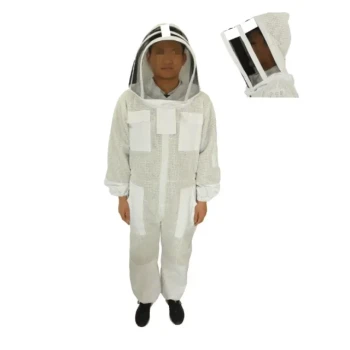
Similarly, protective clothing remains important for personnel conducting inspections or pest-control work. A secure physical barrier helps operators work calmly and precisely, reducing the chance that fear or sudden movements will disturb the colony.
Product Claims Should Match Evidence
Suppliers should avoid presenting low-abrasion netting as a guaranteed cure or as definitive protection against CBPV. Clear claims about reducing mechanical damage and supporting bee welfare are more credible and easier for professional buyers to evaluate.
Technical transparency builds longer-term trust with apiaries, growers, and resellers.
Making the Right Choice for Your Goal
The specification should reflect both the biological needs of the bees and the commercial requirements of the service.
- If your primary focus is bee welfare: Select netting with a demonstrably smooth, low-abrasion surface and inspect seams, edges, tension, and damaged areas before bees are introduced.
- If your primary focus is pollination consistency: Prioritize a balanced specification that protects bees while providing adequate strength, stability, ventilation, and reliable access to the crop.
- If your primary focus is distribution value: Offer documented product specifications, samples, responsive technical support, and a full range of compatible netting and installation products.
- If your primary focus is order fulfillment: Work with suppliers that can provide dependable stock, rapid quotations, accurate packing, and fast delivery during time-sensitive pollination seasons.
Choosing low-abrasion protective netting is a practical investment in healthier colonies, more dependable pollination services, and stronger commercial outcomes.
Summary Table:
| Factor | Impact on Bees | Why It Matters |
|---|---|---|
| Surface Roughness | Causes body-hair breakage, cuticular wear, and stress | Repeated contact can weaken bees and reduce foraging efficiency |
| Material Flexibility | Affects collision severity | Softer materials reduce injury risk without compromising durability |
| Tensile Strength | Ensures netting integrity | Prevents tears that could lead to bee entrapment or crop damage |
| Weather Resistance | Maintains surface quality over time | Degradation can increase abrasiveness and create new hazards |
| Installation Quality | Affects tension and access points | Poorly installed netting can cause collisions or trap bees |
Protect your colonies and pollination service reliability with low-abrasion netting from HONESTBEE. As a comprehensive wholesale supplier to commercial apiaries and distributors, we offer a full spectrum of beekeeping tools and equipment, including specialized protective netting. Our one-stop sourcing, rapid response, and certified quality ensure you get the right product for your operational needs. Contact us now to discuss your specifications and secure dependable supply for the upcoming season. Contact us today — let’s build a resilient pollination program together.
Related Products
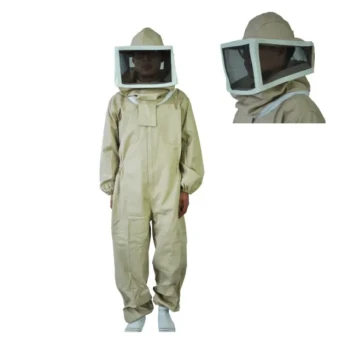
- Professional Beekeeper Suit with Square Folding Cotton Veil
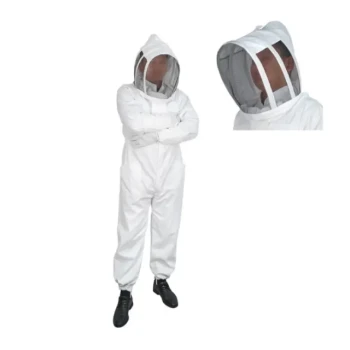
- Premium Cotton Beekeeper Suit with Reinforced Fencing Veil
- Nylon Honey Strainer Square Filter Cloth for Honey Filters
- Professional Square Folding Wire Mesh Beekeeping Veil
- Professional Dual Action Queen Excluder Scraper for Beekeeping
People Also Ask
- What material and design specifications are recommended for a high-quality beekeeper suit? Top Gear Selection Guide
- Why is mobility crucial when wearing a beekeeping suit? Essential Fit Guide for Optimal Safety and Performance
- How should a beekeeping suit be dried after it has been cleaned? Essential Tips to Preserve Your Protective Gear
- What are the preparatory steps before washing a beekeeping suit? Maintain Peak Safety and Durability
- What substances can accumulate on a beekeeping suit over time? A Guide to Hive Contaminants