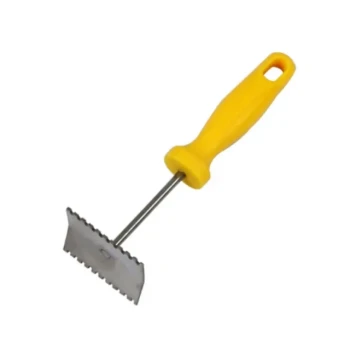
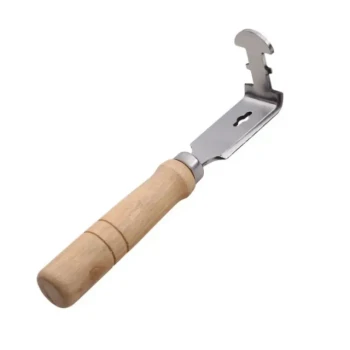
Specialized brood removal equipment and biological techniques are critical because the vast majority of conventional chemical treatments cannot penetrate the protective wax cappings of sealed honeybee brood cells. Without these physical interventions, mites reproducing safely inside these cells remain untouched by surface-level treatments, leaving a significant portion of the parasite population free to reproduce.
By physically targeting mites within sealed cells, these techniques bridge the gap where chemical treatments fail. This approach not only lowers immediate mite counts but also counteracts the evolutionary pressure that creates highly virulent, chemical-resistant mite strains.
The Physical Barrier Problem
The Limit of Chemical Treatments
Most chemical treatments rely on contact or vapor to kill mites. However, once a mite enters a brood cell and the bees seal it with a wax capping, that mite is effectively shielded from these treatments.
The "Safe House" Effect
Because chemicals cannot breach the wax seal, the colony's sealed brood acts as a reservoir for the mite population. Even after a chemical application, mites emerging from these cells can quickly re-infest the colony, rendering the treatment less effective over time.
The Evolutionary Implication
Counteracting Evolutionary Pressure
Relying solely on chemicals creates a selection pressure that favors mites with specific survival traits. Over time, this can lead to the evolution of highly virulent mite strains that possess shorter phoretic periods (the time spent riding on adult bees) or accelerated reproduction cycles.
Balancing Parasitic Dynamics
Specialized biological techniques, such as brood breaks or removal, physically intercept these mites regardless of their chemical resistance. By increasing the mortality rate of mites within the sealed cells, you prevent the development of super-variants and maintain a more balanced, manageable parasitic dynamic within the hive.
Strategic Targeting and Diagnosis
Leveraging Mite Preferences
Varroa mites exhibit a biological preference for reproducing in drone brood (male bee larvae). Specialized equipment, such as drone brood frames or foundationless frames, exploits this trait by guiding the colony to concentrate drone production in specific, removable areas.
Non-Chemical Population Reduction
Once these specialized frames are capped, they contain a disproportionately high number of the colony's mites. By physically removing these frames before the drones emerge, beekeepers can significantly reduce the reproductive baseline of the mite population without adding chemicals to the hive.
Precision Diagnostics
Accurate management requires accurate data. Specialized tools like uncapping forks and tweezers are necessary to surgically open cells and extract pupae. This allows for the inspection of hidden infections and the evaluation of mite reproductive potential without destroying the sample or masking the severity of the infestation.
Understanding the Trade-offs
Increased Labor Intensity
Unlike "set and forget" chemical strips, brood removal and biological breaks require precise timing and physical labor. You must manage the frames on a strict schedule to remove them before mites emerge; missing this window can actually increase the mite population.
Disruption to Colony Resources
Removing drone brood does reduce the colony's investment in biological resources (protein and energy used to rear the larvae). While usually acceptable, excessive removal without assessing colony strength can strain a weak hive.
Making the Right Choice for Your Goal
To effectively implement these techniques, match the equipment to your specific management objective:
- If your primary focus is Reducing Chemical Dependence: Prioritize specialized drone frames to mechanically trap and remove mites during their reproductive phase.
- If your primary focus is Accurate Infestation Assessment: Invest in high-quality uncapping tools and tweezers to inspect sealed brood and determine if "hidden" mites are driving your numbers up.
True integrated pest management requires looking beyond the mites you can see to control the ones hiding beneath the wax.
Summary Table:
| Technique/Tool | Primary Benefit | Why It Is Essential |
|---|---|---|
| Drone Brood Frames | Mechanical Mite Trapping | Exploits mite preference for drone larvae to remove them before emergence. |
| Uncapping Forks/Tweezers | Precision Diagnostics | Allows for surgical inspection of sealed cells to detect hidden infestations. |
| Biological Brood Breaks | Interrupts Life Cycle | Stops mite reproduction in phases where chemical treatments cannot reach. |
| Integrated Management | Reduces Chemical Resistance | Prevents the evolution of virulent mite strains by using physical interventions. |
Scale Your Apiary Success with HONESTBEE Solutions
Effective Varroa management requires the right tools to protect your honeybee colonies. HONESTBEE caters to commercial apiaries and distributors with a comprehensive wholesale offering designed for efficiency and durability.
Whether you need specialized hardware like hive-making and honey-filling machines, or essential beekeeping tools and consumables for brood management, we provide the full spectrum of equipment to keep your operations thriving.
Ready to upgrade your inventory? Contact us today to discover how our high-quality equipment and honey-themed merchandise can add value to your business.
References
- Francesco Nazzi. Commentary: Engineered symbionts activate honey bee immunity and limit pathogens. DOI: 10.3389/fevo.2020.538520
This article is also based on technical information from HonestBee Knowledge Base .
Related Products
- Double Row Artificial Fiber Bee Brush for Beekeeping
- Classic Wooden Bee Brush with Double-Row Boar Bristles
- Commercial Grade Vertical Electric Bee Sweeper for Bee Removal
- Wide Adjustable Stainless Steel Honey Uncapping Fork with Scraper
- Wooden Bee Brush with Triple Row Artificial Fiber for Beekeeping
People Also Ask
- What specific function does a professional beekeeping brush serve during the honey harvesting process? Enhance Hive Health
- What are the key features of a popular bee brush? Essential Design for Bee Safety and Hive Hygiene
- Why is a bee brush necessary when extracting honeybee hive frames that contain larvae? Protect Your Brood and Colony
- What is the correct way to use a bee brush and what actions should be avoided? Master Gentle Hive Management
- What is a bee brush and what is it used for? Master Precision Bee Removal with Gentle Sweeping Techniques