Specialized equipment is fundamentally necessary to harvest honey and high-value by-products—such as propolis, beeswax, and bee venom—without destroying the structural integrity of the colony. These machines employ precise physical separation techniques to remove impurities while maximizing the retention of natural active ingredients, ensuring the final product meets commercial purity standards and retains its market value.
By automating the delicate balance between purification and preservation, industrial-grade equipment transforms raw hive materials into export-ready commodities. It is the only reliable method to scale production, ensure food safety compliance, and capture the full economic value of the hive.
Preserving Biological Integrity and Quality
Retention of Active Ingredients
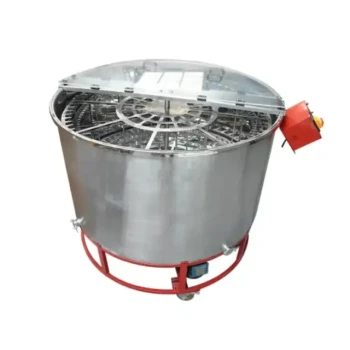
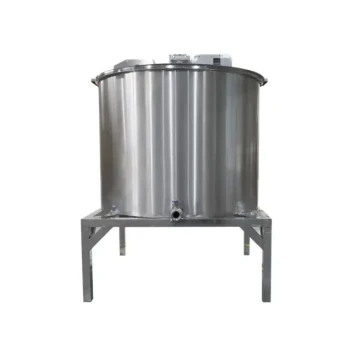
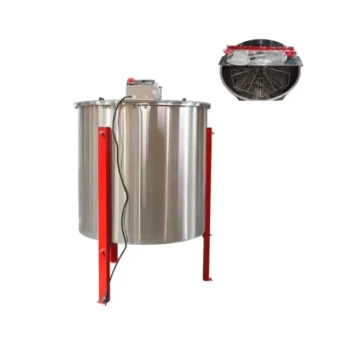
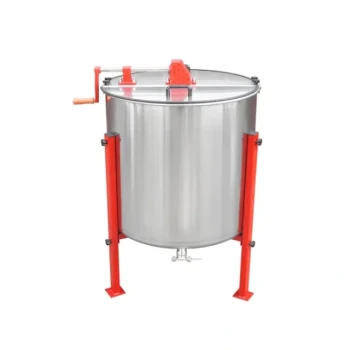
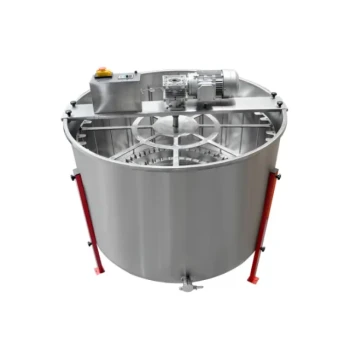
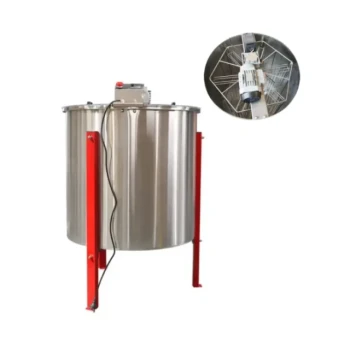
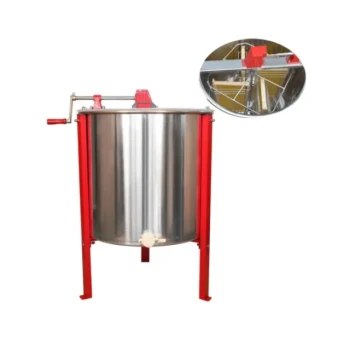
The primary function of specialized processing is to separate valuable materials from the hive without degrading them. Equipment such as centrifugal extractors and filtration systems uses physical means to harvest products while retaining natural nutrients and enzyme values.
Achieving Commercial Purity
Raw honey often contains beeswax residues, larval remains, and other physical debris that compromise quality. Industrial-grade filtration utilizes fine-filtration technology to thoroughly remove these impurities. This ensures the clarity and transparency required for high-end markets.
Protecting the Colony Structure
Unlike destructive traditional harvesting, modern extractors allow for the removal of honey without damaging the beeswax comb. This preservation is critical as it allows the colony to reuse the structure, reducing the energy bees must spend rebuilding and focusing their effort on production.
Operational Efficiency and Standardization
Handling Volume and Viscosity
Different honey varieties exhibit different physical properties, particularly regarding thickness. Professional extractors provide stable rotation speeds tailored to these viscosities, ensuring efficient centrifugation. This is particularly vital for high-productivity strains like Africanized honeybees, where equipment must handle large volumes and high viscosity rapidly during short blooming seasons.
Automation and Scaling
For regions with lower raw honey output, the viability of the business relies on processing efficiency rather than just volume. Integrating automated filling machines allows beekeepers to transform raw material into standardized commercial products. This mechanization increases production speed, reduces labor costs, and minimizes material loss.
Meeting Export Standards
To enter international markets, honey must meet rigorous sanitary and sensory standards. Specialized equipment supports closed operations that reduce environmental contamination risks. This level of control is a prerequisite for obtaining food safety certifications and meeting export regulations.
Understanding the Trade-offs
Traditional vs. Industrial Purity
While traditional harvesting methods involve lower upfront costs, they frequently result in significant purity issues that limit market access. Relying on manual extraction often leaves behind residues that spoil the aesthetic and chemical quality of the honey.
Complexity and Investment
Transitioning to industrial-grade equipment introduces a need for capital investment and technical management. However, this is balanced by the ability to perform accurate unit product cost accounting and the creation of diversified economic opportunities within the value chain.
Making the Right Choice for Your Goal
To maximize the potential of your apiculture operations, align your equipment choices with your specific business objectives:
- If your primary focus is entering international markets: Prioritize high-grade filtration systems that remove all physical impurities to ensure clarity and meet strict export standards.
- If your primary focus is colony health and sustainability: Invest in centrifugal extractors with variable speeds to harvest honey without damaging the comb structure, allowing for immediate reuse by the bees.
- If your primary focus is scaling commercial production: Integrate automated filling machines to standardize dosing, reduce labor costs, and handle high-viscosity products efficiently.
Invest in the right processing technology to turn raw hive potential into a stable, high-value commercial reality.
Summary Table:
| Feature | Key Benefit | Business Impact |
|---|---|---|
| Centrifugal Extraction | Protects active ingredients & comb structure | Higher market value & colony sustainability |
| Fine-Filtration | Removes debris, larvae, and beeswax residues | Ensures clarity for premium & export markets |
| Variable Speed Control | Handles diverse honey viscosities efficiently | Maximizes yield from various bee strains |
| Automated Filling | Standardizes dosing & reduces manual labor | Lowers unit costs & enables mass scaling |
| Closed Operations | Minimizes environmental contamination | Ensures food safety & regulatory compliance |
Elevate Your Apiculture Business with HONESTBEE
Transitioning from traditional methods to industrial-grade processing is the key to capturing the full economic value of your hive. At HONESTBEE, we cater specifically to commercial apiaries and distributors with a comprehensive wholesale offering designed to streamline your production and guarantee export-ready quality.
Our portfolio includes everything you need to succeed:
- Specialized Machinery: From hive-making to precision honey-filling machines.
- Extraction Tools: High-efficiency centrifugal systems that preserve colony integrity.
- Industry Consumables: A full spectrum of beekeeping tools and essential consumables.
- Cultural Merchandise: Unique honey-themed products to diversify your brand.
Ready to scale your operations and meet global standards? Let our experts provide the hardware and equipment you need to turn raw potential into a high-value commercial reality.
Contact HONESTBEE Today for Wholesale Solutions
References
- Rustama Saepudin. Sustainability Analisys and The Effect Of Honeybee-Coffee Plantation Integration Model On Improving. DOI: 10.22437/jiiip.v17i1.2254
This article is also based on technical information from HonestBee Knowledge Base .
Related Products
- HONESTBEE 72 Frame Industrial Electric Honey Extractor for Beekeeping
- 32 Frame Commercial Electric Honey Extractor for Beekeeping and Honey Production
- Commercial Electric 12 Frame Honey Extractor Spinner Motorized Honey Extractor
- 8-Frame Electric Self-Reversing Honey Extractor Spinner for Commercial Honey Extraction Equipment
- Commercial 48-Frame Stainless Steel Honey Extractor
People Also Ask
- What is the importance of balancing honeycomb frames within a honey extractor? Ensure Stability and Protect Machinery
- How is honey separated from the frames after they are uncapped? Efficient Extraction Methods for High Yields
- What are the main benefits of using a honey extractor? Maximize Yields and Protect Your Honeycomb
- What are the recommended methods for removing honey from the honeycomb? Top Extraction Techniques for Maximum Efficiency
- How do manual honey extractors compare to electric honey extractors? Choosing the Right Tool for Your Apiary Growth