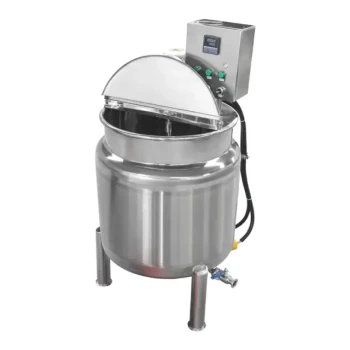
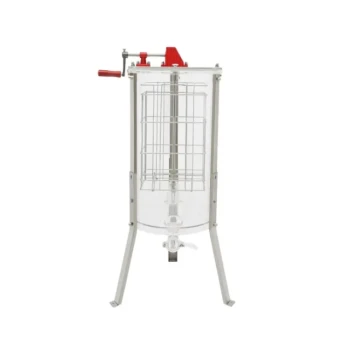
Specialized processing and filtration equipment is required because pressed wild honeycombs release far more than honey. Pressing introduces pollen, wax, dust, bee fragments, and brood fluids into the liquid, making the honey cloudy, unstable, and vulnerable to rapid quality deterioration. Proper equipment removes these contaminants through controlled settling, staged filtration, and clarification without excessive heating that could damage natural enzymes such as diastase and invertase.
Pressed wild honey must be treated as a highly variable raw material, not as a finished food product. Temperature-controlled settling tanks, coarse-to-fine stainless steel strainers, and centrifugal clarifiers help transform it into a cleaner, more stable, commercially consistent product while preserving its natural qualities.
Why Pressed Wild Honey Requires More Processing
Pressing Releases Extraneous Material
Unlike cleaner extraction methods, pressing forces honey out of the entire comb structure. The resulting liquid may contain wax particles, pollen grains, fine dust, propolis residues, bee fragments, and brood-related material.
These materials affect appearance, texture, and storage stability. Manual straining may remove larger debris but usually cannot deliver the consistent purity and clarity expected in commercial supply chains.
Raw Honey Can Deteriorate Quickly
Freshly pressed honey can retain suspended solids and excess air, causing cloudiness and sedimentation. Brood fluids and other organic matter may also accelerate quality changes during storage.
Prompt post-harvest handling is therefore important. Settling, filtration, and clarification reduce the material that can contribute to instability and help preserve the product until it reaches the buyer or processing facility.
Natural Enzymes Must Be Preserved
Wild honey naturally contains beneficial enzymes, including diastase and invertase. These components are vulnerable to unnecessary heat exposure.
Specialized equipment allows processors to manage temperature while removing impurities. The objective is not simply to make the honey look clear, but to improve its commercial quality without overheating or degrading its natural composition.
How Specialized Equipment Improves the Product
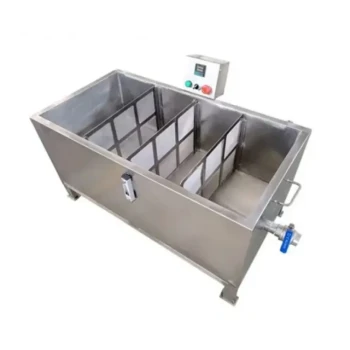
Temperature-Controlled Settling Tanks
Settling tanks give heavier particles time to separate from the honey before finer filtration. Temperature control helps manage viscosity so the honey can move and clarify without requiring excessive heat.
This is particularly useful for thick honey, which can be difficult to filter efficiently. Proper tank design also supports more consistent batch handling for wholesalers and resellers.
Coarse-to-Fine Filtration
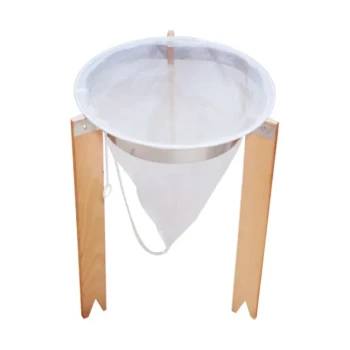
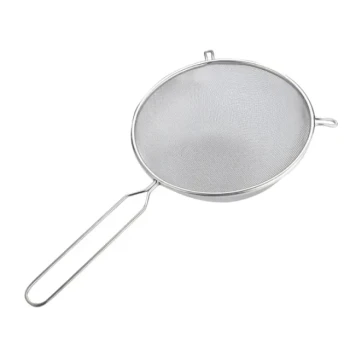
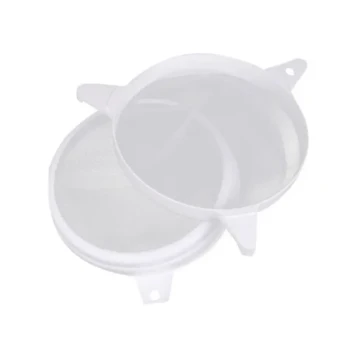
A staged filtration system uses progressively finer barriers. Coarse screens remove larger wax and comb fragments first, while finer stainless steel mesh captures smaller suspended particles.
This approach protects downstream equipment from clogging and produces a more uniform final product. It also provides better control than relying on a single filter with one pore size.
Centrifugal Clarification
Centrifugal clarifiers use controlled rotational force to separate suspended solids and trapped bubbles from liquid honey. This can improve visual clarity and reduce the amount of sediment that settles during storage.
For commercial operators, clarification supports a more consistent appearance across batches. That consistency matters when honey is sold under a standardized product specification.
Moisture and Storage Control
Filtration alone does not determine shelf life. Where raw honey has elevated moisture, specialized concentration or dehydration equipment may be needed to reduce the risk of fermentation and spoilage.
Storage tanks must also support hygienic handling and protect the processed honey from renewed environmental contamination. The complete post-harvest system is more important than any individual machine.
Why Processing Quality Matters Commercially
Clarity Influences Market Acceptance
Buyers often judge honey first by its appearance. Excessive debris, bubbles, or sediment can make a product appear poorly handled even when its origin and flavor are valuable.
Controlled filtration improves visual consistency, smoothness, and perceived purity, helping wild honey meet the presentation standards of higher-value markets.
Consistency Supports Wholesale Trade
Wild honey varies naturally by location, season, botanical source, viscosity, and crystallization behavior. Without standardized processing, two batches from the same supplier may differ substantially in appearance and handling characteristics.
Professional equipment helps distributors and wholesalers offer repeatable specifications. That improves order fulfillment, customer confidence, and the ability to serve different buyers from one product portfolio.
Equipment Can Be Matched to Honey Characteristics
Honey varieties differ in viscosity and crystallization rate. High-viscosity honey may require stronger filtration capacity, while honey that crystallizes readily may benefit from temperature-controlled stirring and handling.
Selecting equipment according to the honey’s physical properties reduces processing bottlenecks. It also helps preserve the qualities that support differentiated pricing.
Professional Processing Supports Market Requirements
Commercial buyers may require defined standards for cleanliness, clarity, storage stability, and product consistency. Export and food-safety programs can also impose requirements for hygienic processing and moisture control.
A properly specified processing line gives suppliers better control over these variables. For distributors and B2B resellers, that control is part of the product’s value, alongside fast fulfillment and responsive technical support.
Understanding the Trade-offs
Excessive Heating Can Reduce Quality
Heating honey may lower its viscosity and make filtration faster, but excessive or poorly controlled heat can damage natural enzymes and reduce the value of a minimally processed product.
The better approach is precise temperature management based on the honey’s viscosity and crystallization behavior. Equipment should improve flow without treating heat as a substitute for proper filtration design.
Finer Filtration Is Not Always Better
Very fine filtration can improve clarity, but it may also remove more naturally occurring particles and increase pressure, energy use, and maintenance requirements. The target specification should determine the filtration level.
Processors selling a premium wild honey may need to balance attractive clarity with the desired degree of natural character. A staged system makes that balance easier to manage.
Manual Processing Has Limited Repeatability
Manual collection and basic straining can be practical for small volumes, but results depend heavily on operator technique and local conditions. Batch-to-batch variation becomes more visible as order volumes increase.
For commercial supply, specialized equipment provides more predictable throughput and quality. It also reduces the operational burden of repeatedly handling sticky, particulate-rich raw honey.
One Machine Does Not Solve Every Problem
Pressed honey may require settling, filtration, clarification, moisture control, and hygienic storage. Purchasing only a fine filter, for example, may create clogging and fail to address sediment, bubbles, or excess moisture.
A complete equipment assessment should consider the raw honey’s contamination level, viscosity, throughput, target clarity, packaging format, and storage requirements.
Making the Right Choice for Your Goal
The appropriate system depends on the raw material and the market specification rather than on equipment capacity alone.
- If your primary focus is premium clarity: Use temperature-controlled settling, staged stainless steel filtration, and centrifugal clarification to produce a clean, visually consistent honey while limiting heat exposure.
- If your primary focus is shelf life: Combine hygienic handling with moisture measurement and, where necessary, controlled concentration or dehydration to reduce fermentation and spoilage risks.
- If your primary focus is wholesale consistency: Specify equipment around repeatable throughput, filtration performance, batch control, and storage conditions so different harvests can meet the same customer requirements.
- If your primary focus is diverse honey varieties: Choose modular equipment with adjustable temperature, filtration, and flow controls to accommodate differences in viscosity and crystallization.
- If your primary focus is efficient sourcing: Work with a supplier able to provide the full processing chain, technical product matching, responsive service, and coordinated delivery rather than isolated machines.
With the right post-harvest system, pressed wild honey can retain its natural value while achieving the purity, stability, consistency, and market readiness required for professional trade.
Summary Table:
| Challenge | Solution | Benefit |
|---|---|---|
| Impurities from pressing (wax, pollen, etc.) | Staged filtration with coarse-to-fine mesh | Improved clarity and purity |
| Cloudiness and sedimentation | Temperature-controlled settling tanks | Enhanced stability and appearance |
| Enzyme degradation | Controlled temperature management | Preserved natural enzymes |
| Inconsistent batch quality | Centrifugal clarification | Uniform product for commercial sale |
| Moisture-related spoilage | Dehydration/concentration equipment | Extended shelf life |
Ensure your pressed wild honey meets commercial standards with HONESTBEE's complete processing line. From settling tanks to centrifugal clarifiers, we provide the full spectrum of beekeeping equipment tailored to your needs. For distributors and B2B resellers, our one-stop sourcing guarantees rapid response, OEM/ODM support, and certified quality. Contact us today to streamline your processing and boost profitability.
Related Products
- Electric Double Wall Honey Filtering Machine Purifier Equipment for Honey Processing Plant
- Honey Concentrating and Filtering Dehumidifier Machine 2T Capacity for Honey
- 0.5T Capacity Honey Dehumidifier Dryer with Vacuum Heating and Thickening Filtering Machine
- Professional Stainless Steel Honey Filtering Machine with Water Bath Heating for Beekeeping
- Automatic Honey Filling and Filtering Machine for Beekeeping Bottle Filling
People Also Ask
- What is the process of filtering honey? A Guide to Clean, Pure, and Market-Ready Honey
- What types of equipment are used in honey filtering? Build an Efficient System for Pure, Marketable Honey
- What is the overall importance of using the right equipment in honey filtering? Boost Quality & Marketability
- What steps are involved in maintaining honey filtering equipment? A Guide to Protecting Your Honey Quality
- What role do professional honey harvesting and filtering equipment play in meeting honey market quality standards? Boost ROI