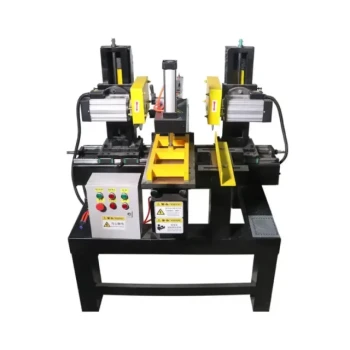
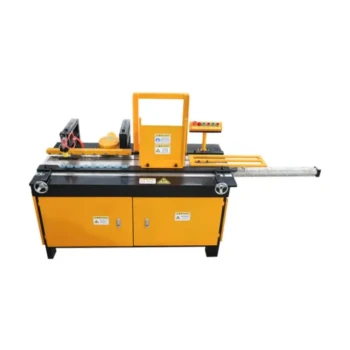
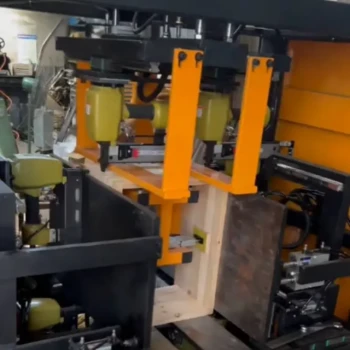
Standardized hive manufacturing machinery is the backbone of scalable commercial beekeeping because it ensures absolute component compatibility through high-precision fabrication. By producing wooden or polymer parts with uniform specifications, these machines allow apiaries to execute modular, rapid assembly. This consistency is the only way to effectively manage the logistics of colony restocking and expansion without incurring prohibitive labor costs or operational bottlenecks.
The Bottom Line: In commercial apiaries, a lack of component uniformity creates immediate logistical failure points during growth phases. Standardized machinery eliminates this risk by creating a "physical foundation" of interchangeable parts, allowing you to scale operations up or down instantly while minimizing unit maintenance costs.
Driving Efficiency Through Interchangeability
The primary value of standardized machinery lies in its ability to produce components that are universally compatible. This addresses the deep operational need for speed and flexibility in large-scale environments.
Modular Rapid Assembly
When an apiary enters a phase of expansion—often driven by improved harvest yields or nutritional optimization—the demand for new housing is immediate.
Machinery with high-precision cutting capabilities allows staff to assemble new hives rapidly. Because every joint and dimension is identical, there is no time wasted on fitting or modifying ill-fitting parts.
Streamlined Maintenance and Repair
Commercial operations cannot afford custom repairs for individual hives. Standardized manufacturing ensures that a broken frame or box can be swapped instantly with a spare from inventory.
This interchangeability significantly reduces the labor time per unit required for routine inspections and maintenance. It transforms hive repair from a skilled carpentry task into a simple logistical swap.
Enhancing Hive Integrity and Durability
Beyond logistics, the precision of automated machinery directly impacts the biological health of the colony and the lifespan of the equipment.
Precision Sealing and Pest Defense
Manual manufacturing often results in slight irregularities that create gaps in the hive structure. Specialized machinery ensures precise and uniform dimensions, creating tight seals upon assembly.
This structural integrity is critical for defending against physical pest invasions, such as the Small Hive Beetle. A well-sealed, standardized hive supports the colony's ability to maintain its own environment.
Supporting Nomadic Beekeeping
For apiaries that practice migratory beekeeping, equipment is frequently moved and exposed to diverse climates, leading to significant wear and tear.
Standardized machinery enables the creation of repair depots (logistics bases) where damaged components can be quickly fixed or replaced using identical stock. This keeps the fleet operational despite the physical stress of transport.
Understanding the Operational Trade-offs
While standardized machinery is essential for scale, it introduces specific constraints that operation managers must acknowledge.
High Initial Capital vs. Long-Term Savings
Implementing industrial-grade machinery requires a significant upfront investment compared to manual construction or purchasing inconsistent third-party supplies.
However, this cost is offset by the reduction in long-term operational costs. The savings come from reduced labor, lower replacement rates due to better durability, and the elimination of wasted materials.
Commitment to Specific Dimensions
Standardization requires rigid adherence to a specific set of specifications. Once an apiary commits to a specific machine setting and component standard, shifting to a different hive style becomes logistically difficult.
You are effectively "locking in" your infrastructure. Therefore, the initial choice of dimensions must be biologically appropriate for your specific bee species and regional climate.
Making the Right Choice for Your Goal
Standardization is not a luxury for commercial operations; it is a prerequisite for stability. Use the following guide to align your machinery choice with your operational focus.
- If your primary focus is Rapid Colony Expansion: Prioritize machinery that offers high-volume output to meet immediate housing needs during harvest peaks.
- If your primary focus is Migratory/Nomadic Beekeeping: Focus on machinery that ensures high structural rigidity and precision sealing to withstand transport and prevent pest intrusion.
- If your primary focus is Cost Reduction: Select machinery that maximizes material yield and interchangeability to lower the unit maintenance cost over the equipment's lifecycle.
By securing a source of precisely manufactured, standardized components, you transform your hive equipment from a variable liability into a reliable, scalable asset.
Summary Table:
| Operational Benefit | Impact on Commercial Apiaries | Why it Matters |
|---|---|---|
| Interchangeability | Rapid assembly & modular repairs | Eliminates downtime during colony expansion. |
| High Precision | Tight seals and uniform dimensions | Enhances pest defense (e.g., Small Hive Beetle). |
| Structural Rigidity | Durable, standardized components | Critical for the stress of migratory beekeeping. |
| Cost Optimization | Reduced labor & material waste | Lower long-term maintenance & unit costs. |
Scale Your Apiary Operations with HONESTBEE
Transition from manual limitations to industrial efficiency. HONESTBEE provides commercial apiaries and distributors with the high-precision hive-making and honey-filling machinery needed to maintain 100% component compatibility.
Whether you are restocking colonies or expanding your reach, our comprehensive wholesale offering—including specialized hardware and essential industry consumables—is designed to lower your labor costs and maximize hive durability.
Ready to build a scalable foundation for your beekeeping business?
Contact HONESTBEE Today to explore our full spectrum of tools and equipment.
References
- Krzysztof Różański. Aspectos jurídicos del apoyo a la actividad de la apicultura a la luz del derecho de la Unión Europea y de determinados estados miembros. DOI: 10.17561/rej.n21.6771
This article is also based on technical information from HonestBee Knowledge Base .
Related Products
- High-Efficiency Pneumatic Bee Hive Making Machine for Rapid Box Assembly
- Beehive Machine Double End Saw for Precision Hive Component Manufacturing
- Beehive Handle and Frame Rest Cutting Machine: Your Specialized Hive Machine
- Mini Desktop Bee Hive Frame Forming Making Machine
- Automatic High-Speed Bee Hive Box Stapling Machine
People Also Ask
- How does the introduction of professional beehive-making machinery benefit sustainable beekeeping? Scale Your Apiary
- Why is specialized beehive-making machinery critical for low-defense breeding? Enhance Selection with Precision Tools
- How does the introduction of specialized beehive making machinery contribute to increasing the scale of regional beekeeping industries?
- What is the importance of specialized beehive making machinery in a circular bio-economy? Build Local Sustainability
- Why is specialized beehive-making machinery essential? Scale Your Apiary with Precision Industrial Standards