The resilience of Paenibacillus larvae endospores demands extreme measures. Specialized destruction or disinfection processes are necessary because these bacterial spores are incredibly hardy, capable of surviving on hive components for decades, making standard cleaning methods ineffective at breaking the chain of transmission.
Conventional cleaning cannot penetrate deep enough to kill Paenibacillus larvae spores, which can remain viable on equipment for decades. Specialized combustion or high-temperature immersion is required to completely eliminate these reservoirs and prevent catastrophic spread within the apiary.
The Nature of the Threat
The primary reason beekeepers cannot rely on standard sanitation for American Foulbrood (AFB) lies in the biological structure of the pathogen.
Decades of Dormancy
Paenibacillus larvae produces bacterial endospores that are not merely surface contaminants. These spores act as long-term reservoirs for the disease, capable of surviving on wooden frames, hives, and tools for decades.
Inadequacy of Surface Cleaning
Because the spores can hide within the texture of wood and equipment crevices, scrubbing or mild chemical washes often fail to reach them. If the spores are not totally eliminated, re-introduction of bees to the equipment will restart the infection cycle immediately.
Mechanisms of Effective Elimination
To ensure the safety of the apiary, you must employ methods that utilize extreme heat or total destruction.
Total Destruction via Combustion
For active infections or heavily contaminated gear, the primary reference recommends specialized combustion destruction equipment. Burning the infected colonies and gear is often the most reliable way to guarantee that no spores survive to infect other hives.
Deep Penetration via Paraffin Dipping
For salvaging wooden components, a specialized 150°C high-temperature paraffin dipping process is used. In this method, paraffin acts as a heat transfer medium.
Reaching Latent Spores
Unlike hot water or surface steam, the heated paraffin penetrates deep into the wood fibers. This deep thermal transfer kills latent pathogen spores hiding beneath the surface that other methods would miss.
Secondary Protective Benefits
Beyond sterilization, this process forms a waterproof protective layer on the wood. This enhances the durability of the equipment and increases resistance to biological erosion.
Understanding the Trade-offs
While these methods are effective, they present specific challenges that differ from routine pest management.
Asset Loss vs. Disease Control
Combustion ensures safety but results in a 100% loss of the physical equipment. This is a significant financial hit that must be weighed against the risk of losing the entire operation to disease spread.
Complexity of Implementation
High-temperature paraffin dipping is hazardous and requires specialized equipment to maintain 150°C safely. It is significantly more complex than the physical barriers or essential oil atomizers used for common pests like Varroa mites.
Making the Right Choice for Your Goal
Selecting the correct method depends on the severity of contamination and the value of the equipment.
- If your primary focus is total eradication of an active outbreak: Prioritize combustion destruction to immediately and permanently remove the spore reservoir, accepting the loss of equipment to save the apiary.
- If your primary focus is salvaging wooden ware: Utilize the 150°C paraffin dipping method to achieve deep-fiber sterilization while simultaneously weatherproofing the gear.
Eliminating Paenibacillus larvae requires looking beyond surface cleanliness to achieve deep, structural sterilization that breaks the decades-long survival chain of the spore.
Summary Table:
| Method | Action Mechanism | Effectiveness Against Spores | Pros | Cons |
|---|---|---|---|---|
| Standard Cleaning | Surface scrubbing/wash | Low (Ineffective) | Low cost, easy | Spores remain viable for decades |
| Combustion | Total destruction by fire | 100% (Guaranteed) | Complete eradication | 100% loss of equipment |
| Paraffin Dipping | 150°C deep heat transfer | High | Sterilizes and weather-proofs | Requires specialized machinery |
| Steam/Hot Water | Surface heat | Insufficient | Cleans debris | Fails to reach latent spores deep in wood |
Secure Your Apiary Against Pathogens with HONESTBEE
Protecting your commercial apiary from the devastating effects of American Foulbrood requires more than just standard tools—it demands professional-grade equipment designed for deep sterilization and efficient hive management. HONESTBEE specializes in supporting commercial apiaries and distributors with a comprehensive wholesale portfolio.
From heavy-duty hive-making and honey-filling machinery to a full spectrum of beekeeping tools and industry consumables, we provide the hardware you need to maintain a resilient operation. Whether you are salvaging equipment through specialized processes or scaling your production, our team is here to supply high-quality, durable solutions tailored to your professional needs.
Ready to upgrade your apiary’s biosecurity and efficiency?
Contact HONESTBEE today for wholesale solutions and see how our expertise can safeguard your business.
References
- Alicia C. Bertolotti, Marie-Pierre Rivière. Development and evaluation of a core genome multilocus sequence typing scheme for <i>Paenibacillus larvae</i> , the deadly American foulbrood pathogen of honeybees. DOI: 10.1111/1462-2920.15442
This article is also based on technical information from HonestBee Knowledge Base .
Related Products
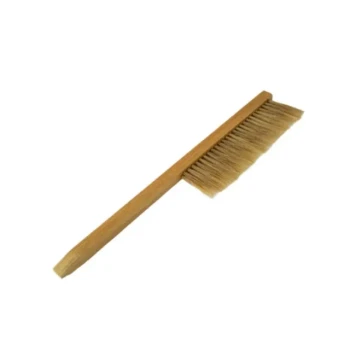
- Classic Wooden Bee Brush with Double-Row Boar Bristles
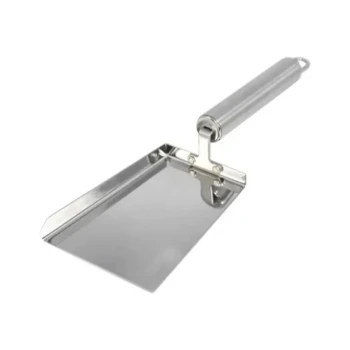
- Heavy-Duty Ergonomic Stainless Steel Pollen Shovel
People Also Ask
- What are the key features of a popular bee brush? Essential Design for Bee Safety and Hive Hygiene
- What are the key characteristics of the bristles on a bee brush? Master Gentle and Efficient Bee Removal
- What is a bee brush and what is its primary use? A Gentle Tool for Hive Management
- What is the purpose of using a bee brush during the inspection of hive components? Safe & Precise Hive Management
- What is the specific function of a bee brush? Ensure Pure Harvests and Colony Welfare During Honey Extraction