The inclusion of approximately 4.2 percent natural pollen acts as a crucial sensory bridge between artificial ingredients and a honeybee's natural foraging instincts. By introducing specific chemical attractants and pheromone-like cues found only in nature, this small percentage effectively "labels" the supplement as a viable food source. This significantly accelerates the colony's ability to identify the patty, dramatically improving acceptance rates and ensuring the colony consumes the nutrition rather than ignoring it.
Core Insight: Artificial supplements often fail not because they lack nutrition, but because they lack recognition. The 4.2% natural pollen inclusion acts as a "bio-tag," utilizing natural sensory cues to trick bees into treating a substitute cake with the same urgency as natural forage.
Overcoming the "Artificial" Barrier
The Recognition Gap
Honeybees do not consume food based solely on nutritional analysis; they rely heavily on olfactory and chemical signals.
Purely artificial protein sources, while nutrient-dense, often lack the specific volatile compounds that signal "food" to a worker bee. Without these signals, a protein patty may be treated as debris or foreign matter to be removed, rather than food to be consumed.
The Role of Chemical Attractants
The 4.2 percent natural pollen serves as a fortifier.
It introduces natural chemical attractants that volatilize within the hive environment. These scent trails guide worker bees directly to the supplement cake, reducing the time between introduction and discovery.
The Mechanism of Acceptance
Triggering Feeding Instincts
Beyond simple scent, natural pollen contains pheromone-like cues.
These biological signals trigger specific feeding behaviors in worker bees that artificial flavorings cannot replicate. The presence of these cues shifts the colony's behavior from investigation to immediate consumption.
Increasing Conversion Efficiency
The ultimate goal of any supplement is the conversion of raw protein into brood and colony growth.
By ensuring rapid identification and consumption, the natural pollen inclusion minimizes waste. The faster the bees accept the substitute, the faster that nutrition is metabolized and converted into larval food.
Understanding the Trade-offs
The Precision of the Ratio
It is important to understand why the specific figure of roughly 4.2 percent is highlighted.
This percentage represents a "sweet spot" in formulation. It provides enough biological signal to trigger acceptance without requiring large, expensive quantities of natural pollen, which can be difficult to source sustainably.
The "Fortifier" Limitation
While beneficial, this inclusion is strictly a behavioral catalyst, not the primary nutritional source.
The bulk of the protein still comes from the artificial substitute. If the underlying substitute is of poor nutritional quality, the natural pollen will trick the bees into eating it, but it will not fix nutritional deficiencies in the main ingredient.
Making the Right Choice for Your Colony
To maximize the health and growth of your apiary, apply this understanding of bee nutrition psychology to your feeding strategy.
- If your primary focus is rapid buildup: Select supplements that explicitly list natural pollen inclusion, as the increased acceptance rate is critical for fast colony expansion.
- If your primary focus is cost-efficiency: Recognize that "pure" artificial patties may result in higher waste; the slightly higher cost of pollen-fortified cakes is often offset by the fact that the bees actually eat them.
- If your primary focus is feed consistency: Monitor consumption rates closely; if bees are ignoring a patty, it likely lacks the chemical cues provided by that critical 4.2 percent pollen fraction.
Success in supplemental feeding is not just about what you provide, but ensuring the bees recognize it as food.
Summary Table:
| Key Aspect | Benefit of 4.2% Natural Pollen Inclusion |
|---|---|
| Mechanism | Acts as a "bio-tag" and sensory bridge using natural chemical attractants. |
| Recognition | Overcomes the artificial barrier by mimicking natural olfactory signals. |
| Consumption | Triggers immediate feeding behavior, reducing waste and "debris" rejection. |
| Efficiency | Accelerates the conversion of protein into brood and colony expansion. |
| Cost-Benefit | Provides maximum behavioral stimulus with minimal expensive natural pollen. |
Scale Your Apiary Success with HONESTBEE
At HONESTBEE, we understand that professional beekeeping requires precision and high-performance nutrition. Whether you are managing a large-scale commercial apiary or supplying the industry as a distributor, we provide the tools and consumables needed to thrive.
Our comprehensive wholesale portfolio includes:
- High-Acceptance Nutrition: Premium pollen supplements designed for rapid colony buildup.
- Advanced Machinery: Hive-making and honey-filling machines to streamline your production.
- Professional Equipment: A full spectrum of beekeeping hardware and essential consumables.
- Branding & Culture: Unique honey-themed cultural merchandise to diversify your retail offering.
Partner with a supplier that values biological efficiency and industrial durability. Contact HONESTBEE today to discuss your wholesale needs and see how our expertise can drive your growth.
References
- Elham Ahmed Elsherif, Sobhia S. Sayed. Effect of Feeding some Diets as A pollen Grains Supplements during Spring Season on Some Activities of Honey Bee Colonies. DOI: 10.21608/eajb.2017.12105
This article is also based on technical information from HonestBee Knowledge Base .
Related Products
- Heavy-Duty Ergonomic Grip Galvanized Pollen Shovel
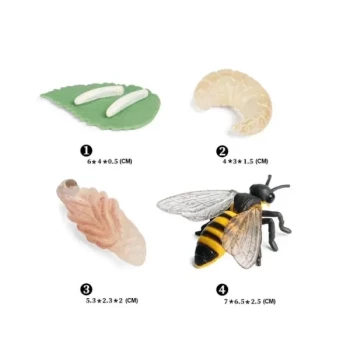
- Honey Bee Lifecycle Model: A Detailed Honeycomb Display of Bee Development
- 30 cm Plastic Entrance Hole Bee Pollen Trap and Collector
- Premium Traditional Copper Bee Smoker with Bellows
- Solar Beeswax Melter Easy Solar Wax Melter for Beeswax
People Also Ask
- For what reasons do beekeepers collect bee pollen? Boost Hive Health and Unlock New Revenue Streams
- Why should commercial apiaries focus on the collection of diversified bee products? Maximize Your Hive’s Profit Potential
- How do bee pollen collection tools affect the quality of bee pollen used in functional dairy ice cream production?
- How does a specialized pollen collector facilitate the harvesting of diverse bee products? Automate High-Value Yields
- What is the impact of pollen collectors and associated equipment on the cost structure of pollen production? Maximize ROI