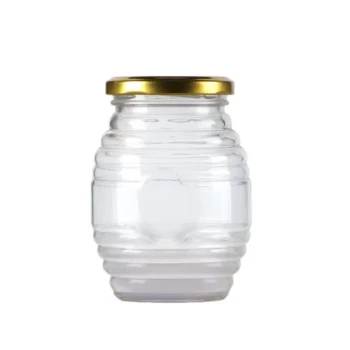
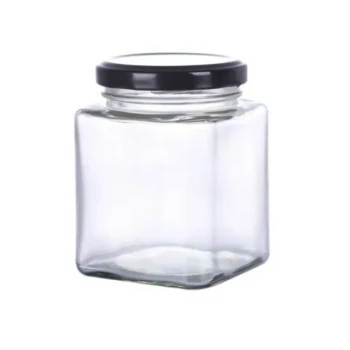
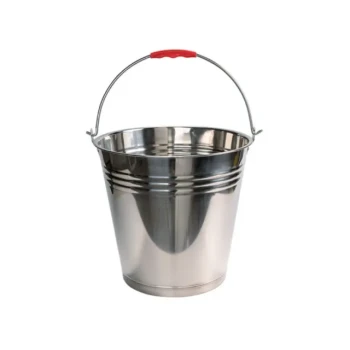
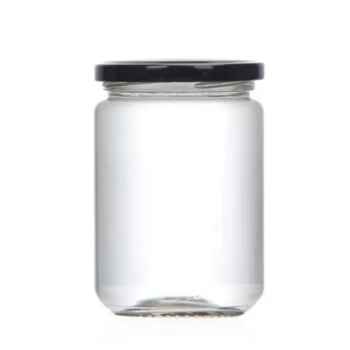
Honey’s hygroscopic nature makes airtight storage not just an option, but a chemical necessity. Because honey acts like a sponge for atmospheric moisture, exposing it to the atmosphere effectively allows water to dilute the sugar concentration. An airtight seal is the only physical barrier preventing this moisture uptake, which is the primary catalyst for fermentation and irreversible spoilage.
The fundamental goal of airtight storage is to isolate honey from environmental humidity; without a hermetic seal, absorbed moisture raises water content levels, activating dormant yeasts that degrade quality and safety.
The Mechanism of Hygroscopy and Spoilage
The Moisture Magnet
Honey is highly hygroscopic, meaning it naturally seeks to absorb moisture from the surrounding air to reach equilibrium with the environment.
In high-humidity climates, an unsealed container allows the honey to pull in water continuously.
This process is rapid and targets the surface layer first, creating a zone of high water content even if the bulk of the honey remains thick.
The Fermentation Trigger
The primary risk of this moisture absorption is fermentation.
Honey contains natural, dormant yeasts that cannot reproduce in low-moisture, high-sugar environments.
Once the water content exceeds safety standards due to atmospheric absorption, these yeasts wake up and begin consuming sugars, producing alcohol and acid that sour the product.
Preservation of Enzyme Activity
Beyond preventing rot, airtight storage preserves the biological activity of the honey.
Moisture ingress and exposure to air can degrade natural enzymes, which are markers of raw honey quality.
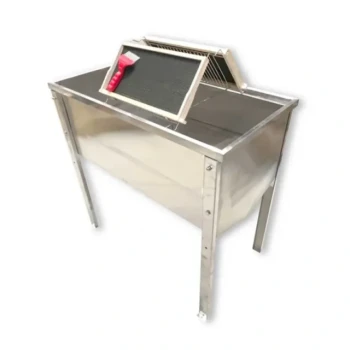
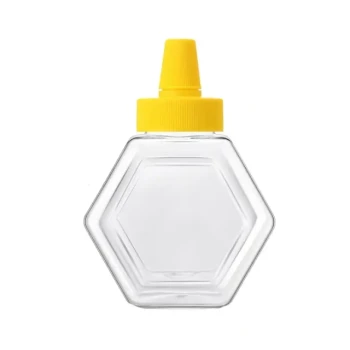
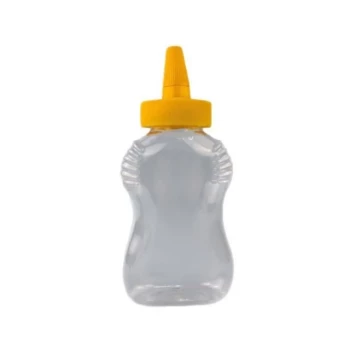
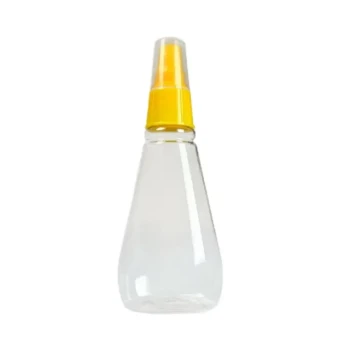
High-grade plastic or stainless steel containers effectively isolate the honey to maintain these delicate chemical structures.
Secondary Benefits of Airtight Sealing
Blocking Oxidation
Airtight containers do more than stop water; they stop oxygen exchange.
Oxidation can darken the honey and degrade its nutritional profile over time.
By utilizing superior sealing, you protect the honey from oxidative stress that occurs during long-term storage or transport.
preventing Odor Contamination
Honey is susceptible to absorbing external odors just as easily as it absorbs water.
Quality packaging materials block environmental scents that could alter the honey's unique natural aroma.
This ensures that the flavor profile remains stable and true to the original floral source.
Common Pitfalls to Avoid
Material Reactivity
While a seal must be airtight, the material of the container itself acts as a variable in preservation.
Using non-food-grade metals or low-quality plastics can lead to chemical leaching or oxidation, even if the seal is tight.
Stainless steel and high-grade plastics are chemically inert options that prevent container contamination.
The "False Seal" of Transport
During transport from apiaries to processing centers, vibration and pressure changes can compromise inferior seals.
If a container is not specifically designed for transport, micro-leaks can occur, introducing moisture and contaminants.
Standardized, high-performance containers are critical consumables for maintaining traceability and hygiene in commercial supply chains.
Making the Right Choice for Your Goal
To select the correct storage solution, assess your volume and intended duration of storage.
- If your primary focus is commercial processing or bulk storage: Prioritize high-grade plastic or stainless steel containers to ensure durability and strict isolation from environmental moisture.
- If your primary focus is long-term physicochemical stability: Utilize sterile glass jars stored in dark, cool conditions (4°C) to ensure total chemical inertness and preservation of flavonoids.
- If your primary focus is transport logistics: Select high-performance sealed packaging designed to withstand physical movement without compromising the barrier against oxidation and odors.
Airtight storage is the definitive control point that transforms honey from a perishable agricultural product into a stable, non-perishable commodity.
Summary Table:
| Key Factor | Impact of Poor Sealing | Recommended Solution |
|---|---|---|
| Hygroscopy | Moisture absorption leads to fermentation | Airtight HDPE or Stainless Steel |
| Oxidation | Darkening and loss of nutritional value | Hermetic seals to block oxygen |
| Enzyme Activity | Degradation of raw honey bio-markers | Food-grade, inert storage materials |
| Aroma | Absorption of external environmental odors | High-performance sealed packaging |
Secure Your Honey Quality with HONESTBEE
Don't let moisture compromise your harvest. HONESTBEE empowers commercial apiaries and distributors with professional-grade solutions to maintain honey purity. From specialized honey-filling machines and hive-making hardware to high-performance storage consumables, we provide the full spectrum of equipment needed to scale your operations.
Ready to upgrade your storage and processing line?
Contact HONESTBEE Today to access our comprehensive wholesale catalog and discover how our beekeeping machinery and tools can enhance your business efficiency.
References
- Alemayehu Abebe, Alebachew Habtamu. Analysis of honey production systems in three agro-ecologies of Benishangul-Gumuz, Western Ethiopia. DOI: 10.5897/jaerd2014.0705
This article is also based on technical information from HonestBee Knowledge Base .
Related Products
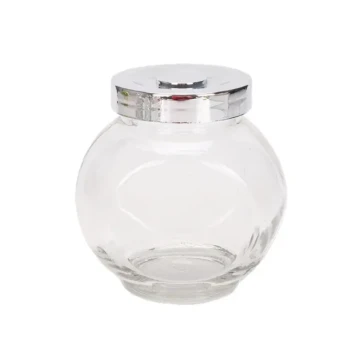
- Classic Drum Shaped Glass Honey Jar with Airtight Lid
- Stainless Steel Honey Storage Tank with Lid for Honey
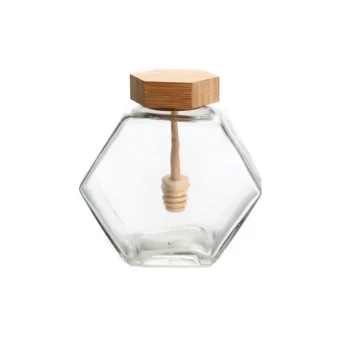
- Hexagonal Glass Honey Jar with Wooden Lid Integrated Dipper Elegant Functional Storage
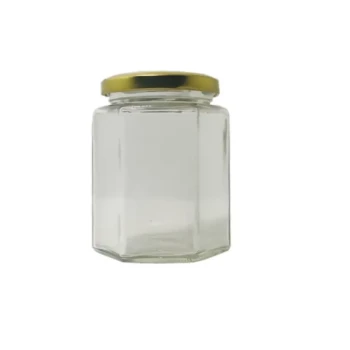
- Hexagonal Glass Honey Jars with Metal Lug Caps Elegant Versatile Packaging
- Stainless Steel Honey Storage and Settling Tank with Double Strainer
People Also Ask
- What is the best utensil to store honey? Preserve Purity with the Right Container
- How does the appearance of glass jar packaging affect the sales and perception of honey? Boost Your Premium Brand Value
- Why is a glass jar preferred for packaging honey? Ultimate Protection for Purity & Flavor
- What is the aesthetic appeal of using glass jars for honey? Elevate Your Brand with Premium Packaging
- What are the advantages of glass containers for honey? Elevate Quality and Market Value with Premium Packaging