Self-compatibility does not guarantee maximum efficiency. While certain almond varieties are genetically capable of pollinating themselves, relying strictly on the plant's autonomous mechanisms often results in suboptimal crop volume. The deployment of commercial honeybee colonies is necessary to overcome physical limitations, acting as a mechanical force to ensure pollen effectively reaches the stigma.
While self-pollinating almond varieties can produce fruit without insect intervention, they often lack the physical efficiency to maximize production. Introducing honeybees enhances pollen deposition, potentially increasing kernel yield by approximately 20% compared to reliance on autonomous pollination alone.
Overcoming Physical Limitations
The Efficiency Gap
Self-compatible almond varieties possess the biological traits required to fertilize their own flowers. However, this genetic capability does not ensure that the pollen physically travels from the anther to the stigma effectively.
Relying solely on autonomous plant pollination creates an efficiency gap. Without an external force, the natural transfer of pollen is often insufficient to achieve high fertilization rates across an entire orchard.
Insect-Facilitated Deposition
Honeybees provide the "essential biological dynamics" missing from a purely autonomous system. Their movement within the flower creates the necessary agitation and contact to transfer pollen.
This insect activity facilitates the efficient deposition of pollen onto the stigma. By physically moving the pollen, bees ensure that the plant's genetic potential for self-fertilization is actually realized.
The Impact on Commercial Yields
Boosting Fruit-Set Rates
In a commercial environment, the goal is not just fertilization, but maximized volume. The introduction of biological pollination inputs acts as a force multiplier for the crop.
This active pollination significantly increases both initial and final fruit-set rates. More flowers are successfully fertilized and retained by the tree than would be possible through passive self-pollination.
The 20% Yield Increase
The difference between passive autonomy and active insect pollination is measurable. The primary reference indicates that bee deployment can raise kernel yield by approximately 20%.
This increase directly compensates for the inherent efficiency limitations of the plant. For commercial growers, this margin represents a significant portion of the total harvest potential.
Understanding the Trade-offs
Passive vs. Active Management
Choosing to forgo bee colonies relies entirely on the plant's passive autonomous systems. While this eliminates the logistical requirement of managing hives, it accepts a lower ceiling for performance.
The trade-off is a reduction in production efficiency. By relying solely on self-compatibility, you are likely leaving roughly one-fifth of your potential kernel yield unrealized due to missed pollination opportunities.
Optimizing Your Pollination Strategy
The decision to deploy bees depends on your specific production targets and yield expectations.
- If your primary focus is maximizing commercial output: Deploy honeybee colonies to bridge the efficiency gap and capture the potential 20% increase in kernel yield.
- If your primary focus is relying on genetic traits: Recognize that while the plant is biologically capable of self-pollination, the lack of insect activity will likely result in lower fruit-set rates.
Genetics enable the possibility of fruit, but biological activity ensures the efficiency of the harvest.
Summary Table:
| Factor | Autonomous Pollination | Bee-Facilitated Pollination | Impact on Performance |
|---|---|---|---|
| Mechanism | Passive/Genetic | Active/Mechanical Agitation | Bees ensure pollen reaches the stigma |
| Pollen Deposition | Suboptimal | Highly Efficient | Increased fertilization success |
| Fruit-Set Rate | Lower Baseline | Significantly Increased | Higher flower retention |
| Expected Yield | 100% (Baseline) | ~120% | Approximately 20% kernel yield gain |
Maximize Your Orchard's Potential with HONESTBEE
Don't leave 20% of your almond yield to chance. While genetics provide the foundation, HONESTBEE provides the tools to bridge the efficiency gap. As a premier partner for commercial apiaries and distributors, we offer a comprehensive wholesale range of professional beekeeping machinery, specialized hive-making equipment, and essential industry consumables designed for high-volume pollination services.
Whether you are scaling up a commercial pollination fleet or supplying large-scale growers, our honey-filling machines and specialized hardware ensure your operation runs at peak performance. Contact HONESTBEE today to secure the equipment and tools needed to drive superior agricultural results for your clients.
References
- Agustín Sáez, Pedro Negri. Bees increase crop yield in an alleged pollinator-independent almond variety. DOI: 10.1038/s41598-020-59995-0
This article is also based on technical information from HonestBee Knowledge Base .
Related Products
- HONESTBEE Entrance Bee Feeder Professional Hive Nutrition Solution for Beekeeping
- Langstroth Honey Bee Box Hive Boxes for Different Depths
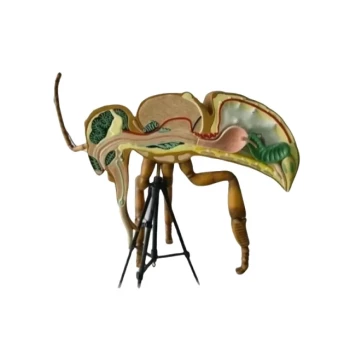
- HONESTBEE Anatomy Bee Model Detailed Anatomical Display for Education and Study
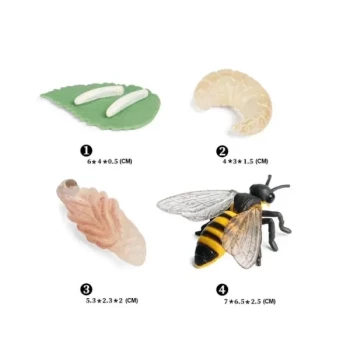
- Honey Bee Lifecycle Model: A Detailed Honeycomb Display of Bee Development
- HONESTBEE Professional Hive Top Bee Feeder Feeding Solution
People Also Ask
- What types of bee feeders are available for beginners? Start with the Simple Entrance Feeder
- What are the advantages and disadvantages of using an entrance feeder for bees? Balance Convenience and Hive Security.
- What is a bee entrance feeder and what are its drawbacks? Essential Guide to Hive Security and Feeding Efficiency
- How does a bee entrance feeder work? A Simple Guide to Convenient Hive Feeding
- How to make an entrance feeder for bees? A DIY Guide for Safe & Effective Feeding