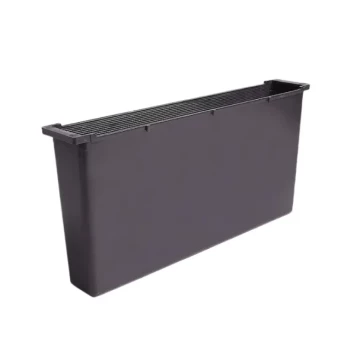
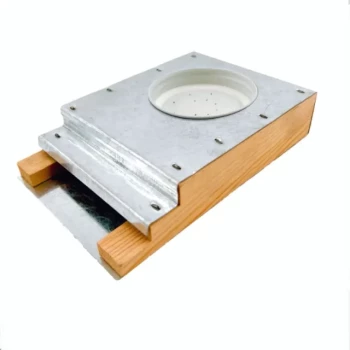
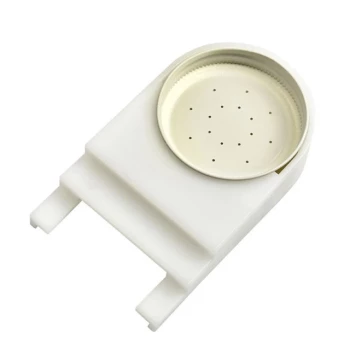
Professional feeder design is the critical differentiator between effective colony management and chaotic apiary failure. It ensures that supplemental feeds, such as syrups or bee cakes, are accessed efficiently by bees without triggering dangerous robbing behavior from competing colonies. By strictly controlling feeding speeds and preventing leakage, these devices protect the hive environment and prevent mass bee drowning.
Core Takeaway Improvised feeding methods often lead to resource waste and colony collapse due to robbing or contamination. Professional feeders are essential because they standardize nutrient intake, secure the hive against external threats, and provide the consistent data necessary for precision beekeeping and large-scale commercial success.
The Mechanics of Hive Safety and Hygiene
Preventing Robbing Behavior
In a commercial apiary, the scent of open syrup can trigger a feeding frenzy among competing colonies. Well-designed feeders are engineered to isolate the food source. They ensure that only the intended colony can access the feed, preventing the aggressive robbing behavior that can destroy weaker hives during times of scarcity.
Eliminating the Risk of Drowning
One of the most common causes of bee mortality during feeding is poor access design. Professional feeders allow worker bees to feed freely while maintaining safe footing. This engineering prevents bees from falling into the syrup, significantly reducing the loss of workforce due to drowning.
Controlling Leakage and Hive Health
Liquid feed that leaks into the hive body creates a damp, sticky environment that promotes disease and attracts pests. High-quality feeders maintain a seal. This keeps the interior clean and ensures that nutrients are consumed rather than wasted on the bottom board.
Standardization in Commercial Operations
Ensuring Consistent Intake Levels
For large-scale operations, variability is the enemy of productivity. Standardized professional feeders ensure that every colony has the same opportunity to access nutrients. This effectively mimics the natural intake of nectar, facilitating stable population growth across the entire apiary.
The Foundation of Precision Research
In scientific studies and data-driven commercial beekeeping, data comparability is paramount. You cannot compare colony performance if caloric intake varies due to equipment failure. Professional feeders guarantee that intake variables are controlled, making performance data reliable and actionable.
Understanding the Design Trade-offs
Balancing Access with Restriction
A critical aspect of feeder design is the "flow rate" or access speed. There is a necessary trade-off between rapid uptake and safety.
- Too fast: If a feeder allows access that is too rapid, it increases the risk of drowning and may simulate a "honey flow" too aggressively, potentially leading to swarming behavior or backfilling the brood nest.
- Too slow: If the design restricts access too much, the colony may not build up sufficient stores in time for winter or dearth periods.
- The Professional Solution: Engineered feeders strike the precise balance, allowing the colony to convert supplements into food stores efficiently without overwhelming the hive's internal mechanics.
Making the Right Choice for Your Goals
To maximize the return on your supplemental feeding investment, align your equipment choice with your operational objectives.
- If your primary focus is Commercial Scalability: Prioritize feeders with large volume capacities and anti-robbing features to minimize labor and protect assets during dearths.
- If your primary focus is Research or Breeding: Select standardized feeders that guarantee precise, comparable intake rates to ensure your data on colony performance is valid.
Professional feeders are not just containers; they are precision tools that safeguard your bees and stabilize your production data.
Summary Table:
| Feature | Professional Feeder Impact | Risk of Improvised Methods |
|---|---|---|
| Robbing Prevention | Isolated food sources prevent scent leakage. | Triggers feeding frenzies and colony attacks. |
| Bee Safety | Engineered surfaces prevent worker drowning. | High mortality rates from sticky liquid traps. |
| Hygiene & Health | Leak-proof seals maintain a dry, sterile hive. | Damp environments promote pests and disease. |
| Data Consistency | Standardized intake for precision beekeeping. | Variable caloric intake skews performance data. |
| Flow Control | Balanced access rates prevent swarming. | Excessive speed causes brood nest backfilling. |
Scaling Your Apiary? Get the Precision Tools You Need
At HONESTBEE, we understand that in commercial beekeeping, the difference between profit and loss lies in the details. Professional feeders are just the beginning—we provide a full spectrum of beekeeping tools, specialized machinery, and honey-filling equipment designed to streamline your operations.
Whether you are a commercial apiary looking to standardize feeding or a distributor seeking high-quality wholesale supplies, our portfolio of hardware and essential consumables ensures your success. From hive-making machines to honey-themed merchandise, we bring value through durability and innovation.
Ready to optimize your production? Contact us today to explore our wholesale offerings!
References
- Ahmet Dodoloğlu, Berna Emsen. Effect of Supplementary Feeding on Honey Bee Colony. DOI: 10.1080/09712119.2007.9706878
This article is also based on technical information from HonestBee Knowledge Base .
Related Products
- HONESTBEE Professional Entrance Bee Feeder Hive Nutrition Solution
- HONESTBEE Entrance Bee Feeder Professional Hive Nutrition Solution for Beekeeping
- Professional In-Hive Frame Bee Feeder by HONESTBEE
- Professional Hive Front Entrance Bee Feeder
- HONESTBEE Professional Hive Top Bee Feeder Feeding Solution
People Also Ask
- What types of bee feeders are available for beginners? Start with the Simple Entrance Feeder
- What are the advantages and disadvantages of using an entrance feeder for bees? Balance Convenience and Hive Security.
- How does a bee entrance feeder work? A Simple Guide to Convenient Hive Feeding
- What is a bee entrance feeder and what are its drawbacks? Essential Guide to Hive Security and Feeding Efficiency
- How to make an entrance feeder for bees? A DIY Guide for Safe & Effective Feeding