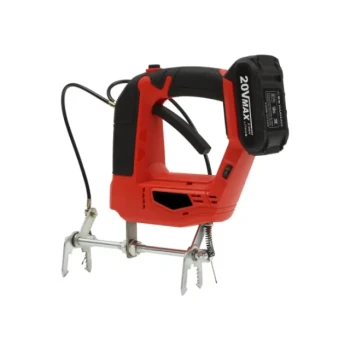
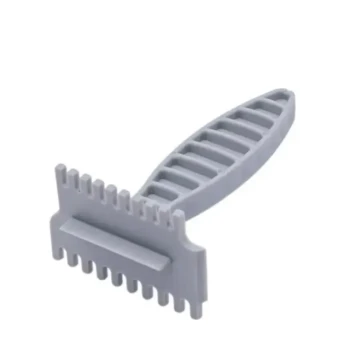
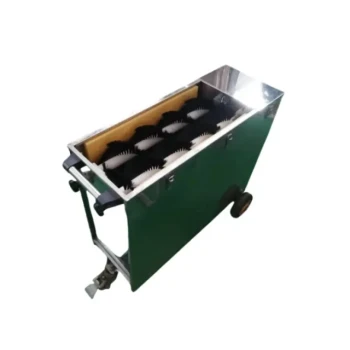
Disinfection is the primary defense against American Foulbrood (AFB) because the causative agent, Paenibacillus larvae, produces highly resilient endospores that survive for decades on equipment. These spores are mechanically transferred between colonies via hive tools, extractors, and protective gear, making rigorous sterilization the only way to break the chain of infection and protect high-value apiary assets.
Core Takeaway: To prevent the catastrophic spread of larval diseases, beekeeping operations must treat tool disinfection as a non-negotiable biosecurity protocol. Investing in industrial-grade sterilization solutions is the only effective method to eliminate environmental spore reservoirs and ensure long-term colony health.
The Biological Necessity of Tool Sterilization
The Persistence of Bacterial Endospores
The spores of Paenibacillus larvae are characterized by extreme environmental resistance, capable of remaining infectious on wooden and metal surfaces for over 30 years. These pathogens are not affected by standard cleaning; they require specialized physical or chemical sterilization to be completely neutralized.
Tools as High-Risk Mechanical Vectors
Beekeeping tools such as hive scrapers, honey extractors, and uncapping knives frequently move between different colonies during routine inspections. This movement creates a horizontal transmission pathway, where trace amounts of larval remains on a single tool can inadvertently infect an entire apiary.
Protecting the 3 km Biosecurity Zone
When an AFB-positive case is detected, strict disinfection of all hardware is the core technical measure required within a 3 km protection zone. Professional-grade disinfection equipment ensures that human operations do not become the vehicle for spreading the disease to neighboring healthy colonies.
Sourcing Professional-Grade Solutions for Commercial Scale
The Value of a Comprehensive Product Portfolio
For distributors and wholesalers, providing a full-spectrum portfolio of disinfection tools—ranging from high-concentration chemical soaks to industrial flame sterilization units—is essential. Offering a one-stop sourcing solution allows commercial beekeepers to implement integrated biosecurity systems without logistical delays.
Expertise in Industrial-Grade Equipment
Deep professional expertise is required to distinguish between simple cleaning and true medical-grade sterilization. Utilizing specialized equipment, such as combustion destruction units or high-pressure chemical sprayers, ensures that even trace larval remains are eradicated from porous wooden frames and metal machinery.
Efficiency in Order Fulfillment and Response
In the event of a disease outbreak, rapid response times and ultra-fast delivery of disinfection supplies are critical to containing the spread. Efficient order fulfillment ensures that beekeepers can implement emergency protocols immediately, minimizing the risk of total apiary loss.
Understanding the Trade-offs and Pitfalls
Chemical vs. Thermal Sterilization
While high-concentration chemical disinfectants are highly effective for soaking plastic or metal tools, they may leave residues if not rinsed correctly. Conversely, thermal methods like flame sterilization provide instant results but can weaken the structural integrity of certain specialized beekeeping machinery over time.
The Hidden Cost of Inadequate Protocols
The most common pitfall in commercial beekeeping is relying on "visual cleanliness" rather than validated sterilization processes. A tool may look clean while still harboring millions of microscopic spores; failing to invest in dedicated disinfection hardware often leads to the costly destruction of entire infected colonies later.
Making the Right Choice for Your Client’s Biosecurity
When selecting disinfection products for your inventory or client projects, consider the specific operational scale and disease pressure of the region.
- If your primary focus is rapid containment during an active outbreak: Prioritize high-intensity thermal sterilization tools and industrial-grade chemical concentrates for immediate spore destruction.
- If your primary focus is long-term preventative maintenance: Invest in a comprehensive range of stainless steel tools that can withstand frequent autoclaving and medical-grade chemical baths.
- If your primary focus is large-scale commercial efficiency: Implement automated disinfection stations for honey extractors and heavy machinery to ensure consistent biosecurity across thousands of hives.
Professional disinfection is not merely a cleaning task, but a critical technical barrier that safeguards the economic viability of the global beekeeping industry.
Summary Table:
| Disinfection Method | Best Application | Primary Advantage |
|---|---|---|
| Chemical Soaks | Plastic tools & metal scrapers | Deep penetration into porous surfaces |
| Thermal/Flame | Stainless steel & wooden frames | Instant neutralization of resilient spores |
| Industrial Sprayers | Large machinery & extractors | Rapid coverage for commercial operations |
| Autoclaving | Specialized hardware | Medical-grade sterilization for high-value gear |
Secure Your Supply Chain with HONESTBEE’s Professional Biosecurity Solutions
As a leading one-stop sourcing partner for commercial apiaries and B2B distributors, HONESTBEE provides the full spectrum of high-grade beekeeping tools, industrial machinery, and essential consumables. Whether you need specialized honey-filling machines or industrial-grade disinfection hardware, our deep industry expertise ensures your clients receive only the most reliable, certified products.
Why Partner with HONESTBEE?
- Comprehensive Portfolio: A complete range of hardware, from hive-making tools to honey-themed merchandise.
- Rapid Response & Fulfillment: Ultra-fast delivery and efficient order processing to help you manage disease outbreaks or seasonal demands.
- B2B Excellence: Dedicated support for wholesalers and resellers with premium trading services and deep professional insights.
Protect your investments and lead the market with superior biosecurity standards.
Contact HONESTBEE Today to Discuss Your Wholesale Needs
References
- M. BOJANIĆ RAŠOVIĆ. EXAMINING AIR POLLUTANTS AS INFLUENCING FACTORS OF HONEY BEE COLONY COLLAPSE DISORDER. DOI: 10.15666/aeer/2306_1161911644
This article is also based on technical information from HonestBee Knowledge Base .
Related Products
- Wooden Bee Brush with Triple Row Artificial Fiber for Beekeeping
- HONESTBEE Professional Mini J-Hook Hive Tool for Beekeeping
- Classic Wooden Bee Brush with Double-Row Boar Bristles
- High Performance Cordless Electric Bee Shaker for Beekeeping
- HONESTBEE 15-in-1 Beekeeper Multi-Tool with Hammer and Pliers for Beekeeping
People Also Ask
- What is the specific function of a bee brush? Ensure Pure Harvests and Colony Welfare During Honey Extraction
- What are the key characteristics of the bristles on a bee brush? Master Gentle and Efficient Bee Removal
- What is the purpose of using a bee brush during the inspection of hive components? Safe & Precise Hive Management
- What problem does a bee brush solve? Protect Your Colony with Gentle Precision Tools
- Why is a bee brush necessary when extracting honeybee hive frames that contain larvae? Protect Your Brood and Colony