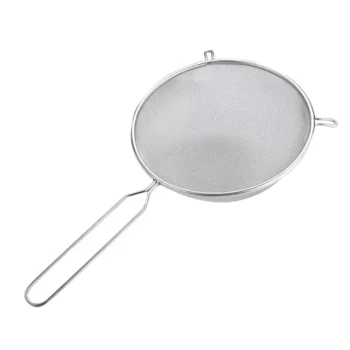
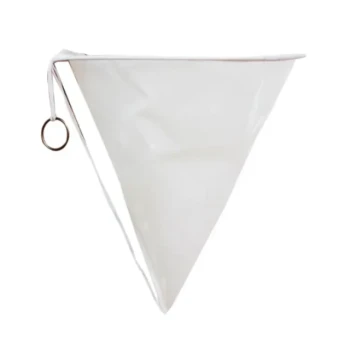
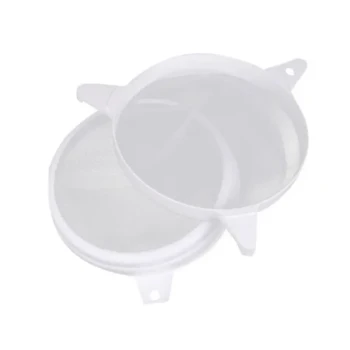
The implementation of multi-layer industrial stainless steel filters is the critical processing step that transforms raw apiary harvest into a commercially viable product. It serves a dual purpose: physically removing particulate contaminants—such as wax fragments, larval remains, and plant debris—while utilizing chemically inert materials to prevent metal contamination or flavor alteration.
By eliminating micro-impurities without compromising chemical integrity, these filters ensure honey meets rigorous food safety standards, extends shelf life, and achieves the high-clarity aesthetic required for premium market positioning.
Achieving Commercial Purity and Clarity
Removal of Macro and Micro Contaminants
Raw honey extracted directly from the hive is rarely ready for immediate consumer packaging. It naturally contains various impurities, including wax fragments, larval remains, and plant debris.
Multi-layer filtration systems are designed to systematically trap these particulates. This physical separation is the baseline requirement for producing honey that is safe and appetizing for the consumer.
Enhancing Visual Transparency
Beyond safety, the market demands a specific aesthetic. Modern consumers associate high-quality honey with clarity and transparency.
Effective filtration removes the cloudiness caused by suspended solids. This results in a polished final product that appeals to consumer preferences for clear, golden liquids, directly impacting the commercial grade of the honey.
Preserving Chemical Integrity
The Role of Chemically Inert Materials
The choice of material in filtration is as critical as the mesh size. Industrial filters utilize stainless steel specifically for its chemical inertness.
Unlike lesser metals or plastics which might degrade or react with the acidic nature of honey, stainless steel remains stable. This ensures that the honey is not contaminated by heavy metals during the high-throughput processing stage.
Preventing Off-Odors and Flavor Changes
Honey is a delicate matrix of sugars and aromatic compounds. Any interaction with reactive equipment can introduce off-odors or metallic tastes.
Stainless steel filters guarantee that the sensory profile of the honey remains authentic. The filtration process effectively cleans the honey without altering its natural flavor profile.
Meeting Modern Market Demands
Extending Shelf Life
Standardized filtration does more than clean the honey; it contributes to stability. By removing debris that can act as nucleation points for crystallization or substrates for fermentation, the process helps extend the shelf life of the bottled product.
Compliance with Food Safety Standards
Modern food safety regulations require strict control over foreign matter in consumables. Multi-layer filtration provides the technical foundation necessary to meet these legal standards.
It allows beekeepers and processors to move beyond local, raw sales. This compliance opens doors to larger retail markets and international export opportunities where safety certification is mandatory.
Understanding the Trade-offs
Balancing Clarity with Natural Value
While filtration increases clarity and safety, there is a technical trade-off regarding pollen retention. An overly aggressive filtration process aimed at "glass-like" clarity can inadvertently remove pollen, which is often considered a hallmark of authentic, high-quality honey.
Operational Considerations
Implementing multi-layer stainless steel systems requires significant upfront capital compared to simple gravity straining. However, this cost is generally offset by the higher market premium commanded by processed, standardized honey.
Making the Right Choice for Your Goal
The level of filtration you implement should align with your specific market position.
- If your primary focus is Mass Market Retail: Prioritize filtration systems that maximize clarity and shelf life stability to meet strict supermarket aesthetic standards.
- If your primary focus is Artisanal or Raw Branding: utilize filtration that removes macro-contaminants (wax/larvae) while retaining microscopic pollen to preserve the "raw" classification.
Ultimately, the use of industrial stainless steel filters is not just about cleaning honey; it is the essential mechanism for ensuring product safety and unlocking higher commercial value.
Summary Table:
| Feature | Benefit for Honey Processing | Impact on Market Value |
|---|---|---|
| Multi-layer Mesh | Removes wax, larvae, and micro-debris | High clarity and premium aesthetic |
| Stainless Steel | Chemically inert and food-grade | Prevents metallic taste and contamination |
| Crystallization Control | Removes nucleation points | Extends shelf life and stability |
| Physical Integrity | Durable for high-pressure/throughput | Consistent quality for large-scale retail |
Elevate Your Honey Quality with HONESTBEE Professional Filtration Solutions
Are you looking to transition from raw apiary harvests to high-end retail markets? HONESTBEE specializes in supporting commercial apiaries and distributors with premium beekeeping machinery and processing equipment.
Our industrial-grade stainless steel filtration systems are designed to ensure your honey meets the highest food safety standards while maintaining its natural aromatic profile. Beyond filtration, we offer a comprehensive wholesale range—from hive-making and honey-filling machines to honey-themed cultural merchandise.
Ready to scale your production and maximize your commercial value?
Contact HONESTBEE Today to discuss our customized wholesale solutions and see how we can streamline your honey post-treatment process!
References
- Etsemeskel Tadele, Abebe Melese. Comprehensive review on improved honey production: techniques, challenges, opportunities, and future prospects in Africa. DOI: 10.3389/frbee.2025.1588416
This article is also based on technical information from HonestBee Knowledge Base .
Related Products
- Professional Stainless Steel Honey Filtering Machine with Water Bath Heating for Beekeeping
- Stainless Steel Double Layer Honey Strainer Sieve Filters
- Professional Stainless Steel Honey Filter with Support Handle
- Stainless Steel Triangle Support Honey Strainer and Filters
- Professional Cone-Shaped Honey Filter with Reinforced Steel Ring
People Also Ask
- What is the best way to filter honey? A Guide to Quality, Clarity, and Raw Preservation
- Why is filtering honey an important step in honey processing? Ensure Purity, Clarity & Marketability
- Why do people filter honey? For Clarity, Stability, and Consumer Appeal
- Is it necessary to filter honey after extraction? A Guide to Straining vs. Raw Honey
- What are the benefits of using honey filters? Achieve Purity, Efficiency, and Market Appeal