The integration of mechanical lifts is a critical necessity in beekeeping because they replace the high-intensity manual labor required to handle hives weighing between 30 and 40 kilograms. By automatically raising these heavy structures to waist height, mechanical lifts eliminate the physical burden of vertical lifting, which is the most strenuous part of the moving process.
The primary value of a mechanical lift is the preservation of the beekeeper's physical health. By substituting mechanical power for human exertion during heavy lifting, these devices prevent immediate muscle strains and long-term spinal injuries, substantially lowering the risk of severe occupational diseases.
The Ergonomic Burden of Beekeeping
The Weight of the Load
A standard beehive is a surprisingly heavy object, typically weighing between 30 and 40 kilograms.
Moving this amount of weight requires significant physical force. Doing so without mechanical assistance places a massive load directly on the beekeeper's body.
The Risk of Incorrect Posture
Manual lifting often forces beekeepers into incorrect postures.
When a worker exerts force while twisting or bending to grasp a heavy hive, the spine becomes vulnerable. This forced exertion is a primary driver of acute injury.
High-Intensity Manual Actions
Moving hives is rarely a single event; it involves repetitive, high-intensity actions.
The cumulative effect of manually lifting dozens of hives amplifies the risk of injury. Mechanical lifts are designed to interrupt this cycle of strain.
How Mechanical Lifts Mitigate Risk
Automatic Elevation to Waist Height
The defining feature of these lifts is the ability to automatically raise hives to waist height.
This specific height is ergonomically optimal for human interaction. It allows the beekeeper to inspect or move the hive without bending or stooping.
Prevention of Spinal Injuries
By removing the vertical lifting component, mechanical lifts directly prevent spinal injuries.
The lower back is disproportionately affected by manual lifting. Eliminating this strain protects the vertebral discs and surrounding musculature.
Reducing Muscle Strains
Mechanical assistance prevents the muscle strains associated with sudden or sustained exertion.
This leads to a healthier workforce and reduces the likelihood of "occupational diseases" related to heavy load bearing, ensuring beekeepers can remain active in the field longer.
Understanding the Trade-offs and Ecosystem
Vertical Lifting vs. Horizontal Transport
While mechanical lifts solve the problem of vertical elevation, they are part of a larger transport ecosystem.
For moving hives across the ground, commercial beekeepers must still rely on flatbed wheelbarrows, moving dollies, or hand trucks.
Equipment Compatibility
For larger operations, the mechanical lift may need to work in tandem with heavy machinery.
Tractors equipped with pallet mover forks are often necessary when the scale of the operation exceeds what a single mechanical lift can manage individually.
Vehicle Selection for Transport
The lift helps get the hive onto a vehicle, but the vehicle choice matters for safety and ease.
Low trailers or pickup trucks are recommended over enclosed cars or SUVs. Open vehicles provide easier loading access for mechanical tools and ensure better ventilation for the bees.
Making the Right Choice for Your Goal
To optimize your hive moving process, align your equipment with your specific safety and operational needs:
- If your primary focus is preventing personal injury: Prioritize a mechanical lift that automatically handles the vertical rise to waist height to protect your spine.
- If your primary focus is transport efficiency over distance: Incorporate moving dollies or a tractor with pallet forks to manage horizontal movement across the apiary.
- If your primary focus is safe vehicle loading: Utilize a pickup truck or low trailer to complement your lifting tools and ensure adequate ventilation for the colony.
Investing in mechanical lifting technology is the single most effective step you can take to safeguard your long-term physical health in the apiary.
Summary Table:
| Feature | Manual Lifting | Mechanical Lift Integration |
|---|---|---|
| Physical Strain | High (30-40kg per hive) | Low (Automated vertical lifting) |
| Spinal Health | High risk of disc injury | Prevents strain by elevating to waist height |
| Ergonomics | Poor (Bending and twisting) | Optimal (Waist-level interaction) |
| Long-term Impact | Risk of occupational diseases | Extended career longevity and health |
| Efficiency | Repetitive and exhausting | Fast, consistent, and safe |
Upgrade Your Apiary Efficiency with HONESTBEE
Manual hive lifting is the leading cause of occupational injury in the beekeeping industry. At HONESTBEE, we specialize in supporting commercial apiaries and distributors with high-performance beekeeping machinery and tools designed to protect your team and scale your operations.
From automated hive-handling solutions to a full spectrum of specialized equipment and essential consumables, we provide the wholesale hardware you need to thrive. Whether you are looking for hive-making machines, honey-filling systems, or expert-grade lifting tools, we are your partner in professional beekeeping.
Ready to modernize your operation? Contact us today to explore our comprehensive wholesale catalog and find out how our equipment can safeguard your health and boost your productivity.
References
- Özgür Özgün, İsa Ak. Ergonomics in Beekeeping Activities. DOI: 10.46810/tdfd.1405223
This article is also based on technical information from HonestBee Knowledge Base .
Related Products
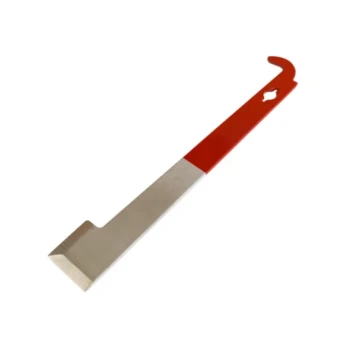
- Stainless Steel J Hook Hive Tool for Beekeeping
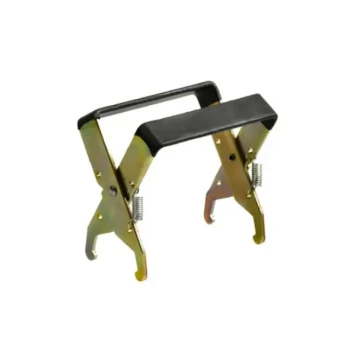
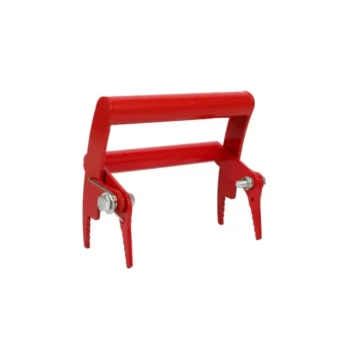
- Durable Galvanized Steel Frame Grip
- HONESTBEE Classic Pry Bar Hive Tool with High Visibility Finish for Beekeeping
- Durable Rubberized Comfort Handle Frame Grip
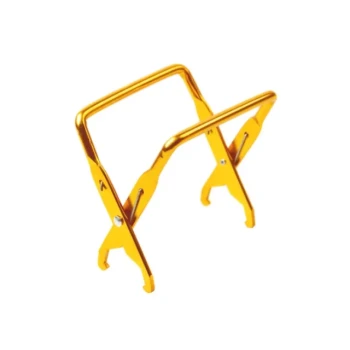
- Lightweight Aluminum Frame Grip
People Also Ask
- What specific challenges do beekeeping hive tools address during hive maintenance? Essential Solutions for Apiaries
- What is a J-hook hive tool and why is it favored by some beekeepers? Master Gentle Frame Handling
- What are the features of a J-hook hive tool? Effortlessly Lift Frames with Superior Leverage
- What is the purpose of the J-hook hive tool? Effortlessly Lift Frames with Superior Leverage
- How is a J-hook hive tool designed and what is its primary use? Master Effortless Hive Inspections