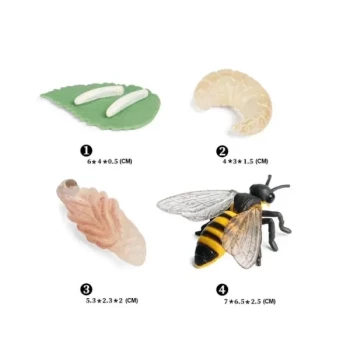
Morphological and genetic identification acts as the quality control foundation for the entire honey supply chain. By utilizing morphological scanning and DNA analysis, commercial operations can isolate and breed superior honeybee morphotypes. This biological optimization ensures a consistent, high-yield stream of raw material, which is strictly necessary for the efficient operation of automated filling and processing machinery.
Scientific identification allows producers to select specific bee populations that offer high yields and disease resistance. This biological standardization is the prerequisite for efficient industrial automation, ensuring that high-tech filling machinery is fed with stable, high-quality raw materials.
The Link Between Genetics and Production Efficiency
Selecting for Superior Traits
Different honeybee populations, such as Africanized honeybees, possess distinct genetic traits that impact production. By analyzing these traits through DNA and physical scanning, apiaries can pinpoint specific populations with superior characteristics.
Enhancing Colony Health and Hygiene
Genetic identification allows for the breeding of colonies with natural hygienic behaviors and disease resistance. Healthier colonies require less chemical intervention, leading to cleaner raw honey.
Stabilizing Raw Material Supply
Automated processing lines require a predicted volume of input to function economically. By breeding high-yield morphotypes, producers ensure the stable supply of raw materials needed to keep filling machinery running at capacity.
Optimizing the Biological Input for Automation
The Role of Industrial Automation
Once the superior raw material is harvested, industrial-grade honey filling machines take over to ensure quantitative consistency. This equipment uses high-precision flow control to convert raw honey into standardized retail commodities.
Minimizing Contamination Risks
Genetic selection produces a cleaner raw product, and automated machinery maintains that standard. Advanced filling equipment significantly increases automation, minimizing the contamination risks associated with manual contact.
Preserving Bio-Active Components
Honey contains sensitive antimicrobial enzymes, such as glucose oxidase, and various peptides. High-grade processing equipment, specifically those made with 316L food-grade stainless steel and precision temperature controls, ensures these genetic advantages are not lost to heat or metal ion leaching during filling.
Understanding the Trade-offs
Complexity of Implementation
While genetic identification offers higher yields, it introduces a layer of technical complexity to the farming process. Apiaries must invest in morphological scanning technology and DNA analysis capabilities, which raises initial operational costs.
Balancing Genetics and Machinery
Focusing solely on genetics is insufficient if the downstream equipment is subpar. Even the highest quality honey derived from superior genetics will degrade if processed in machinery that lacks precise temperature control or uses reactive metals.
Making the Right Choice for Your Goal
To maximize the efficiency of your commercial honey operation, align your biological selection with your processing capabilities.
- If your primary focus is Production Volume: Prioritize genetic identification to select high-yield morphotypes that guarantee the raw material flow required for high-speed automation.
- If your primary focus is Product Purity: Invest in filling machinery with 316L stainless steel and temperature control to preserve the specific bio-active enzymes produced by your selected bee populations.
Success in commercial honey processing requires syncing superior biological inputs with high-precision industrial engineering.
Summary Table:
| Key Factor | Impact on Commercial Processing | Benefit for Automation |
|---|---|---|
| Genetic Selection | Enhances honey yield and disease resistance | Ensures consistent raw material volume |
| Morphological Scanning | Identifies superior honeybee morphotypes | Stabilizes production supply chains |
| Colony Hygiene | Reduces chemical intervention and contaminants | Maintains high-purity input for machinery |
| Biological Standardization | Aligns raw honey traits with equipment specs | Minimizes downtime and maximizes efficiency |
Elevate Your Commercial Apiary with HONESTBEE Industrial Solutions
Success in large-scale honey production requires a seamless connection between superior biological inputs and high-precision engineering. At HONESTBEE, we specialize in bridging this gap for commercial apiaries and global distributors.
We provide a comprehensive wholesale portfolio designed to maximize your efficiency, including:
- Advanced Machinery: High-precision honey-filling machines and automated hive-making equipment.
- Beekeeping Tools: A full spectrum of professional-grade hardware and essential consumables.
- Quality Preservation: Equipment crafted with 316L food-grade stainless steel to protect the bioactive enzymes of your premium honey.
Ready to scale your operation with the industry’s most reliable equipment? Contact us today to explore our wholesale offerings!
References
- Diego Armando Masaquiza Moposita, Amílcar Arenal. Use of Wing Geometric Morphometric Analysis and mtDNA to Identify Africanization of Apis mellifera in the Central Highlands of Ecuador. DOI: 10.3390/insects15080628
This article is also based on technical information from HonestBee Knowledge Base .
Related Products
- Honey Bee Lifecycle Model: A Detailed Honeycomb Display of Bee Development
- High-Performance Langstroth Bee Hives for Global Professional Beekeeping
- HONESTBEE Anatomy Bee Model Detailed Anatomical Display for Education and Study
- Honey Bee Life Cycle Model 4 Stage Educational Set for Kids Learning
- HONESTBEE Entrance Bee Feeder Professional Hive Nutrition Solution for Beekeeping
People Also Ask
- Are honey bees good to have around? The Essential Role and Ecological Impact of Bees
- Why does standardized equipment lower honey bee winter loss? Master Large-Scale Beekeeping Success
- Do honey bees leave their hives? Understanding the Critical Role of Swarming
- What activities require a lot of energy for honey bees? Understanding the Colony's Energy Budget
- How do honey bees develop from egg to adult? The Complete 4-Stage Metamorphosis Guide