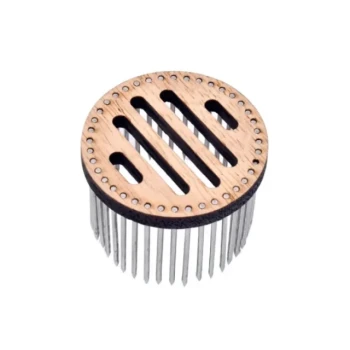
The precision of grafting tools and queen cages is the defining factor in the survival and quality of reared Apis cerana queens. Because this species requires highly delicate operations, high-precision tools are strictly necessary to transfer fragile larvae without fatal injury, while professional cages provide the essential isolation required to prevent virgin queens from eliminating one another.
Core Takeaway Refined management using precise hardware is the "core physical guarantee" for optimizing colony traits. Accurate grafting directly increases larval survival rates, while proper caging ensures the successful harvest of new queens, ultimately driving rapid replacement, larger populations, and increased honey yields.
The Mechanics of Larval Transfer
Minimizing Physical Injury
The larvae selected for queen rearing are incredibly fragile. High-precision grafting tools are designed to mimic the shape of the bee larvae, allowing for a gentle transfer from worker cells to queen cups. This accuracy is critical because even microscopic physical damage during this move can result in the rejection or death of the developing queen.
Ensuring Genetic Consistency
Using specialized grafting needles allows for the standardized transfer of larvae at the optimal age. This precision ensures that a large scale of breeding stock receives the same start, leading to consistency in the queen bees' genetic quality. Without this mechanical precision, the physical condition of the larvae would vary, leading to unpredictable development.
The Role of Queen Cages in Stability
Preventing Fatal Aggression
Upon emergence, virgin Apis cerana queens possess a strong instinct to eliminate competitors. Professional queen cages provide a stable physical isolation space within the hive. This barrier is the only thing preventing newly emerged queens from fighting or killing each other, ensuring your rearing efforts result in live queens rather than a single survivor.
Facilitating Rapid Replacement
By isolating queens safely, beekeepers can manage the timing of queen replacement. This control allows for a systematic approach to introducing new genetics into the apiary without the chaos of natural selection fights.
Understanding the Trade-offs
Precision Requires Supporting Conditions
While high-precision tools are essential, they are not a "magic wand." They must be paired with proper environmental controls, specifically regarding light and heat. Using a precision needle under a hot incandescent bulb will still result in failure due to dehydration.
The Necessity of Visual Aids
The effectiveness of a grafting tool is limited by the user's ability to see. To fully leverage the precision of these tools, you must utilize high-precision magnifying glasses and cold light sources (LEDs). Without these auxiliary tools, the benefits of the grafting needle are negated by the risk of drying out the royal jelly or mishandling the larvae due to poor visibility.
Making the Right Choice for Your Goal
- If your primary focus is increasing survival rates: Prioritize grafting needles that mimic larval shape to minimize physical trauma during the transfer of 12-24 hour old larvae.
- If your primary focus is increasing honey yields: Focus on the systematic use of queen cages to maintain large, stable populations by preventing queen loss during emergence.
The use of refined, professional hardware is not merely a convenience; it is the foundational step toward achieving stable, high-production Apis cerana colonies.
Summary Table:
| Component | Key Role in Queen Rearing | Impact on Colony Performance |
|---|---|---|
| High-Precision Grafting Tools | Minimizes larval physical injury during transfer | Higher larval survival & genetic consistency |
| Professional Queen Cages | Prevents fatal aggression between virgin queens | Successful harvest of multiple new queens |
| Magnification & LED Lighting | Ensures visibility without dehydrating larvae | Optimizes the use of precision hardware |
| Stable Isolation | Facilitates managed queen replacement | Drives larger populations & higher honey yield |
Elevate Your Queen Rearing with HONESTBEE Professional Hardware
Precision is the difference between a failed graft and a thriving colony. At HONESTBEE, we specialize in empowering commercial apiaries and distributors with the high-precision tools required for delicate species like Apis cerana. From ergonomic grafting needles and secure queen cages to advanced hive-making and honey-filling machinery, our comprehensive wholesale portfolio covers every essential industry consumable.
Why partner with HONESTBEE?
- Unmatched Precision: Specialized tools designed to minimize larval trauma.
- Complete Wholesale Solutions: One-stop supply for hardware, machinery, and cultural merchandise.
- Scalable Success: Proven equipment to help you increase honey yields and colony stability.
Ready to optimize your production? Contact us today for a wholesale quote and let us supply the tools for your success.
References
- Xinying Qu, Xiao Chen. Investigations on Beekeeping and Breeding of Apis cerana in China. DOI: 10.3390/life15010009
This article is also based on technical information from HonestBee Knowledge Base .
Related Products
- Stainless Steel Queen Grafting Tool for Beekeeping and Bee Queen Grafting
- Double Head Beekeeping Grafting Tools for Beekeepers
- Plastic Chinese Queen Grafting Tool for Bee Queen Rearing
- Black 2 Pack Beekeeper Queen Grafting Tool for Bee Queen Larva Transferring Needle
- Stainless Steel Beekeeping Queen Grafting Tool for Honey Bee Rearing
People Also Ask
- What are the steps involved in using a queen grafting tool? A Guide to Successful Queen Rearing
- What is grafting in queen rearing? Take Control of Your Apiary's Genetics
- What are the benefits of using a queen grafting tool for queen rearing? Master Precision for Superior Bee Genetics
- What is the step-by-step process for using a queen grafting tool? Master Larva Transfer for Better Queen Rearing
- What is the primary function of a queen grafting tool? Master Precise Larval Transfer for High Queen Acceptance