Splitting a beehive is the cornerstone of population management in commercial beekeeping, acting as the primary defense against overcrowding. This practice is essential because an overpopulated hive inevitably leads to diminished honey production, heightened susceptibility to disease, and the financial loss of bees through natural swarming.
By dividing an existing colony, apiarists actively control population density to ensure hive health and productivity. This process not only prevents the loss of biological assets but serves as the primary mechanism for recovering operational scale following seasonal declines.
The Biological Imperative: Managing Density
The primary driver for splitting a hive is the biological pressure of a growing colony. Without intervention, a healthy colony will outgrow its physical environment, triggering natural responses that are detrimental to commercial goals.
Preventing Natural Swarming
When a hive becomes too crowded, the colony’s natural instinct is to swarm. This results in a significant portion of the workforce leaving to find a new home, causing an immediate loss of "livestock" for the beekeeper. Splitting preempts this by artificially creating that separation, keeping both groups of bees within the apiary's control.
Mitigating Disease Risks
High population density within a confined space increases the transmission rate of pathogens. By reducing the density through splitting, beekeepers lower the overall stress on the colony. This makes the hive less susceptible to disease outbreaks that can devastate an entire operation.
Maintaining Resource Efficiency
An overcrowded hive becomes inefficient, leading to reduced honey production as resources are diverted to swarm preparation rather than storage. Controlled splitting ensures the colony remains focused on foraging and brood rearing rather than seeking a new location.
Operational Recovery and Expansion
Beyond biological health, splitting is a strategic operational necessity. Commercial apiaries rely on this process to maintain their business model and production capacity.
Rebuilding After Winter Losses
Commercial apiaries often sustain significant population losses during the winter season. Splitting is the standard method to rebuild these numbers by mid-summer. By transferring brood and adult bees into new hardware, operations can restore their full scale rapidly.
Ensuring Controlled Independence
The splitting process involves introducing a new queen to the divided group. This ensures the new unit can develop independently within a controlled environment, doubling the productive potential of the original unit rather than simply maintaining the status quo.
The Role of Standardization
The feasibility of splitting on a commercial scale relies heavily on the physical infrastructure of the apiary.
Modular Efficiency
Standardized hive systems allow for the precise segmentation of the hive structure. This interchangeability means components can be swapped seamlessly, reducing the labor and complexity involved in reorganizing thousands of colonies.
Safety and Defense
Professional splitting tools and standardized entrances allow the new colony to quickly establish defense systems. This specific hardware minimizes worker bee loss and reduces the risk of injury to the queen during the delicate division process.
Understanding the Trade-offs
While essential, hive splitting is a resource-intensive intervention that carries operational risks.
Resource Investment
Splitting requires an immediate investment in additional standardized hardware and often the purchase or rearing of new queens. The operation must balance the cost of this "initial apiary construction" against the potential future yield.
Temporary Resource diversion
The process essentially resets the momentum of the strongest colonies. Resources (brood and food stores) are divided, meaning neither the parent nor the new colony will be at maximum foraging capacity immediately. Beekeepers trade short-term maximum honey yields from one hive for the long-term stability and survival of two.
Making the Right Choice for Your Goal
The decision to split should be driven by the specific objectives of your apiary at the current moment.
- If your primary focus is rapid expansion: Prioritize splitting early in the season to rebuild from winter losses and maximize the number of active colonies by mid-summer.
- If your primary focus is risk management: Use splitting primarily as a defensive measure to reduce population density in strong hives before they show signs of swarming or disease.
Ultimately, splitting is not just about increasing numbers; it is about maintaining a sustainable balance between biological health and commercial productivity.
Summary Table:
| Key Aspect | Primary Benefit | Commercial Impact |
|---|---|---|
| Population Control | Prevents natural swarming | Retains biological assets and livestock |
| Health Management | Lowers pathogen transmission | Reduces disease outbreaks and colony loss |
| Operational Scale | Rebuilds winter losses | Restores production capacity for peak season |
| Resource Efficiency | Focuses bees on foraging | Maximizes long-term honey yield and stability |
| Infrastructure | Modular hive systems | Streamlines labor and ensures colony defense |
Scale Your Apiary Operations with HONESTBEE
Maintaining a healthy, productive apiary requires more than just expertise—it demands the right infrastructure. HONESTBEE empowers commercial apiaries and distributors with high-quality, standardized beekeeping tools and machinery designed for efficient colony management.
Whether you are rebuilding after winter or expanding your operation, our comprehensive wholesale portfolio has you covered. We provide everything from specialized hive-making and honey-filling machines to essential consumables and honey-themed merchandise.
Ready to boost your apiary's efficiency and yield?
Contact HONESTBEE today to discuss your wholesale needs.
Related Products
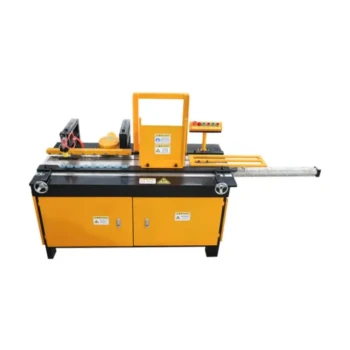
- Beehive Handle and Frame Rest Cutting Machine: Your Specialized Hive Machine
- HONESTBEE Professional Mini J-Hook Hive Tool for Beekeeping
- Ergonomic Plastic Frame Spacer Tool for Rapid Hive Management Beekeeping
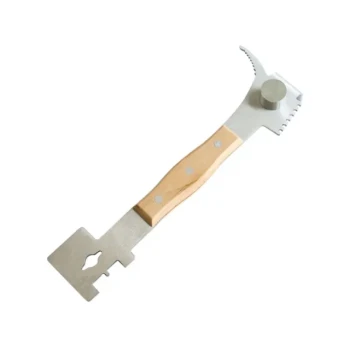
- Multi-Function Hive Tool with Integrated Hammer for Beekeeping
- HONESTBEE Professional Long Handled Hive Tool with Precision Cutting Blade
People Also Ask
- What is the importance of specialized beehive-making machinery? Ensure Precision for Sensor-Based Hive Monitoring
- How do bee hive handles facilitate the evaluation of food stores? Use the Lift Test for Winter Survival
- How do specialized beehive handling machines contribute to efficiency? Streamline Your Mobile Beekeeping Logistics
- How do professional beehive and frame manufacturing machines contribute to commercial apiary management? Boost Efficiency
- What are the standard dimensions for frame rests in a beehive? Essential Guide for Perfect Bee Space