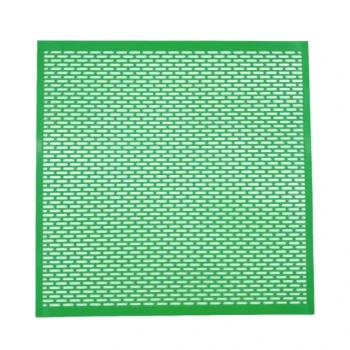
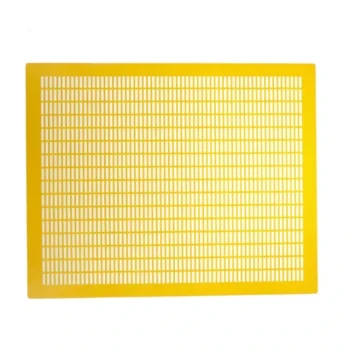
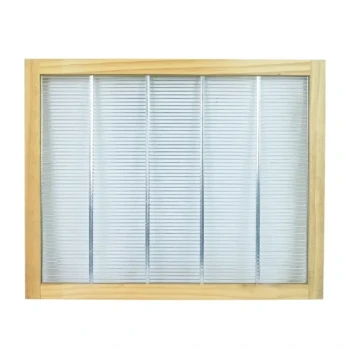
The queen excluder is removed during winter to prevent the fatal isolation of the queen bee from the rest of the colony. As temperatures drop, the colony moves as a cohesive unit to access food and generate heat, and a fixed barrier can physically trap the queen away from this essential cluster.
Core Takeaway Honey bees survive winter by forming a tight cluster that migrates upward through the hive to consume honey stores. An excluder acts as an artificial ceiling for the queen; if the cluster moves above it to feed, the queen is left behind to freeze or starve, resulting in the death of the colony.
The Mechanics of Winter Survival
Natural Vertical Migration
During the active summer months, queens typically occupy the lower, cooler sections of the hive. However, as the season changes, the natural instinct is to migrate toward the upper, warmer sections where honey stores are concentrated.
Removing the excluder respects this biological necessity. It clears the path for the queen to follow the natural heat rising within the hive structure.
The Clustering Phenomenon
Bees do not hibernate; they survive by clustering together to generate thermal energy. This ball of bees slowly moves upward across the frames, consuming honey to fuel their heat generation.
The queen is the heart of this cluster. For the colony to survive, she must remain in the center of the warmth, moving freely with the worker bees as they travel to new food sources within the hive.
The Risks of Leaving the Excluder in Place
Physical Separation from Heat
Worker bees are small enough to pass through the excluder's mesh to follow the migrating cluster. The queen, being larger, cannot pass through.
If the worker bees move up into honey supers to eat and stay warm, and the excluder remains in place, the queen effectively hits a ceiling. She becomes stranded below the cluster in the cold air.
Starvation and Freezing
Once separated from the cluster, the queen loses access to both warmth and food. Even if honey is available just a few inches above her, she cannot reach it.
This leads to the queen freezing to death or starving. Without a queen to lay eggs in the spring, the entire colony will eventually collapse.
Understanding Regional Variations
The Impact of Climate
It is important to note that the necessity of removing the excluder is heavily dependent on your local climate. In regions with long, bitterly cold winters—such as much of the Northern Hemisphere—removal is critical because the bees must cluster tightly and move significantly to survive.
Mild Climate Exceptions
In milder climates, such as parts of Australia, the winter may not be severe enough to force tight clustering. In these areas, brood rearing often continues at low levels year-round, and the colony may not migrate vertically as dramatically. Consequently, beekeepers in these regions may not need to remove the excluder.
Proper Storage of the Excluder
Hygiene and Maintenance
Removing the excluder also provides an opportunity for equipment maintenance. Winter storage prevents environmental damage and allows you to clean the equipment.
Preventing Damage
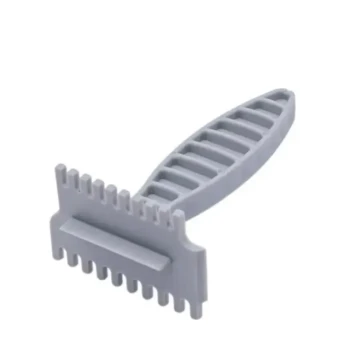
Excluders should be scraped clean of propolis and wax, then stored in a dry, pest-free environment. This protects the mesh from damage and prevents the buildup of mold or mildew, ensuring the equipment is ready for the spring flow.
Making the Right Choice for Your Goal
- If your primary focus is winter survival in a cold climate: Remove the excluder immediately to ensure the queen can migrate upward with the heat and food source.
- If your primary focus is beekeeping in a mild or subtropical climate: Monitor your colony's behavior; if brood rearing continues and clustering is minimal, removal may be optional.
- If your primary focus is equipment longevity: Use the winter months to clean, dry, and store your excluders to prevent corrosion and pest infestation.
By removing the barrier, you prioritize the biology of the bee over the geometry of the hive, ensuring the colony remains united against the cold.
Summary Table:
| Winter Factor | Impact of Queen Excluder | Recommended Action |
|---|---|---|
| Vertical Migration | Acts as a physical barrier, trapping the queen below the cluster. | Remove to allow free movement to upper stores. |
| Heat Conservation | Separates the queen from the thermal cluster, leading to freezing. | Remove to keep the queen in the center of the warmth. |
| Food Access | Prevents the queen from reaching honey stores in upper supers. | Remove to ensure the queen has constant access to fuel. |
| Equipment Care | Leaving it in-hive exposes it to unnecessary moisture/propis. | Store in a dry area after cleaning for longevity. |
Maximize Your Colony Survival with HONESTBEE
At HONESTBEE, we understand that successful overwintering requires both biological knowledge and high-quality equipment. Whether you are a commercial apiary or a regional distributor, we provide the full spectrum of beekeeping essentials—from specialized hive-making and honey-filling machinery to durable excluders, hive hardware, and essential consumables.
Don't let preventable losses impact your bottom line. Partner with HONESTBEE for premium wholesale beekeeping tools and industry-leading expertise designed to help your business and your bees thrive.
Ready to upgrade your apiary’s efficiency? Contact us today to explore our comprehensive catalog!
Related Products
- High Performance Plastic Queen Excluder for Beekeeping and Apiary Management
- Professional Plastic Queen Excluder for Modern Beekeeping
- Lightweight Durable Plastic Queen Excluder Scraper for Beekeeping
- Metal Queen Bee Excluder for Beekeeping
- Premium Wood Framed Metal Wire Queen Bee Excluder
People Also Ask
- What are the characteristics of a plastic queen excluder? Key Benefits for Cost-Effective Beekeeping
- What are the operational and cost advantages of using plastic queen excluders over metal or wire excluders in commercial hive management? Discover how they reduce labor, prevent wing damage, and lower total costs.
- What types of queen excluders are available for beekeepers? Choose the Right Tool for Your Hive
- Why are standardized hive frames and queen excluders essential for maintaining honey purity and quality? Scale Your Purity
- Do plastic queen excluders work? A Cost-Effective Solution for Modern Apiaries