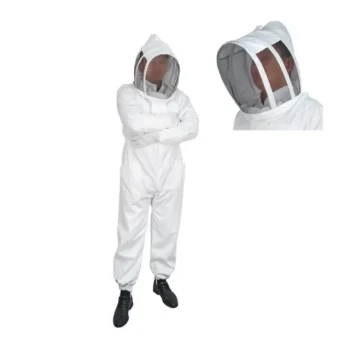
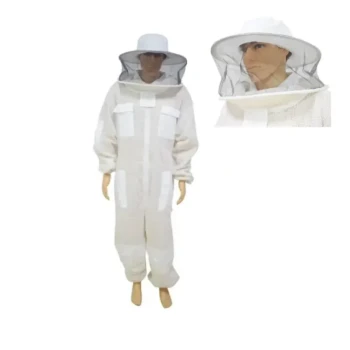
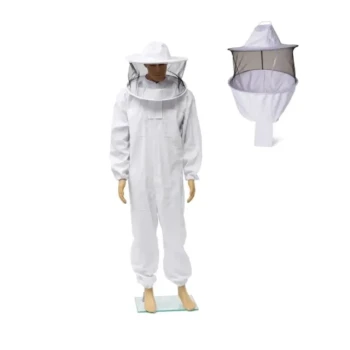
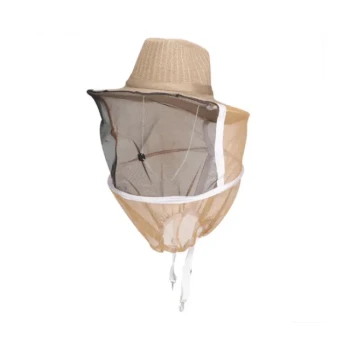
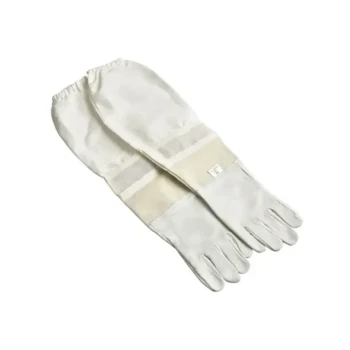
Secondary sealing establishes a zero-exposure physical barrier. When handling Africanized honey bees, relying solely on standard elastic cuffs is insufficient; you must use duct tape to seal the junctions between pant legs and boots, and sleeves and gloves. This eliminates any gaps that these hyper-aggressive bees could exploit to enter the protective suit.
The Core Insight Africanized honey bees possess a unique combination of high crawling ability and proactive aggression. Secondary sealing is not just about avoiding stings; it is a critical protocol to maintain a "zero-exposure" safety standard, ensuring the operator retains full control even when working with highly stressed colonies.
The Behavioral Drivers for Sealing
Countering Extreme Aggressiveness
Africanized honey bees exhibit higher defensiveness and proactive aggression compared to other species. They do not merely defend the hive; they actively target the intruder. This behavior necessitates a defense strategy that assumes the bees will attempt to exploit any weakness in your gear.
Neutralizing the Crawling Instinct
A primary danger lies in the high crawling ability of these bees. Unlike bees that might simply buzz around a veil, Africanized bees will land and actively crawl to find openings. Without secondary sealing, they can easily work their way under pant legs or up sleeves, bypassing the primary protection of the suit.
Operational Integrity and Safety
Creating a Fully Enclosed System
The goal of secondary sealing is to integrate separate pieces of gear into a single, impenetrable unit. By taping the interfaces where gloves meet sleeves and boots meet pants, you create a fully enclosed system. This ensures that the suit, boots, and gloves function as one continuous shield against the colony.
Preventing Loss of Control
The integrity of the seal is directly tied to operational control. If even a few bees breach the interior of the protective clothing, the distraction and pain can lead to an operational loss of control. In a commercial apiary environment, maintaining composure is critical for proper colony management and safety.
Understanding the Trade-offs
Increased Management Complexity
Adopting a zero-exposure standard requires a shift in workflow. The process of taping and sealing adds time to the preparation phase and requires specialized technical management. This is a necessary investment in safety that distinguishes managing Africanized populations from standard beekeeping.
Rigidity of Protocol
There is no room for error or "quick checks" with Africanized colonies. The reliance on a fully sealed suit means that frequent and detailed inspections become more physically demanding operations. You cannot skip the sealing process, regardless of how brief the intended task is.
Making the Right Choice for Your Goal
To manage Africanized honey bees effectively, your protective strategy must be absolute.
- If your primary focus is Personal Safety: Ensure a zero-exposure standard by using duct tape to eliminate every potential gap at the wrist and ankle junctions.
- If your primary focus is Operational Control: Use secondary sealing to prevent the panic and disruption caused by interior breaches, allowing for detailed and uninterrupted colony inspections.
Treat the secondary seal not as an optional accessory, but as the structural foundation of your safety in the field.
Summary Table:
| Feature | Standard Protection | Secondary Sealing (Zero-Exposure) |
|---|---|---|
| Barrier Type | Elastic cuffs & zippers | Duct-taped junctions (boots/gloves) |
| Bee Resistance | Vulnerable to crawling/squeezing | Impenetrable physical barrier |
| Aggression Level | Suitable for European bees | Essential for Africanized bees |
| Operational Risk | High risk of interior breaches | Maximum control & focus |
| Protocol Time | Quick setup | Requires dedicated prep time |
Secure Your Apiary Operations with HONESTBEE
Managing hyper-aggressive Africanized colonies requires more than just basic gear—it demands a professional-grade, zero-exposure strategy. At HONESTBEE, we specialize in supporting commercial apiaries and distributors with high-performance beekeeping tools, specialized machinery, and protective equipment designed for the most demanding environments.
Whether you need robust protective suits, honey-filling machinery, or bulk industry consumables, our comprehensive wholesale offering ensures your team stays safe and your operations remain efficient.
Ready to upgrade your professional beekeeping arsenal?
Contact HONESTBEE today to discuss your wholesale needs!
References
- Michael K. O’Malley, Catherine M. Zettel Nalen. Swarm Trapping for Pest Control Operators. DOI: 10.32473/edis-in785-2009
This article is also based on technical information from HonestBee Knowledge Base .
Related Products
- Premium Cotton Beekeeper Suit with Reinforced Fencing Veil
- Professional Beekeeping Suit for Kids and Girls Childrens Bee Keeper Suit
- White Cotton Beekeeping Jacket and Veil for Bee Keepers
- Beekeeping Jacket with Hood and Veil for Beekeepers
- Premium Three Layer Ventilated Bee Suit with Round Veil
People Also Ask
- What material and design specifications are recommended for a high-quality beekeeper suit? Top Gear Selection Guide
- How to Pre-treat Propolis Stains on Beekeeping Suits? Master Advanced Fabric Care and Soil Removal
- What features should be considered for sting protection in a beekeeping suit? Ensure Total Safety and Comfort
- What are the differences between full suits and jackets with veils in beekeeping? Choose Your Best Protection
- What features should be looked for in a beekeeping suit for maximum comfort? Prioritize Ventilation and Fit